2025 Top Trends in Warehouse Operations: Boost Efficiency and Reduce Costs
In the ever-evolving landscape of Warehouse Operations, the year 2025 is set to witness transformative trends that promise to enhance efficiency and significantly reduce operational costs. According to a recent report by Logistics Management, warehouses that adopt advanced automation technologies can improve their productivity by over 30%, showcasing the industry’s shift towards innovation. The need for streamlined processes and heightened adaptability is underscored by the growing complexity of supply chains, necessitating that organizations rethink their operational strategies.
Industry experts are also emphasizing the importance of data-driven decision-making in Warehouse Operations. “In the next few years, leveraging big data will be a game changer for optimizing warehouse performance,” states John Smith, a noted expert in logistics and supply chain management. His insights highlight that warehouses that effectively utilize analytics can expect a 20% decrease in inefficiencies, directly impacting their bottom line.
As stakeholders prepare for the trends ahead, the focus remains on integrating technology and innovative practices that not only optimize warehouse functionalities but also contribute to sustainable practices, fostering an environment where both operational excellence and cost-effectiveness can thrive. Embracing these forthcoming trends will be crucial for any organization poised for success in the competitive realm of Warehouse Operations.

Emerging Technologies Shaping Warehouse Operations in 2025
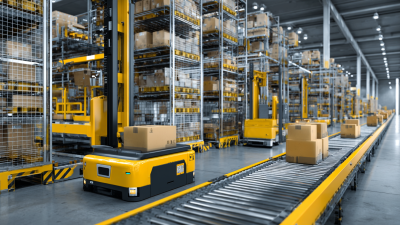
In 2025, warehouse operations are poised for transformation through the integration of emerging technologies that not only enhance efficiency but also significantly reduce operational costs. One of the key innovations leading this charge is the implementation of advanced automation solutions. These technologies, including robotic picking systems and autonomous mobile robots (AMRs), streamline various tasks, from inventory management to order fulfillment. By reducing human error and accelerating product handling times, warehouses can achieve faster turnaround rates while minimizing labor costs.
Another pivotal technology shaping warehouse operations is the use of artificial intelligence and machine learning algorithms. These smart systems analyze vast amounts of data to predict trends, optimize inventory levels, and enhance supply chain logistics. By leveraging predictive analytics, warehouses can proactively manage stock replenishment, reducing instances of overstock or stockouts, which are common pain points in inventory management. Coupled with the growing adoption of IoT devices that provide real-time tracking and monitoring, companies can achieve unprecedented visibility into their operations, leading to better decision-making and resource allocation. As these technologies evolve, the warehouse landscape will not only become more efficient but also more responsive to the dynamic needs of the market.
Automation Innovations to Enhance Productivity in Warehousing
The landscape of warehouse operations is rapidly evolving, driven by a wave of automation innovations designed to enhance productivity. According to a report by McKinsey & Company, the warehouse automation market is expected to reach $30 billion by 2025, reflecting a compound annual growth rate (CAGR) of 14%. This surge is fueled by advancements in robotics, artificial intelligence (AI), and Internet of Things (IoT) technologies, which collectively improve inventory management, reduce operational costs, and optimize supply chain efficiency.
One significant innovation is the implementation of automated guided vehicles (AGVs), which streamline material handling processes. A study by the Loyola University of Chicago indicated that companies utilizing AGVs can see a 30% increase in throughput and a 50% reduction in labor costs associated with repetitive tasks. Additionally, AI-powered analytics tools enable warehouses to predict demand fluctuations and adjust resources accordingly, leading to a projected efficiency gain of 25% in order fulfillment times as identified in a report from Gartner. These developments are not just transforming traditional warehousing but also setting new benchmarks for productivity and operational cost savings.
2025 Top Trends in Warehouse Operations: Boost Efficiency and Reduce Costs - Automation Innovations to Enhance Productivity in Warehousing
| Trend |
Impact on Efficiency |
Cost Reduction Potential |
Automation Technology |
Implementation Timeframe |
| Robotic Process Automation (RPA) |
High |
20% Savings |
Software Robots |
6-12 months |
| Automated Guided Vehicles (AGVs) |
Medium |
15% Savings |
Self-Driving Carts |
12-24 months |
| Warehouse Management Systems (WMS) |
High |
10% Savings |
Software Solutions |
3-6 months |
| Internet of Things (IoT) Integration |
High |
25% Savings |
Smart Sensors |
12-18 months |
| Artificial Intelligence (AI) for Inventory Management |
Medium |
30% Savings |
Predictive Algorithms |
6-12 months |
Sustainable Practices for Cost Reduction in Warehouse Management
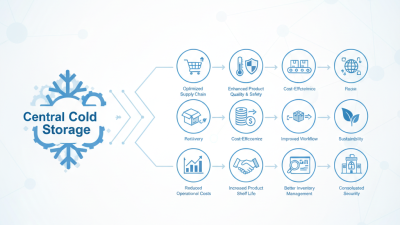
Sustainable practices are increasingly becoming a cornerstone of effective warehouse management, enabling companies to enhance efficiency while significantly cutting costs. One primary strategy involves the implementation of energy-efficient technologies, such as LED lighting and advanced HVAC systems. By reducing energy consumption, warehouses not only lower utility bills but also contribute to a smaller carbon footprint. Additionally, integrating renewable energy sources, like solar panels, can lead to long-term savings and increased resilience against fluctuating energy prices.
Another key area is waste reduction through smart inventory management. By adopting just-in-time inventory systems, warehouses can minimize excess stock and reduce storage costs, while also decreasing waste from expired or obsolete products. Moreover, implementing a recycling program for packaging materials and other waste can lead to substantial cost savings and improve a company’s sustainability profile. Emphasizing employee training on eco-friendly practices can further enhance overall operational efficiency, ensuring that all staff members are committed to maintaining sustainable initiatives within the warehouse environment.
2025 Warehouse Operations Trends: Efficiency and Sustainability
Data-Driven Decision Making and Analytics for Efficiency Gains
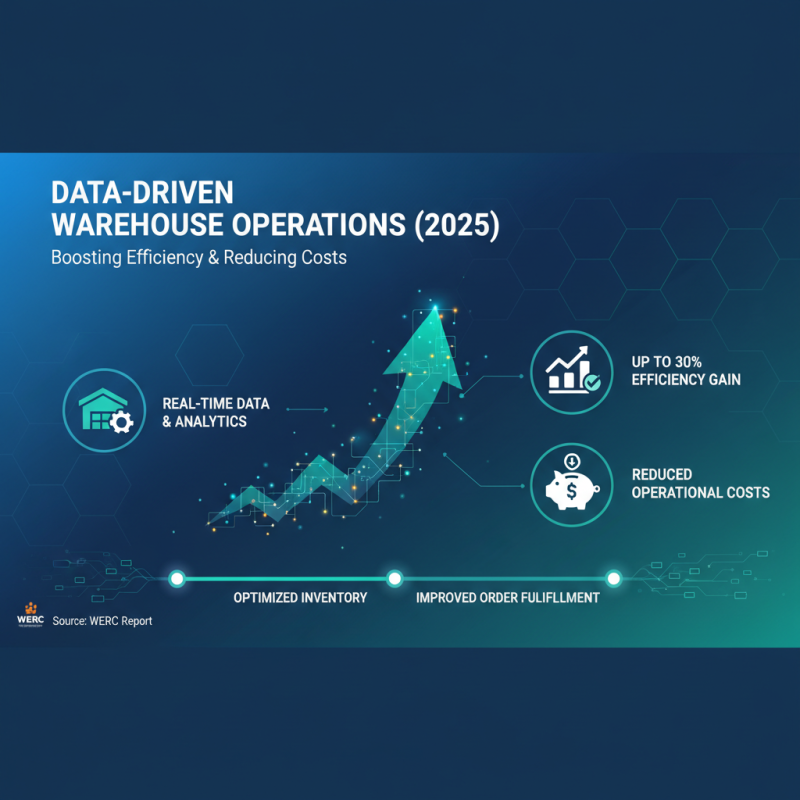
In 2025, the emphasis on data-driven decision-making in warehouse operations is set to reshape the industry, enabling businesses to significantly boost efficiency and reduce operational costs. According to a report by the Warehousing Education and Research Council (WERC), companies leveraging analytics can achieve up to a 30% increase in operational efficiency. This enhancement can be attributed to the ability to make informed decisions based on real-time data, optimizing inventory levels, and improving order fulfillment processes.
The growing trend of integrating artificial intelligence and machine learning into warehouse management systems allows for better predictive analytics. A study by McKinsey indicates that organizations utilizing such technologies can reduce inventory holding costs by as much as 20%. These advancements help warehouses anticipate demand fluctuations and streamline their supply chain operations, ultimately leading to faster delivery times and improved customer satisfaction. Furthermore, managing data from various sources allows organizations to identify bottlenecks, making operations more agile and responsive to changing market conditions.
The Role of Workforce Training in Adapting to New Trends in Warehousing
As warehouse operations evolve to incorporate advanced technologies and streamlined processes, workforce training emerges as a critical factor in successfully adapting to these trends.
One of the main challenges that warehouses face is ensuring that employees are equipped with the necessary skills to operate new machinery and software systems effectively.
Investing in comprehensive training programs not only enhances employee competency but also significantly boosts overall productivity. By focusing on the latest technological advancements, such as automation and data analytics, companies can create a workforce that is not only skilled but also adaptable to future changes.
Furthermore, fostering a culture of continuous learning within warehouse operations allows organizations to stay ahead of industry trends. Implementing mentorship programs and hands-on training workshops empowers employees to engage with new processes and equipment confidently. Such initiatives not only contribute to employee satisfaction but also minimize the likelihood of errors and delays in operations.
As warehouses strive to boost efficiency and reduce costs, prioritizing workforce training will be instrumental in supporting these goals and ensuring a competitive edge in the industry.

 +8618862309186
 CONTACT NUMBER
 CONTACT NUMBER
 CONTACT NUMBER