Top Benefits of Using Whs Warehouse for Efficient Logistics Solutions?
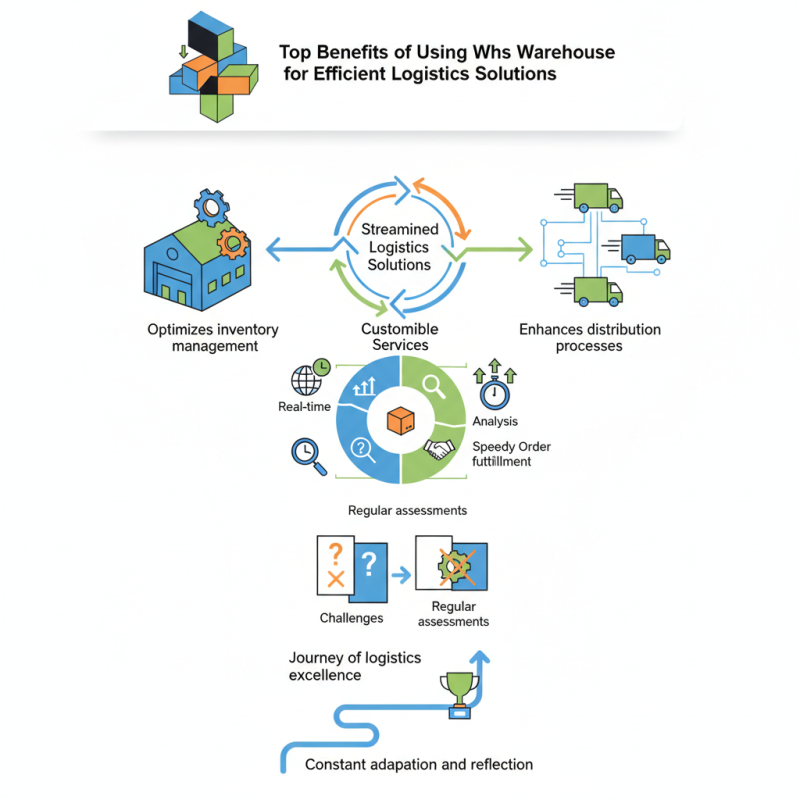
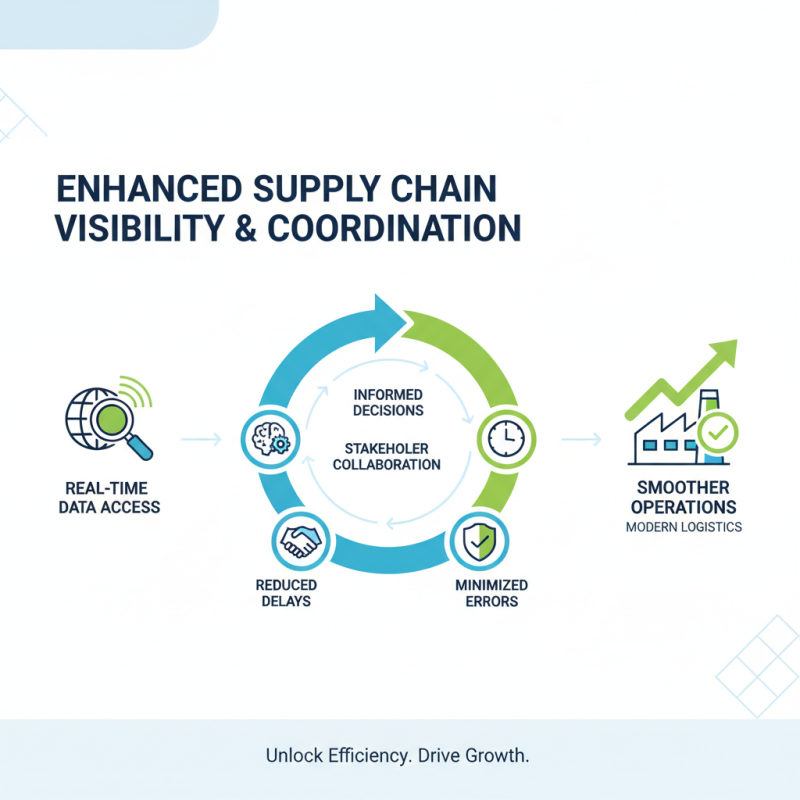
In today’s fast-paced business environment, logistics efficiency is crucial. Many companies turn to Whs Warehouse for streamlined logistics solutions. This advanced warehouse system optimizes inventory management and enhances distribution processes.
Whs Warehouse offers customizable services tailored to specific needs. Companies benefit from real-time tracking and analysis. This helps identify areas for improvement. Speedy order fulfillment becomes a reality, supporting customer satisfaction. However, businesses must continuously evaluate their logistics practices.
Despite the advantages, challenges may arise. Miscommunication can lead to delays. Regular assessments of operations can help address these issues. By using Whs Warehouse, companies engage in a journey of logistics excellence. The pursuit of efficiency is ongoing, requiring constant adaptation and reflection.
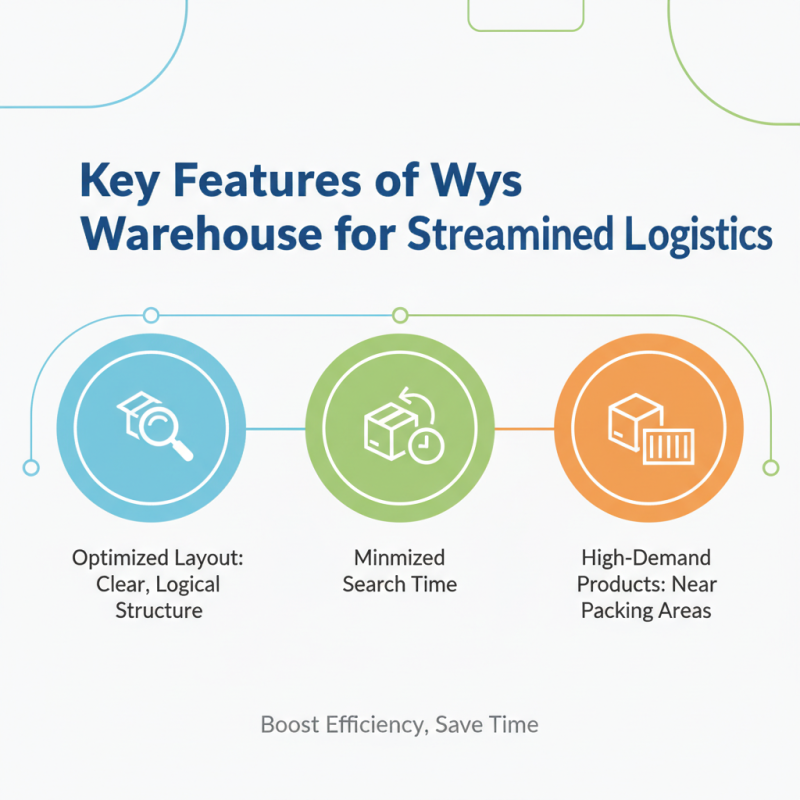
Key Features of Whs Warehouse for Streamlined Logistics Management
When managing logistics, effective tools are essential. A well-designed warehouse can significantly enhance your operations. One of the key features of an efficient warehouse is its layout. A clear and logical structure minimizes the time workers spend looking for items. Ensuring that high-demand products are located near packing areas can save valuable minutes.
Another important feature is inventory management. Automated systems help track stock levels in real-time. This prevents overstocking or stockouts, which can disrupt the supply chain. Additionally, it provides accurate data for better decision-making. A streamlined process can reduce errors and enhance overall productivity.
Tips for maximizing efficiency: Regularly review your stock levels to adjust orders. Use clear labeling for easy identification of items. Implement training sessions for staff on new technologies and processes. Small improvements can lead to significant gains, but it's easy to overlook these details. Reflecting on past issues can help identify where to focus improvement efforts. Consider conducting a periodic audit of your operations to identify bottlenecks or inefficiencies.
Cost Savings Through Efficient Warehouse Solutions
Efficient warehouse solutions bring significant cost savings. One key benefit is reduced operational expenses. By optimizing warehouse layouts, businesses can increase storage capacity. This leads to lower rental costs and better inventory management.
Streamlining logistics processes also saves money. With effective inventory tracking, businesses minimize excess stock. This practice can reduce storage fees. Moreover, timely order fulfillment lowers shipping costs. Inventory discrepancies become less frequent, avoiding costly errors.
Tips for better warehouse efficiency:
1. Regularly assess your storage methods and adapt as needed.
2. Invest in technology for inventory tracking. This can prevent excess stock accumulation.
3. Encourage staff to provide feedback on processes. They can identify inefficiencies you might overlook.
An open environment often encourages improvement.
Top Benefits of Using Whs Warehouse for Efficient Logistics Solutions
| Benefit |
Description |
Cost Savings (%) |
Efficiency Improvement (%) |
| Reduced Operational Costs |
Streamlined processes and automation lead to lower labor costs. |
15% |
20% |
| Improved Inventory Management |
Enhanced tracking and better stock levels reduce excess inventory. |
10% |
25% |
| Faster Order Fulfillment |
Efficient processes ensure that orders are processed and shipped quickly. |
12% |
30% |
| Enhanced Customer Satisfaction |
Reliable delivery times and inventory availability improve customer loyalty. |
8% |
18% |
| Increased Flexibility |
Adaptability to changing market conditions helps reduce costs. |
5% |
15% |
Improved Inventory Management and Tracking Techniques
Efficient inventory management is crucial for any logistics operation. Enhanced tracking techniques can greatly improve accuracy. Businesses are now adopting advanced technologies to optimize their inventory processes. Real-time tracking methods allow companies to monitor stock levels closely. This leads to timely reordering and prevents overstock.
Utilizing barcode systems and RFID tags has shown benefits. These tools can reduce human error significantly. However, challenges remain in integrating these systems with existing software. Even the best technology cannot guarantee flawless management. Regular audits and updates are necessary to maintain efficiency.
Proper inventory management also involves training staff. Employees need to understand the systems in place. It is not enough to just implement new tools; they must learn how to use them effectively. Continuous education can help mitigate common pitfalls. Implementing feedback loops can reveal overlooked inefficiencies as well.
Top Benefits of Using WHS Warehouse for Efficient Logistics Solutions
Scalability and Flexibility in Logistics Operations
Scalability and flexibility are essential in modern logistics operations. Businesses today need solutions that can adapt to changing demands. According to a recent report from Logistics Management, 78% of companies cite scalability as a top requirement for their logistics providers. This demand for flexibility allows companies to respond quickly to market changes.
Warehouse solutions that offer scalable operations help businesses manage seasonal fluctuations. For example, during peak seasons, a logistics provider can quickly increase capacity. In contrast, during slower months, companies can reduce storage space without incurring significant costs. Research indicates that firms embracing flexible warehousing reduce costs by up to 25% while improving service quality.
However, scalability isn’t always straightforward. Logistic operations may require complex integration with existing systems. This poses challenges that can lead to inefficiencies if not handled correctly. Companies often struggle with aligning their technology stack to support scalability. The ideal solution needs to balance flexibility with stable processes to avoid disruptions in service quality. Such reflections are vital for crafting efficient logistics strategies that truly meet the demands of today’s dynamic market environment.

 +8618862309186
 CONTACT NUMBER
 CONTACT NUMBER
 CONTACT NUMBER