2026 Best Practices for Optimizing Warehouse Storage Process
In today's fast-paced logistics world, optimizing the "Warehouse Storage Process" is crucial for success. Expert John Smith, a leading figure in warehouse management, once stated, "An efficient storage process can cut costs and boost productivity." His insight reflects the challenges many warehouses face in maximizing space and efficiency.
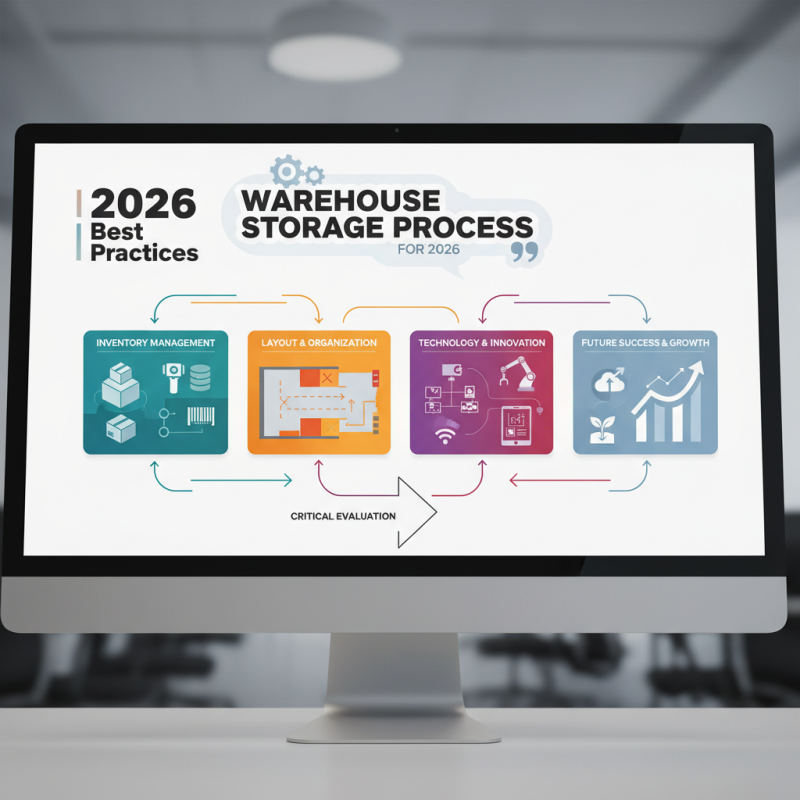
Effective storage strategies require a deep understanding of inventory management. Many warehouses struggle with layout and organization. Poor design can lead to wasted time and resources. Yet, there is always room for improvement. Implementing best practices can transform a warehouse's operations.
Moreover, technology plays a vital role in enhancing storage processes. Automated systems and real-time inventory tracking can streamline operations. However, not every warehouse embraces these innovations. This reluctance can hinder progress. A critical evaluation of existing systems is essential for growth. Exploring ways to optimize the Warehouse Storage Process is not just beneficial; it’s necessary for future success.
Understanding Warehouse Storage Optimization Techniques
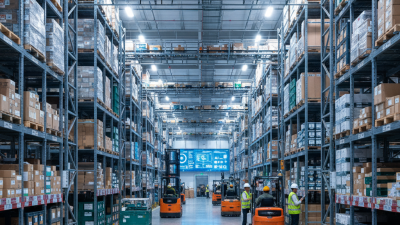
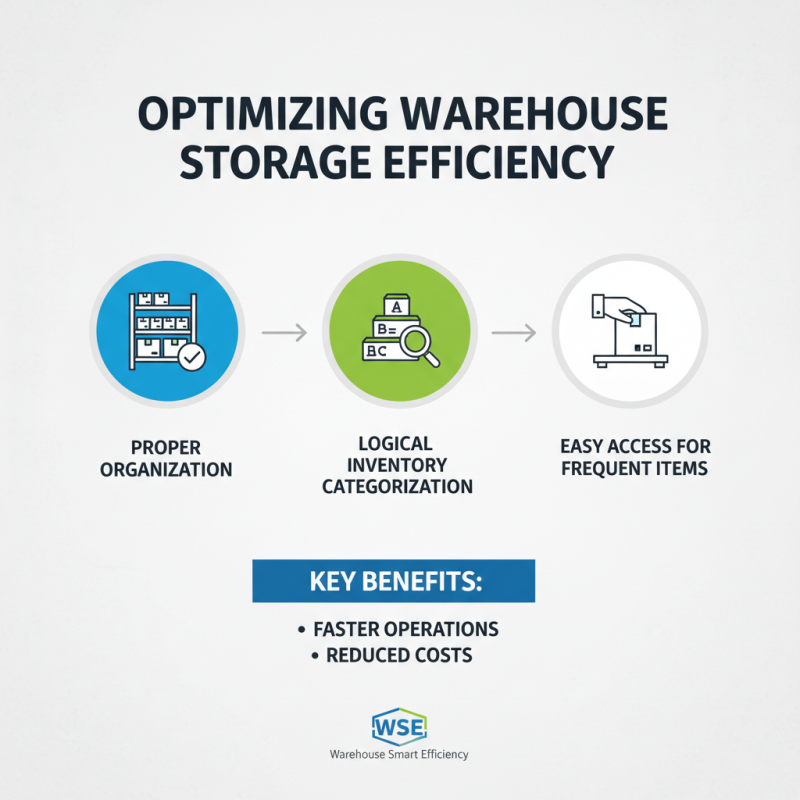
Warehouse storage optimization is crucial for enhancing efficiency and reducing costs. A report from the Warehousing Education and Research Council shows that effective storage can boost operational efficiency by up to 30%. This means that better organization and layout are not just beneficial; they're necessary.
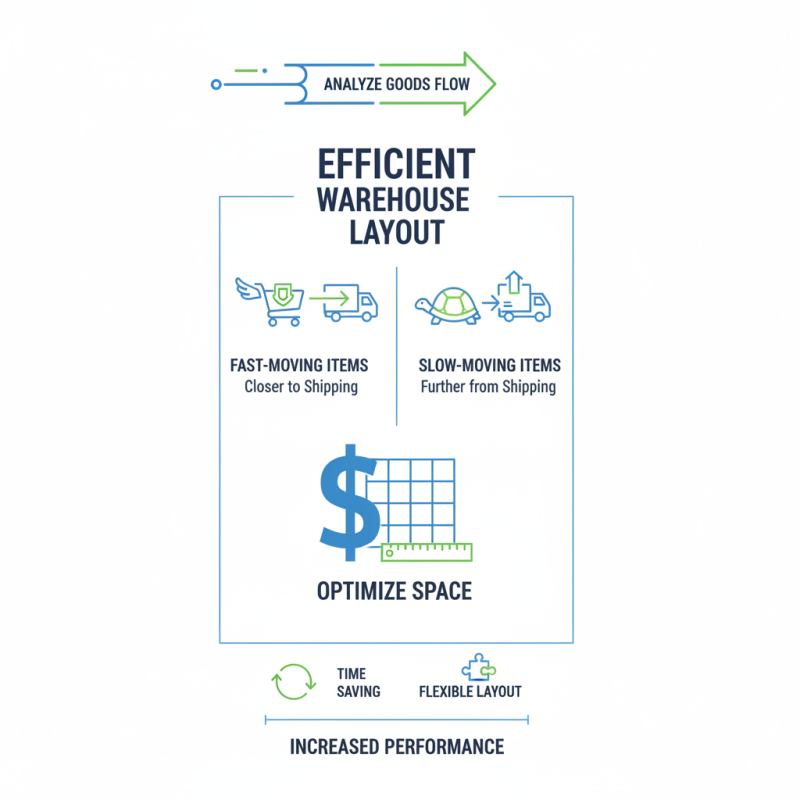
Implementing techniques like vertical storage can save space. Many warehouses neglect this aspect. Utilizing vertical space can lead to a 40% increase in storage capacity. In contrast, traditional floor layouts often fall short. Rethinking aisle width and shelving can optimize the flow of goods. However, a common misstep is overcrowding these aisles, leading to delays and potential safety hazards.
Data analysis remains critical. According to a study by Gartner, 61% of companies measure KPIs to track storage efficiency. Yet, surprisingly, many still overlook data insights. They fail to adapt based on these metrics. This leads to disorganized stock and missed opportunities for improvement. Addressing these issues requires constant evaluation. Each warehouse must reflect on its processes, aiming for a blend of efficiency and safety.
Implementing Automated Solutions for Storage Management
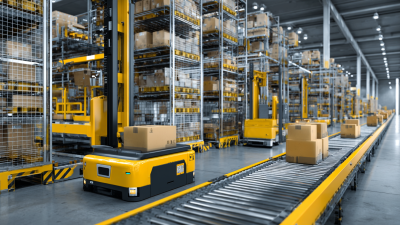
Automated solutions are transforming warehouse storage management. According to recent industry reports, warehouses that adopt automation can increase storage efficiency by up to 35%. This shift not only reduces space wastage but also speeds up retrieval times. In a world where time is money, faster operations are crucial for business growth.
Implementing automated systems reduces human error. A staggering 30% of inventory inaccuracies stem from manual processes. Automated systems help ensure SKU accuracy and track inventory in real-time. This creates a more reliable storage environment. However, there is a challenge. Many facilities still struggle with system integration. The transition to automation can be complex.
Automation isn't a one-size-fits-all solution. Each warehouse has unique needs. Some may face budget constraints, while others might lack the necessary infrastructure. Continuous assessment is key. Regularly re-evaluating automation processes can reveal areas for improvement. Small adjustments can lead to meaningful changes. Awareness of these limitations is the first step towards optimization.
2026 Best Practices for Optimizing Warehouse Storage Process - Implementing Automated Solutions for Storage Management
| Practice |
Description |
Expected Benefit |
Implementation Time (months) |
| Automated Inventory Tracking |
Utilizing RFID and barcode scanning technologies for real-time inventory management. |
Improved accuracy and reduced stock discrepancies. |
4 |
| Smart Storage Solutions |
Implementing vertical storage systems that optimize space usage. |
Maximized storage capacity and reduced footprint. |
6 |
| Automated Picking Systems |
Using robotics and automated guided vehicles to assist with picking processes. |
Increased efficiency and reduced labor costs. |
8 |
| Data-Driven Decision Making |
Employing analytics tools to assess storage performance and make informed decisions. |
Enhanced operational efficiency and strategic planning. |
3 |
| Cross-Docking Techniques |
Reducing storage time by directly transferring products from inbound to outbound transportation. |
Decreased lead times and improved delivery performance. |
5 |
Continuous Improvement: Measuring Storage Process Performance
Measuring storage process performance is crucial for operational excellence. Many warehouses overlook this aspect. They might rely on gut feelings rather than data. Data-driven decisions can lead to significant improvements.
Continuous assessment is key. This involves tracking metrics like space utilization and order fulfillment speed. For example, if storage areas are overcrowded, it’s time to rethink layout. Sometimes, this leads to chaotic environments. While aiming for efficiency, it’s easy to ignore inconsistencies in workflow.
Utilizing feedback from staff can uncover hidden issues. Some employees might feel uneasy about using software tools. They may resist change, impacting performance. Regular training can empower them. Ultimately, a culture of continuous improvement should be encouraged. Performance metrics should evolve alongside warehouse needs, fostering a more adaptable storage process.

 +8618862309186
 CONTACT NUMBER
 CONTACT NUMBER
 CONTACT NUMBER