How to Choose the Best Warehouse in Spain for Your Logistics Needs
Choosing the right warehouse in Spain for your logistics needs is a critical decision that can greatly influence the efficiency and success of your supply chain operations. According to logistics expert Javier Martinez, "The optimal Spain Warehouse should not only meet your storage requirements but also facilitate seamless distribution to enhance overall operational effectiveness." This insight highlights the importance of selecting a facility that aligns with your business objectives and logistical demands.
In the realm of logistics, a well-chosen warehouse serves as the backbone of efficient supply chain management. Factors such as location, accessibility, and technological integration play a pivotal role in determining the ideal Spain Warehouse. As companies navigate the complexities of distribution networks, understanding these elements can lead to improved logistics performance and customer satisfaction.
Ultimately, the right warehouse selection in Spain can streamline operations, reduce costs, and provide a competitive edge in today's dynamic marketplace. By considering essential aspects and expert advice, businesses can make informed decisions that will support their logistics needs and drive growth in the European market.

Factors to Consider When Choosing a Warehouse Location in Spain
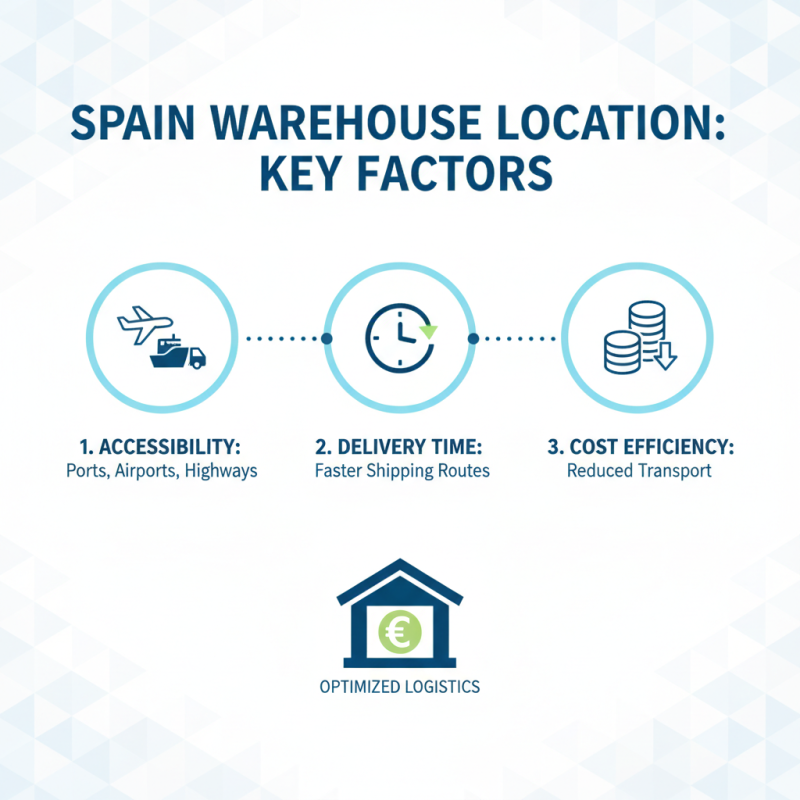
When choosing a warehouse location in Spain, several critical factors must be considered to optimize logistics efficiency. First and foremost, accessibility is crucial. The proximity to major transportation hubs, such as ports, airports, and highways, can significantly affect delivery times and costs. Warehouses located near these infrastructures allow for faster shipping routes, which is essential for businesses that thrive on timely delivery.
Another important consideration is the local labor market. A warehouse's operational success often hinges on its ability to attract and retain skilled labor. Areas with a higher population density or a workforce trained in logistics and supply chain management will enhance operational efficiency. Additionally, evaluating local wage levels and labor regulations can help in budgeting operational costs effectively. Lastly, it's essential to assess the reliability of local services, including utilities and maintenance support, which can impact daily operations within the warehouse.
Types of Warehouses Available in Spain for Different Logistics Needs
When selecting a warehouse in Spain tailored to your logistics needs, understanding the types of warehouses available is crucial. There are primarily four categories of warehouses: public warehouses, private warehouses, fulfillment centers, and distribution centers.
Public warehouses are ideal for businesses with fluctuating demands as they offer flexibility in terms of space and lease duration, making them a cost-effective solution for seasonal storage needs. According to a report by the Spanish Logistics and Transportation Association, around 25% of Spanish companies utilize public warehousing to enhance their supply chain efficiency.
Private warehouses, on the other hand, are optimal for companies with steady inventory levels and predictable logistics demands. They provide businesses with greater control over operations, although they require a more significant investment.
Fulfillment centers cater specifically to e-commerce operations, focusing on processing and shipping orders rapidly. These centers have become increasingly vital, with e-commerce logistics experiencing a growth of over 30% in the past year alone.
Tips: When choosing a warehouse, consider the location proximity to major transport hubs which can save on shipping costs and time. Additionally, analyze the technology and software integrated within the warehouse systems to ensure they align with your logistics management processes. Finally, assess the scalability of the warehouse to accommodate future growth or seasonal fluctuations in demand, making sure it aligns with your strategic logistics plans.
Key Amenities and Services to Look for in a Warehouse
When selecting the best warehouse in Spain for your logistics needs, there are several key amenities and services to prioritize. Firstly, location plays a crucial role; a warehouse situated near major transportation hubs can significantly enhance efficiency. Look for facilities that provide easy access to highways, ports, and airports, ensuring that your logistics operations run smoothly and your goods reach their destinations on time.
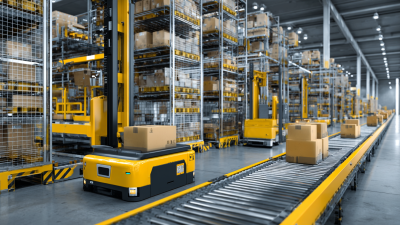
Additionally, consider the technology and infrastructure available at the warehouse. Modern warehouses should have state-of-the-art inventory management systems and automation tools that can streamline operations and reduce human error. Climate control is another vital amenity, especially for businesses that handle perishable goods or sensitive materials. Ensure that the warehouse has the necessary facilities to maintain the right environment for your products.
**Tips:** Always request a tour of the warehouse before making a decision. This allows you to assess the spaces and inquire about their capabilities directly. Additionally, investigate the warehouse's security measures. Adequate surveillance systems and strict access control are essential to protect your inventory and maintain peace of mind. Lastly, inquire about the flexibility of contract terms; a warehouse that offers scalable solutions can adapt to your changing business needs.
Key Amenities and Services in Spanish Warehouses
Evaluating Costs and Budgeting for Warehouse Space in Spain
When selecting a warehouse in Spain, evaluating costs and budgeting effectively is crucial to ensuring that your logistics operations are both efficient and sustainable. Start by assessing the overall market rates for warehouse space in various regions, as prices can vary significantly depending on location, size, and facilities. Urban areas might present higher rental prices due to demand, while peripheral regions could offer more economical options. Be clear about your space requirements by estimating the amount of storage you need, considering factors such as inventory turnover and seasonal spikes in demand which can affect your space needs throughout the year.
Once you have a rough estimate of the costs associated with the warehouse options, it’s important to factor in additional expenses that may arise. These could include utilities, maintenance fees, and labor costs related to managing the warehouse. Furthermore, consider the lease terms and associated costs; long-term leases might come with incentives but can also lock you into a commitment during periods of fluctuating demand. Creating a comprehensive budget that encompasses all potential overheads will help you make a more informed decision, ensuring that the warehouse you choose aligns with both your financial capabilities and logistical requirements.
How to Choose the Best Warehouse in Spain for Your Logistics Needs
| Warehouse Location |
Monthly Rent (€/m²) |
Size (m²) |
Accessibility |
Storage Type |
Additional Services |
| Madrid |
9.50 |
1,500 |
Excellent |
Humidity Controlled |
Forklift Service, Security |
| Barcelona |
10.00 |
1,000 |
Good |
Standard |
Temperature Monitoring |
| Valencia |
8.00 |
2,000 |
Satisfactory |
Drive-In |
Inventory Management |
| Seville |
7.50 |
750 |
Average |
Pallet Racking |
24/7 Access |
| Bilbao |
8.50 |
1,200 |
Good |
Bulk Storage |
Loading Dock |
Legal and Regulatory Considerations for Warehouses in Spain
When considering a warehouse in Spain for your logistics operations, understanding the legal and regulatory framework is crucial. Spain has specific zoning laws that dictate where warehouses can be located, which often vary by region. It’s essential to familiarize yourself with local regulations regarding land use, as certain areas may be designated for industrial purposes, while others may have restrictions that could impact warehousing activities. Additionally, obtaining the necessary permits and licenses is a critical step in ensuring compliance with local authorities.
Furthermore, businesses must adhere to various health and safety regulations, particularly those related to fire safety and employee welfare. Compliance with the European Union's standards for logistics and warehouse operations may also be required, depending on the nature of the goods stored. Factors like environmental regulations and waste management practices should not be overlooked, as they can significantly influence operational costs and efficiency. Engaging with local legal experts can provide further insights into navigating these complexities and ensuring that your warehouse operations align with all necessary legal requirements.

 +8618862309186
 CONTACT NUMBER
 CONTACT NUMBER
 CONTACT NUMBER