How to Choose the Right Central Cold Storage for Your Business Needs?
In today's fast-paced food industry, choosing the right Central Cold Storage is crucial. According to Dr. Emily Carter, a leading expert in refrigerated logistics, “The right cold storage can make or break your supply chain.” Her words highlight the importance of this decision.
Many businesses overlook specific needs when selecting a Central Cold Storage. Factors like space, temperature control, and accessibility often get insufficient attention. These oversights can lead to wasted resources and spoiled products. It’s easy to get lost in complex options, making the decision even tougher.
A suitable Central Cold Storage system should align with your business goals. Consider the type of products you handle. Understand your flow of goods and inventory. Reflect on your storage capacity and the technology you need. Choosing wisely can enhance efficiency, but the wrong choice can cause setbacks. It's essential to weigh all aspects thoroughly.

Understanding Your Business Requirements for Cold Storage
When selecting a central cold storage solution, understanding your business requirements is critical. Consider the type of products you need to store. Are they perishable food items, pharmaceuticals, or sensitive chemicals? Each category has distinct temperature and humidity needs. Knowing these specifics allows you to choose a facility designed for your unique products.
Tips: Assess the temperature range your items require. This avoids potential spoilage.
Evaluate the volume of goods you will handle. Smaller operations may not need a vast space. A larger facility can lead to unnecessary costs. Also, think about how often you retrieve products. Frequent access might require a layout that minimizes time and effort.
Tips: Plan for future growth as well. This ensures your storage can adapt.
Lastly, consider location. Proximity to suppliers or customers can affect delivery times and costs. If your cold storage is far from your distribution center, it might hinder efficiency. Identify potential logistical challenges before finalizing a facility.
Tips: Visit potential sites. Ensure they meet your access and efficiency standards.
Evaluating Different Types of Central Cold Storage Solutions
Choosing the right central cold storage solution for your business starts with evaluating available options. There are various types of systems designed for specific needs. For instance, modular cold storage units offer flexibility. They can be expanded or reduced based on changing requirements. This can be a good choice for businesses with fluctuating inventory.
Another option is traditional walk-in freezers. These provide ample space and consistent temperature control. However, they often require significant investment and maintenance. Businesses should weigh the pros and cons of these systems carefully. Operational costs can add up quickly. Additionally, some companies may overlook energy efficiency. This can lead to higher utility bills over time.
Temperature monitoring is crucial, too. Some systems include advanced technology for real-time tracking. This can prevent spoilage and ensure product safety. However, businesses sometimes neglect to train staff on these features. This can lead to underutilization and a waste of investment. Regular assessment of your cooling needs and technology usage will optimize storage efficiency.
Key Features to Consider When Selecting Cold Storage
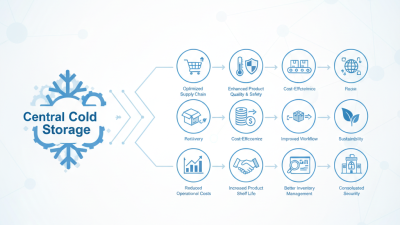
Selecting the right central cold storage is vital for any business handling perishable goods. Key features can significantly impact efficiency and costs. Research reveals that refrigeration accounts for nearly 25% of total energy consumption in the food and beverage sector. This statistic underscores the need to choose energy-efficient systems that drastically reduce operational costs.
Temperature control is paramount. Maintaining a consistent temperature within specific ranges ensures the quality of stored products. According to a report by the International Institute of Refrigeration, improper temperature management can lead to spoilage rates exceeding 20%, resulting in considerable financial loss. Featuring advanced temperature monitoring tools is essential for ensuring product integrity and minimizing waste.
Space utilization is another critical factor. Many cold storage facilities suffer from underutilization of space. Studies show that up to 30% of space is wasted due to inefficient layout designs. Analyzing the available space and optimizing the layout can significantly enhance storage capacity. Additionally, accessibility to inventory is frequently overlooked but important. A storage system should allow for easy access to reduce handling times.
How to Choose the Right Central Cold Storage for Your Business Needs?
| Feature |
Description |
Importance Level |
Considerations |
| Temperature Control |
Ability to maintain specific temperature ranges. |
High |
Assess the range of products to be stored. |
| Energy Efficiency |
Energy consumption and sustainability features. |
Medium |
Look for certifications like ENERGY STAR. |
| Storage Capacity |
Maximum volume and weight of products stored. |
High |
Evaluate current and future needs. |
| Scalability |
Ability to expand or adjust storage as needed. |
Medium |
Consider potential business growth. |
| Automation Features |
Technology integration for inventory management. |
Medium |
Look for systems that support RFID and IoT. |
| Security |
Measures in place to protect inventory. |
High |
Check for surveillance and access controls. |
Assessing Cost-Effectiveness and Operational Efficiency
When selecting a central cold storage system, cost-effectiveness is crucial. Understanding initial investment and ongoing expenses is essential. Analyze your budget carefully. Storage solutions vary widely in price. Some systems may seem cheaper but can lead to higher operational costs later. Hidden fees and maintenance expenses can add up quickly.
Operational efficiency is another vital factor. A well-designed cold storage facility can streamline processes. It should optimize workflow and minimize energy usage. Evaluate energy consumption rates for different systems. High-efficiency units may have higher upfront costs but save money over time. Also, check for layout flexibility. A rigid design may limit your operational capabilities.
Don’t overlook technology integration. Advanced systems can enhance temperature control and monitoring. However, be wary of adding unnecessary complexity. Sometimes simpler is better. Consider your team’s ability to adapt to new technology. Training will consume time and resources. Inadequate training could lead to efficiency losses. Think about these aspects before making a decision.
Future-Proofing Your Cold Storage Investment for Growth
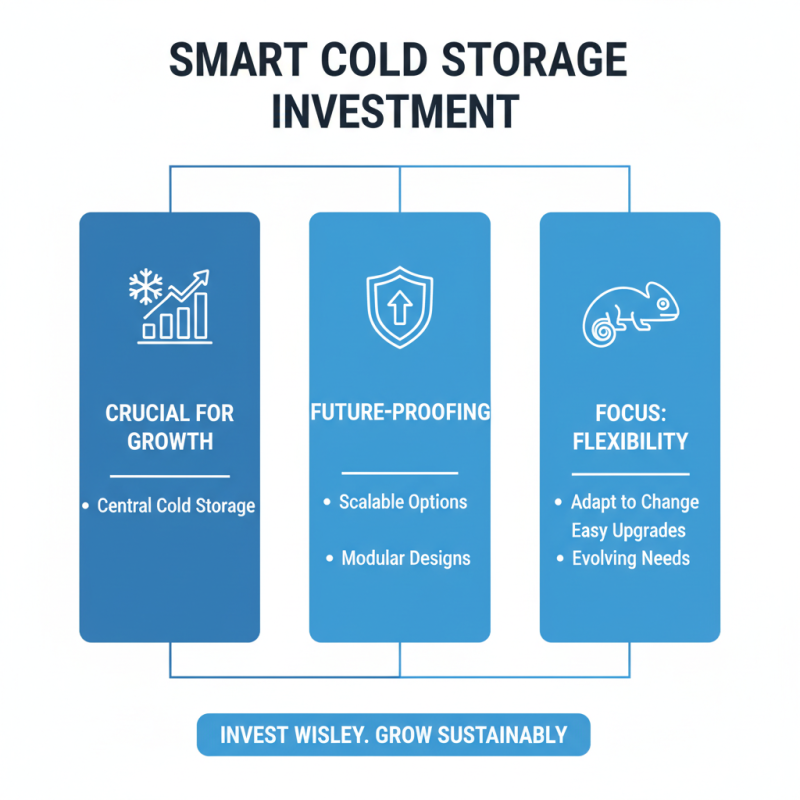
Investing in central cold storage is crucial for your business growth. Future-proofing this investment means considering not just current needs but also possible expansion. Focus on flexibility. Choose a system that can adapt to changing requirements. This could include scalable options or modular designs that allow for easy upgrades.
Tip: Assess your storage capacity regularly. As your business grows, your storage needs will evolve. You might start with a certain volume, but don’t let that limit your foresight. Calculate potential growth. This assessment helps in choosing a scalable solution.
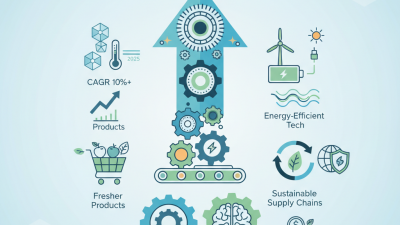
Think about energy efficiency. A cold storage system with good insulation can save money in the long run. However, not all designs achieve maximum efficiency. Some systems may offer high performance initially, but costs can rise unexpectedly over time. Look for systems with sustainable features and energy certifications.
Tip: Consult with experts in cold storage. Their insights can reveal potential pitfalls. They can help in identifying the best practices and technologies for your specific requirements. Remember, an informed choice today will yield benefits tomorrow.

 +8618862309186
 CONTACT NUMBER
 CONTACT NUMBER
 CONTACT NUMBER