Leave Your Message

How to Choose Vertical Carousel Modules for Your Business?

Choosing the right Vertical Carousel Modules can reshape how a business uses valuable floor space. These systems store goods in vertically arranged carriers and bring each item to an ergonomic access point. The result can be shorter walking routes, clearer inventory control, and safer picking conditions. Space matters. Labor matters too.

MHI’s 2024 Annual Industry Report identifies labor challenges, customer expectations, and supply chain disruption as continuing pressures on operations. Deloitte’s 2024 Global Smart Manufacturing Survey also reports that 92% of manufacturers view smart manufacturing as a major competitiveness driver within three years. These findings support automation, but they do not prove that every carousel system will succeed. A module may look efficient in a showroom and perform poorly beside a low ceiling, uneven floor, or frequently changing product mix.

This guide examines the practical decisions behind a reliable purchase. It considers load capacity, carrier dimensions, retrieval speed, fire protection, software integration, maintenance access, and operator safety. It also compares current storage density with future inventory growth. A careful site survey should measure aisle width, ceiling height, SKU turnover, and peak order periods. Small omissions can create expensive delays. The figures in industry reports provide useful direction, yet they remain broad benchmarks rather than promises. Your own picking records, product weights, and staff feedback should carry greater influence. The best choice is not always the fastest module. It is the system that remains dependable during busy shifts, supports accurate work, and can be maintained without disrupting daily operations. That distinction deserves honest attention.
How to Choose Vertical Carousel Modules for Your Business?

Define Your Storage Needs and Business Objectives

How to Choose Vertical Carousel Modules for Your Business?

Define Your Storage Needs and Business Objectives

Before comparing vertical carousel modules, measure the items and workflow they must support. Record each item’s dimensions, weight, turnover rate, and handling requirements. Include awkward cartons and seasonal stock; averages can hide the real space problem. Note how often staff retrieve each item and how far they currently walk. A simple week-long pick log can reveal which products deserve faster access.

Set measurable goals. You might aim to free floor space, reduce picking time, improve inventory accuracy, or make work less physically demanding. MHI’s 2024 Annual Industry Report found that 55% of surveyed supply chain professionals planned to invest more than $1 million in supply chain innovation. That signals strong investment, but it does not mean automation suits every operation. Match any proposed module to your own order volume, ceiling height, load profile, and available labor.

Check the details. Map the busiest picking periods, not just an average day, and estimate future stock growth. Confirm that the proposed storage capacity reflects usable space and actual item dimensions. A spreadsheet can help, though it may miss awkward reaches or replenishment delays. Walk the route with the people who pick and restock goods; their observations often expose assumptions that look fine on paper.

Compare Vertical Carousel Types, Sizes, and Configurations

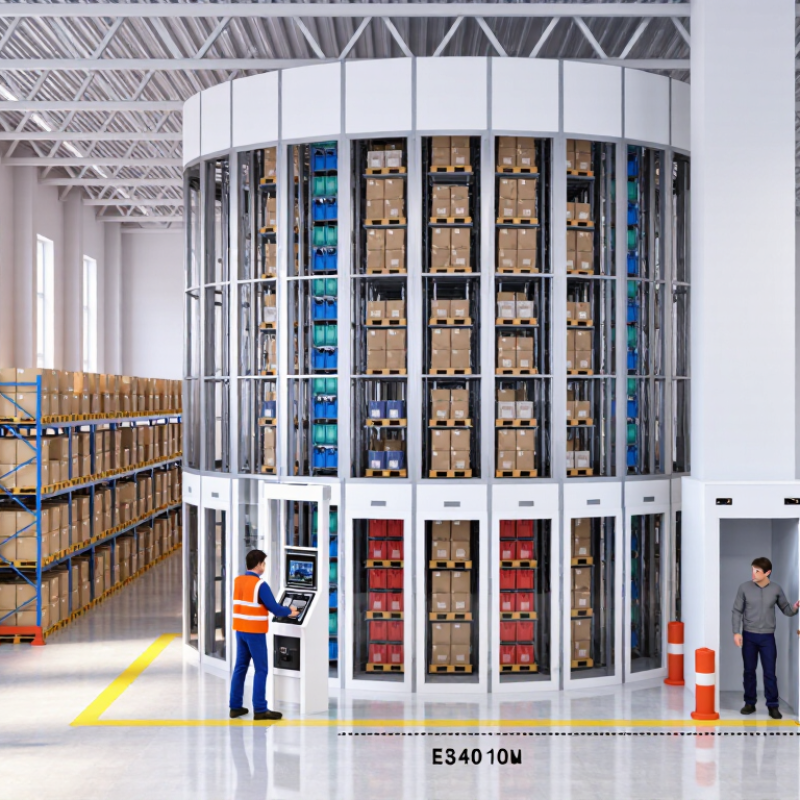
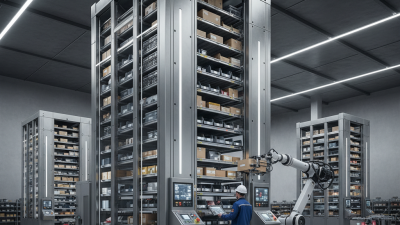
Choosing a vertical carousel starts with the work it must perform. Enclosed models protect items from dust, light, and accidental contact. Open-front models provide faster visual access in busy picking areas. A refrigerated configuration may suit food storage, while a standard unit works better for tools or packaged goods. Compare tray depth, load capacity, rotation speed, and access height before deciding.

Measure twice.

Size affects both storage density and daily comfort. A narrow carousel can fit beside a production line, but shallow trays may limit larger products. Taller units use overhead space efficiently, although workers may need a retrieval platform. Check ceiling height, floor strength, doorway width, and service clearance. Leave room for maintenance, not just installation.

Configuration should match product movement. Fixed tray spacing suits uniform cartons, while adjustable trays support mixed inventory. Single-access layouts save floor space. Dual-access layouts can reduce walking when staff work from opposite sides. Consider barcode scanning, inventory software, emergency stops, and manual recovery options. These features improve control, but they also add cost and training needs.

I once underestimated retrieval noise in a shared workspace. The machine operated correctly, yet nearby staff found it distracting. That experience changed my evaluation process. I now test noise, visibility, loading posture, and peak-hour access before approving a layout. Capacity figures can look impressive on paper. Daily handling tells a different story.

Evaluate Capacity, Speed, Safety, and Accessibility Features

Choosing a vertical carousel module starts with capacity, but capacity alone can mislead. Measure item dimensions, weight, turnover, and future inventory growth. A unit holding 500 bins may still fail if heavy products are stored inefficiently. Keep frequently requested items between waist and shoulder height. This reduces reaching, bending, and picking errors.

Speed should match real workflow, not an impressive brochure figure. Observe average retrieval times during busy periods. Check the software interface, operator access points, and recovery process after a power interruption. Safety requires guarded openings, emergency stops, load monitoring, and documented maintenance routines. Ask for training records and inspection schedules. A qualified professional should verify installation and local workplace requirements. Accessibility is often overlooked. Provide clear floor space, readable controls, adjustable work heights, and suitable access for different users. Small design choices matter.

Tips: Test a live picking cycle with your actual containers. Listen for noise. Watch awkward movements. Ask operators what feels difficult. Their feedback may reveal problems that specifications miss. Also, leave room for maintenance access; this is easy to forget. I once underestimated service clearance, and a minor repair disrupted normal operations longer than expected. Review the layout with staff before approval, then record every decision for future audits.

How to Choose Vertical Carousel Modules for Your Business?

Evaluate capacity, speed, safety, and accessibility before selecting a vertical carousel module.

Scores use a 0–100 decision scale derived from representative industry specifications: storage capacity of approximately 25–80 trays, retrieval times of about 8–20 seconds, commonly available safety functions such as door interlocks and light curtains, and clear access openings generally ranging from 700–900 mm. Higher scores indicate a stronger fit for the stated business priority. Actual performance depends on configuration, load size, building height, controls, and local safety requirements.

Assess Integration, Installation, Maintenance, and Operating Costs

Choosing vertical carousel modules requires more than comparing storage capacity. Integration often determines whether the equipment improves work or creates extra steps. Check compatibility with your warehouse management or enterprise system. Confirm data formats, barcode rules, user permissions, and network requirements. A practical test should follow real orders, not a perfect demonstration. Small gaps matter.

Installation costs include delivery, floor preparation, electrical work, assembly, software configuration, and staff training. Measure ceiling height and aisle clearance before signing an order. Also inspect floor strength and access routes for delivery equipment. Installation may interrupt daily operations for several shifts. Plan temporary storage carefully. I once underestimated this disruption.

Maintenance deserves a clear calculation. Ask how technicians reach motors, sensors, and control panels. Review inspection intervals, spare-part availability, response times, and labor rates. A low purchase price can become expensive when one sensor stops a full picking station. Keep common replacement parts on site. That choice may feel excessive, but waiting can cost more.

Operating costs include electricity, labor, software support, and downtime. Compare energy use during peak periods and idle hours. Measure expected picks per hour against your current process. Include error reduction, ergonomic benefits, and training time in the calculation. Do not trust optimistic throughput figures without site-based testing. Real work is messier. A careful trial with actual operators may reveal noise, awkward handoffs, or slower replenishment than expected. Each finding should influence the final cost model.

Select the Best Vertical Carousel Module for Your Workflow

Choosing a vertical carousel module starts with your workflow, not the machine’s appearance. Watch how employees retrieve items during a normal shift. Measure walking distance, search time, and hand movements. A module should bring the requested tray to a comfortable working height. It should also match your inventory size, weight, and turnover rate. Small parts need different storage logic than cartons or tools. Do not trust capacity figures alone. Ask how much usable space remains after dividers, bins, and safety clearance.

Review daily order patterns before selecting the drive and control system. If operators handle many small orders, location-based controls and clear displays can reduce search errors. If products are heavy, check lifting limits, tray construction, and loading ergonomics. Measure aisle width and ceiling height carefully. One overlooked beam can delay installation. Include software compatibility, user permissions, maintenance access, and emergency procedures in the evaluation. These details often decide whether the module improves work or simply moves storage upward.

Request a realistic demonstration with your own item dimensions. Watch an operator retrieve ten mixed products, not one ideal sample. Record retrieval time and observe awkward reaches. The fastest cycle may still create fatigue. Consider future changes, too. A fixed layout can become restrictive when inventory shifts. Modular dividers offer flexibility, but they may reduce tray capacity. I have seen teams choose maximum storage and regret slower picking. A better decision balances space, safety, accuracy, and service support. Leave room for human judgment. Data helps, but workflow reality should have the final say.