Central Cold Storage Tips for Efficient Global Sourcing
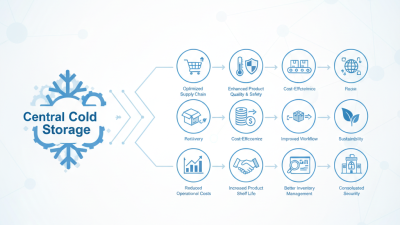
Global sourcing has become a necessity in today's interconnected market. However, managing perishable goods can be challenging. This is where the concept of Central Cold Storage plays a crucial role. Efficient central cold storage systems help preserve the quality and safety of products, ensuring that businesses meet consumer demands.
Investing in a well-designed central cold storage facility can enhance product longevity. It minimizes waste and may reduce costs related to spoilage. For companies sourcing globally, this offers a competitive edge. Yet, it is not without its challenges. The initial investment can be high, and maintenance requires skilled personnel. Businesses must weigh these factors carefully.
While central cold storage provides clear advantages, it is not a one-size-fits-all solution. Each company must consider its specific needs and the types of goods being stored. Flexibility is key. Therefore, evaluating capacity, technology, and logistics is essential for optimal results in global sourcing. Adapting to changing needs can foster growth, but businesses must remain vigilant about potential pitfalls.

Understanding the Role of Central Cold Storage in Global Sourcing
Central cold storage plays a crucial role in global sourcing. With the rise of e-commerce and perishable goods trade, maintaining product quality throughout the supply chain is essential. A report by the Global Cold Chain Alliance states that global cold storage capacity has increased by 6.3% annually, showcasing the growing importance of this infrastructure.
Efficient cold storage can significantly reduce spoilage losses. Up to 30% of perishable goods can be lost in transit due to inadequate temperature control. Implementing best practices in central cold storage can mitigate these losses. For example, monitoring temperature fluctuations and ensuring regular maintenance of refrigeration units can improve reliability. Additionally, conducting regular training for staff ensures proper handling of sensitive products.
Tips for effective cold storage include optimizing inventory management systems. Regular audits can help maintain accurate stock levels and minimize waste. Investing in advanced technology, like IoT sensors, provides real-time data on storage conditions, enhancing accountability. By focusing on these areas, businesses can leverage central cold storage to optimize global sourcing significantly.
Best Practices for Maintaining Optimal Conditions in Cold Storage Facilities
Maintaining optimal conditions in cold storage facilities is crucial for effective global sourcing. Temperature control is vital. It should vary according to the products stored. For example, fresh produce requires a temperature range of 32°F to 41°F. Monitoring systems can ensure consistency, but they may fail. Regular audits of temperature data can help catch issues early.
Humidity also plays a key role. Too much moisture can lead to mold, while too little can cause dehydration. An ideal relative humidity is around 85-95% for most perishables. Implementing hygrometers can help track levels. However, they need regular calibration to remain reliable.
Cleaning practices are often overlooked. A clean environment not only prevents contamination but also enhances efficiency. Schedule routine cleanings and train staff on proper sanitation methods. Inconsistent cleaning schedules can lead to pest infestations or cross-contamination. Regular training can help staff understand these risks better and ensure better practice adherence.
Inventory Management Strategies for Efficient Cold Storage Operations
Effective inventory management is crucial in cold storage operations. According to the Global Cold Chain Alliance, a well-managed cold chain can improve product freshness by 20-30%. Accurate inventory tracking minimizes waste and prevents stockouts. Using real-time data helps businesses respond quickly to changes in demand.
Implementing a First-In-First-Out (FIFO) system can reduce spoilage. It ensures older stock is used before fresher stock. However, companies must train staff effectively to follow this method. Poor training can lead to mistakes, resulting in losses. Moreover, frequent audits can reveal discrepancies in inventory. Data from the Food and Agriculture Organization suggests that up to 30% of perishable goods are wasted due to improper handling and storage.
Investing in technology like RFID and automated inventory systems can enhance cold storage efficiency. These technologies provide accurate tracking and reduce human error. Yet, integrating these systems can be complex and costly. Businesses should evaluate the long-term ROI of such investments. Balancing innovation with reliable practices is key to successful inventory management in cold storage.
Central Cold Storage Efficiency Metrics
This chart illustrates the monthly average energy consumption (in kWh) and inventory levels (in pallets) in central cold storage operations over the last six months. Maintaining efficient cold storage operations is critical for effective global sourcing and inventory management.
Transport Logistics: Integrating Cold Chains with Global Sourcing
Integrating cold chains within global sourcing involves careful planning and execution. The logistics of transporting perishable goods require precise temperature control. Failure to maintain the right temperature can lead to spoilage, impacting quality and safety. Companies must invest in reliable refrigeration technology to avoid these pitfalls.
Collaboration with experienced logistics providers is crucial. These partnerships can offer valuable insights into local regulations and best practices. Still, there are challenges. Culturally varied approaches to logistics may require additional training and adjustment. It's essential to be aware of these differences to enhance efficiency and compliance.
Monitoring the cold chain is not just about temperature. Humidity and packaging play significant roles too. Regular evaluations of processes are necessary. This includes identifying potential weak points in the supply chain. Continuous improvement becomes vital. However, not all systems are foolproof, and unexpected disruptions can occur. Adaptability and proactive problem-solving are key to maintaining a robust cold chain.
Central Cold Storage Tips for Efficient Global Sourcing
| Dimension |
Description |
Best Practices |
| Temperature Control |
Maintaining appropriate temperature for perishable goods |
Use real-time monitoring systems to check temperature |
| Inventory Management |
Efficient tracking of stock levels and expiry dates |
Implement FIFO (First In, First Out) method |
| Supplier Collaboration |
Working closely with suppliers for timely deliveries |
Establish clear communication channels |
| Logistics Optimization |
Streamlining transportation routes and methods |
Analyze data to find the most efficient routes |
| Regulatory Compliance |
Adhering to local and international food safety regulations |
Stay updated on regulatory changes and requirements |
Regulatory Compliance and Quality Assurance in Cold Storage Systems
Maintaining regulatory compliance in cold storage systems is critical. The industry faces constant scrutiny from various regulatory bodies. Organizations must stay updated on guidelines and standards. Regular training for staff is essential to ensure everyone is aware of compliance requirements. This knowledge can prevent costly violations.
Quality assurance is paramount for effective cold storage. It ensures products are stored at optimal temperatures. Continuous monitoring of temperature and humidity is necessary. Advanced technology can help with data logging and alerts. However, relying too much on technology can also pose risks. Human oversight remains crucial in interpreting data and making decisions. Regular audits can highlight areas for improvement and ensure systems remain effective.
Moreover, not all cold storage facilities meet the highest standards. Some may overlook small details that matter. For instance, staff may skip routine checks, leading to potential temperature fluctuations. Facilities should prioritize accountability to safeguard product integrity. Emphasizing a culture of quality can enhance overall operations.

 +8618862309186
 CONTACT NUMBER
 CONTACT NUMBER
 CONTACT NUMBER