+8618862309186


In today's fast-paced business landscape, efficient inventory management is crucial. The Vlm Inventory System has emerged as a powerful tool for optimizing stock levels. According to a recent report by the National Association of Wholesaler-Distributors, companies leveraging advanced inventory systems can reduce costs by up to 30%. This highlights the importance of adopting technologies like the Vlm Inventory System.
Organizations face challenges in inventory management. Mismanaged stock can lead to excess costs and lost sales opportunities. A 2022 study found that poor inventory practices resulted in an average loss of 20% in potential revenue. Here, the Vlm Inventory System plays a vital role by enhancing visibility and tracking capabilities. However, businesses must reflect on their implementation strategies to fully harness its benefits.
Improvement is an ongoing process. While the Vlm Inventory System provides valuable insights, companies must remain vigilant. Regularly reviewing performance metrics and user feedback is essential. Embracing a culture of continuous learning can lead to better outcomes. The journey toward effective inventory management is not perfect, but with dedication, it can become a significant advantage.

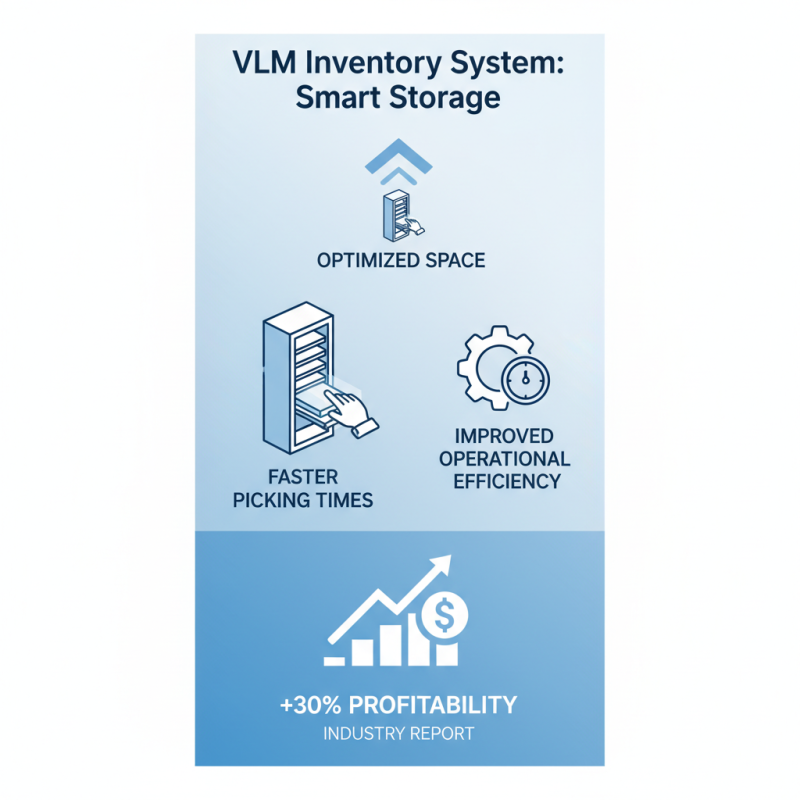
The VLM (Vertical Lift Module) inventory system is designed to optimize storage space. It utilizes vertical space more effectively than traditional shelving. This approach leads to reduced picking times and improved operational efficiency. According to recent industry reports, effective inventory management can improve profitability by up to 30%.
Understanding the basics of the VLM inventory system starts with its structure. It consists of stacked trays that rotate to bring items directly to the picker. In a well-organized warehouse, this can reduce travel time significantly. However, improper setup can lead to inefficiencies. For example, if items are not categorized correctly, it can slow down retrieval processes.
Even with advanced technology, challenges remain. Employee training is essential for maximizing the system's potential. A survey indicates that 25% of businesses experience issues due to inadequate training. That's a significant number. Addressing these shortcomings can enhance user experience. Regular audits of inventory management practices are crucial. This ensures that the system functions correctly and adapts to changing needs.

Setting up your Vlm Inventory System for optimal use requires careful planning. Start by analyzing existing stock patterns. A study by the Institute of Inventory Management highlighted that 43% of companies lack proper inventory visibility. This can lead to overstocking or stockouts, costing businesses significantly. Use data analytics to forecast demand and avoid these pitfalls.
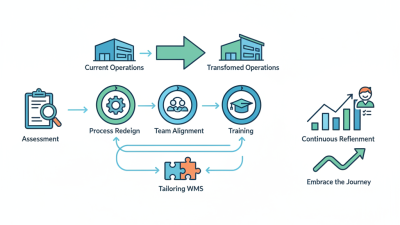
Next, ensure the system integrates well with your current operations. The Global Supply Chain Institute reported that 78% of firms experience integration issues. Address these by training staff thoroughly. Empathetic communication about the system's changes can ease transitions. Remember, not everyone will adapt quickly. Mistakes and misunderstandings can happen, and that's okay.
Finally, continuously monitor the system's performance. Are you still facing stock discrepancies? Regular audits can help identify these gaps. According to recent data, 60% of businesses neglect this step. Set up feedback loops with your team. Their insights are valuable for improvement. Embrace a culture of continuous learning. Mistakes are often the best teachers.
The Vlm Inventory System offers features that can transform inventory management. One key aspect is real-time tracking. This feature enhances accuracy. According to industry reports, companies using real-time systems experience a 30% reduction in stock discrepancies. This can save resources and improve operational efficiency.
Another essential feature is automated replenishment. This helps prevent stockouts and overstock situations. A survey indicates that 60% of retailers struggle with inventory levels. The Vlm system can analyze sales data and forecast needs. Ignoring this can lead to lost sales or excess inventory that ties up capital.
However, not all users fully leverage these features. Some overlook data analysis capabilities. This oversight can result in missed opportunities for optimization. Understanding how to utilize each feature is vital. Inaccurate information can lead to poor decision-making. Poor usage may prevent businesses from realizing the full potential of the Vlm system.
| Feature | Description | Benefits | Best Practices |
|---|---|---|---|
| Real-Time Tracking | Monitor inventory levels as they change. | Reduces stockouts and overstock situations. | Regularly review and adjust reorder levels. |
| Automated Alerts | Receive notifications for low stock or expiration dates. | Improves responsiveness to inventory needs. | Customize alerts for critical items. |
| Reporting Tools | Generate reports on stock levels, sales, or trends. | Informs decision-making for inventory management. | Schedule regular reports for analysis. |
| Multi-Location Support | Manage inventory across multiple warehouses. | Streamlines operations and optimizes stock levels. | Centralize inventory management processes. |
| Integration Capabilities | Connect with other software systems (e.g., ERP, CRM). | Enhances data flow and operational efficiency. | Evaluate integration needs for seamless operation. |
Managing inventory efficiently is crucial for businesses. Using the Vlm inventory system can streamline this process. First, ensure accurate data entry. Inaccurate information leads to poor decisions. Regular audits can help catch errors. If items are miscounted, it creates confusion.
Next, train your staff properly. Everyone should understand the system. Miscommunication can result in delays. Moreover, establish clear processes. Create standard operating procedures for inventory checks. This minimizes mistakes and clarifies responsibilities. Keep it simple but effective.
Finally, utilize analytics tools within the Vlm system. These can provide valuable insights into trends. Track your inventory turnover rates. If certain items aren’t selling, consider adjusting stock levels. Experiment with different strategies; some may fail. Reflect on what works best for your business.
The Vlm Inventory System can streamline your operations, but common issues can affect efficiency. One frequent problem is data inconsistency. Companies often face inaccurate data entries, leading to mismanaged stock levels. According to industry reports, 60% of inventory inaccuracies arise from human error. Regular audits can minimize this, but many firms neglect them.
Another common hurdle is system integration. Many users report difficulties connecting the Vlm system with other software. A survey showed that over 45% of businesses struggle with integrating inventory management systems. This can cause delays and confusion. A potential fix is to invest resources in proper training. Knowledgeable staff can alleviate some integration issues.
User experience is also a vital aspect. If the interface is not intuitive, errors can multiply. Systems should involve feedback loops to identify pain points. Yet, only a small percentage of users actively engage with feedback systems. Periodic evaluations are needed to address frequent challenges. Without this, companies risk wasting significant time and resources. Adapting to these issues is crucial for long-term success.