2026 How to Enhance Efficiency with Rack Automation Solutions?
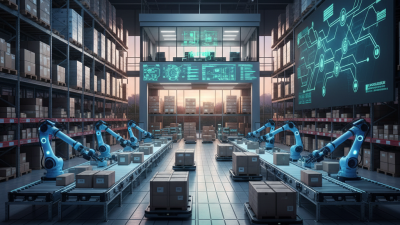
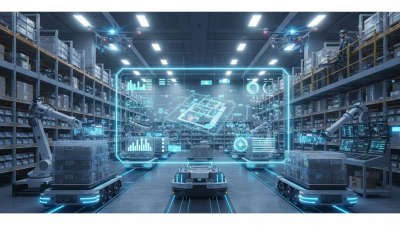
In today's fast-paced world, businesses constantly seek ways to improve productivity. Rack Automation stands out as a pivotal solution. It streamlines operations, reduces manual labor, and enhances storage efficiency. By integrating automated systems into warehouse management, companies can optimize space and improve workflow.
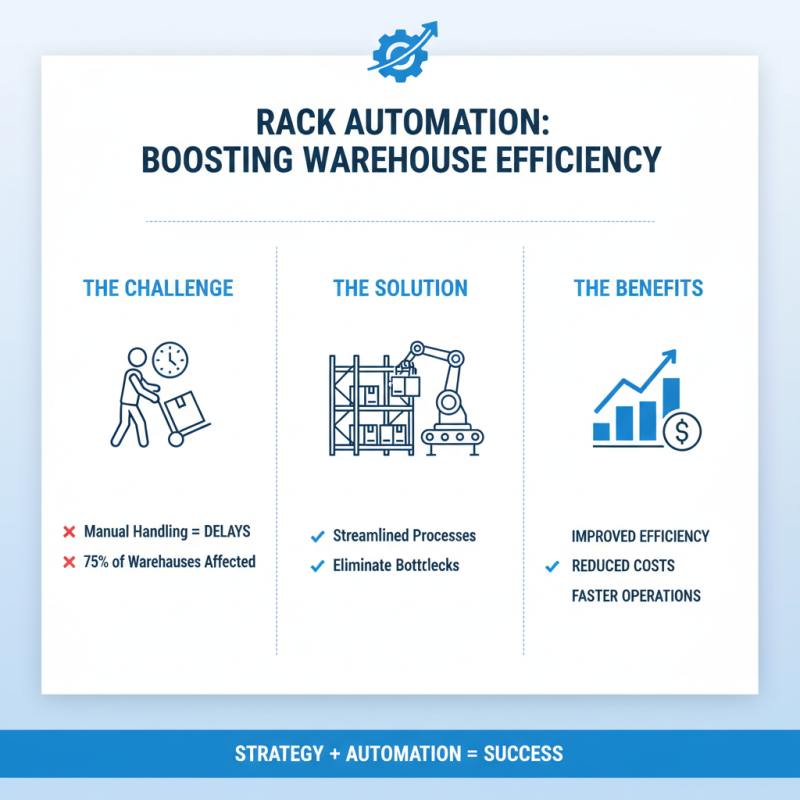
Implementing Rack Automation may seem straightforward. However, some challenges can arise. For instance, initial setup costs can be high. Additionally, employee training is critical for successful integration. Yet, the long-term benefits often outweigh these hurdles. Companies that adopt Rack Automation report significant gains in efficiency and accuracy.
As we explore Rack Automation solutions, it's essential to recognize both strengths and weaknesses. Not every system fits every business. Identifying needs and understanding limitations can lead to better decision-making. The right approach ensures that Rack Automation enhances efficiency and supports business growth.

Overview of Rack Automation Solutions
Rack automation solutions have gained traction in recent years. According to industry reports, global spending on warehouse automation is expected to reach $30 billion by 2026. This growth emphasizes the need for businesses to modernize their operations. Rack automation allows for streamlined inventory management. It enhances efficiency and reduces human error significantly.
Implementing rack automation can lead to a 30% increase in productivity. However, companies sometimes struggle with initial setup costs. Training staff to adapt to new systems can also present a challenge. It's crucial to assess these factors before transitioning to automation. Make sure to analyze your existing workflow. Pinpoint areas that automation can improve.
Tip: Start small. Test automation in one section of your operation. Monitor the impacts closely. This approach can help ease the transition. A phased implementation often reveals unexpected benefits. Many companies experience enhanced accuracy in order fulfillment. Emphasizing continuous improvement will ensure long-term success with rack automation solutions.
Key Components of Rack Automation Systems
Rack automation systems significantly enhance operational efficiency in various industries. These systems streamline processes, reduce errors, and optimize space utilization. By implementing key components, businesses can experience improved workflow and productivity.
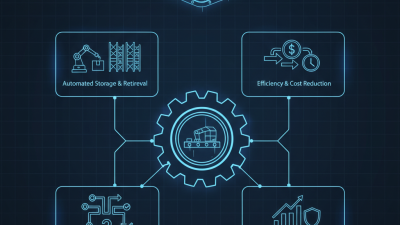
One crucial element is automated storage and retrieval systems (AS/RS). These systems allow for the rapid storage and retrieval of items. They minimize manual handling and reduce labor costs. Consider integrating sensors to monitor inventory levels. This can prevent stockouts or excess inventory.
Another vital component is inventory management software. It tracks assets in real-time, ensuring accurate data at your fingertips. This can optimize stock rotation and minimize waste. However, data input can sometimes be sluggish or inaccurate. Regular training sessions can address this issue.
Tips: Regularly assess system performance and identify bottlenecks. Engage employees for feedback. They can provide insights into daily operations. Automation is not a one-size-fits-all solution. Customize the system to fit specific business needs. Make adjustments as necessary and don’t hesitate to iterate.
2026 Efficiency Enhancement with Rack Automation Solutions
Measuring Efficiency Gains from Rack Automation
Rack automation is transforming warehouse operations. Implementing automated systems can significantly reduce operational costs. A study by the Warehouse Automation Association found that companies utilizing these systems can achieve up to a 25% reduction in labor costs.
Efficiency gains from rack automation are measurable. Real-time data tracking allows businesses to identify bottlenecks. According to recent metrics, 65% of companies report improved inventory accuracy. This leads to fewer stockouts and overstock situations. Automation also reduces human error rates, which can be as high as 30% in manual systems.
However, the transition to automation is not always seamless. There are challenges in integrating existing inventory systems with new technologies. Staff training is crucial. Many companies find that investing in employee education pays off, leading to more efficient operations. Balancing new tech and human labor remains a constant challenge.
2026 How to Enhance Efficiency with Rack Automation Solutions? - Measuring Efficiency Gains from Rack Automation
| Metric |
Before Automation |
After Automation |
Improvement (%) |
| Order Fulfillment Time (hours) |
10 |
6 |
40% |
| Labor Cost per Order ($) |
50 |
30 |
40% |
| Inventory Accuracy (%) |
85 |
95 |
11.76% |
| Space Utilization (%) |
60 |
85 |
41.67% |
| Returned Items Rate (%) |
8 |
4 |
50% |
Case Studies of Successful Rack Automation Implementations
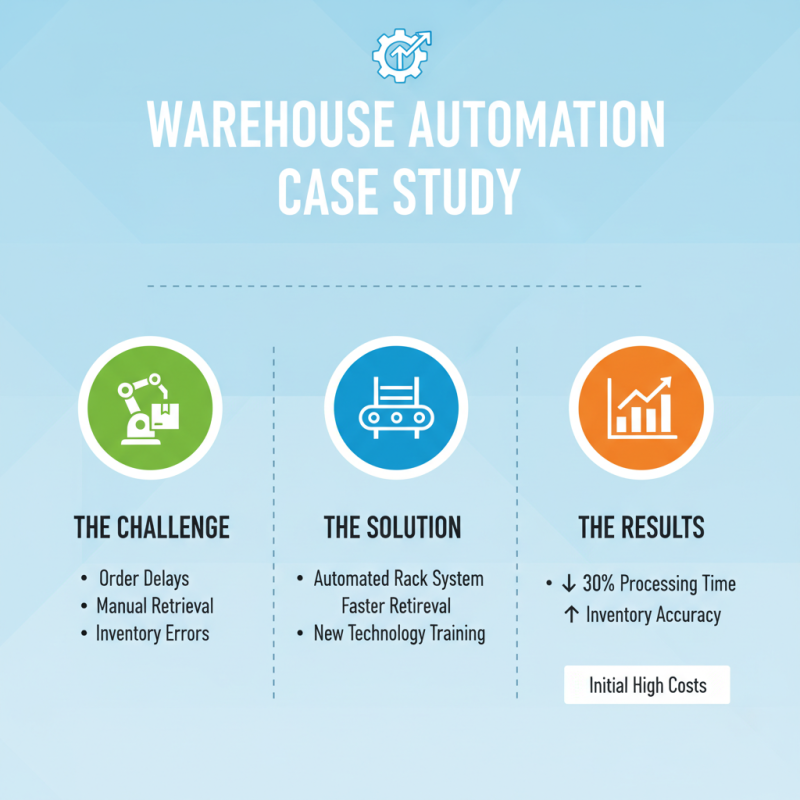
In recent years, many organizations have turned to rack automation solutions to improve their efficiency. One notable case study involved a mid-sized warehouse that struggled with order fulfillment delays. They implemented an automated rack system that allowed for faster retrieval of goods. The results were significant. Order processing time decreased by 30%, and inventory accuracy improved. However, the transition was not without challenges. Initial setup costs were high and training staff to operate new technology required time.
Another example comes from a distribution center facing space constraints. By using vertical rack automation, they utilized previously wasted space. This system maximized storage capacity while reducing labor costs. Despite the efficiency gains, there were glitches during the rollout process. Some items were misplaced due to software errors. Employees had to adapt from manual to automated systems quickly, leading to temporary disruptions in workflow.
These cases highlight the potential of rack automation, alongside its complexities. Automation offers clear benefits but requires careful planning. Organizations must assess their specific needs and be prepared for a learning curve. They should document experiences and be open to refining their processes. Continuous improvement is key to fully realizing the advantages of automation.

 +8618862309186
 CONTACT NUMBER
 CONTACT NUMBER
 CONTACT NUMBER