How to Follow Warehouse Guidelines for Efficient Operations?
In today's fast-paced logistics industry, following Warehouse Guidelines is essential for achieving efficient operations. Renowned expert John Smith, a veteran warehouse manager, once stated, "Strict adherence to guidelines saves time and money." His insights shed light on the importance of structured practices.
Warehouse Guidelines encompass various aspects, from layout optimization to inventory management. Every detail counts. For instance, if aisles are cluttered, workers waste time navigating obstacles. Poor organization leads to frustration and delays. Employees may overlook the significance of these guidelines, thinking they can improvise. However, that can backfire, resulting in increased errors and lost productivity.
Reflecting on how guidelines are implemented reveals gaps. Training often lacks depth. Teams need regular reviews to align with best practices. A rigid approach might seem daunting, yet it's crucial in maintaining order. Only by recognizing and addressing these shortcomings can efficiency truly be achieved in warehouse operations.

Understanding Warehouse Guidelines and Their Importance
Warehouse guidelines play a crucial role in creating efficient operations. They provide a structured approach to tasks and ensure safety. Understanding these guidelines helps in maintaining organization, which is vital for productivity. When everyone follows the rules, it minimizes errors and enhances teamwork.
One key tip for following warehouse guidelines is to always keep the workspace organized. Clutter can lead to accidents, delays, and inefficiencies. Another vital aspect is regular training. Employees should be familiar with the latest protocols. This can help in identifying areas where guidelines may not be effective. Reflecting on past incidents can lead to better practices.
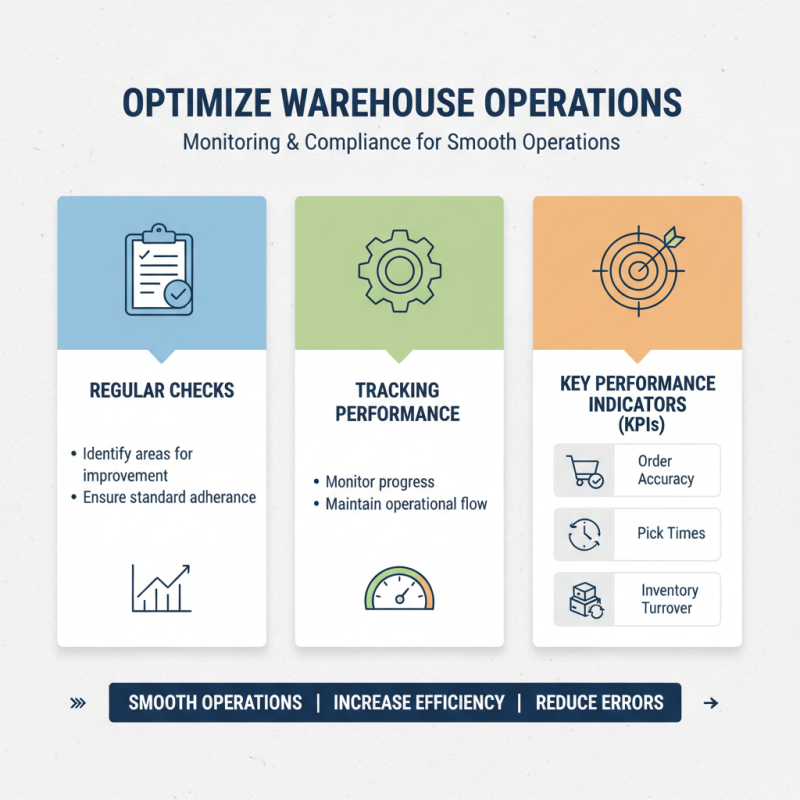
Consider conducting frequent audits. This ensures adherence to guidelines and highlights areas for improvement. Keeping communication open can also help in understanding challenges faced by the team. Sometimes, guidelines may not be fully practical in real situations. Listening to feedback can bridge this gap and drive operational efficiency.
Key Components of Warehouse Operations Protocols
Understanding warehouse operations protocols is key to achieving efficient logistics. The process starts with effective inventory management. Keep track of stock levels regularly. Use a visual layout to identify items easily. This allows quicker retrieval.
Tips: Implement a barcode system. Barcodes improve accuracy. They streamline the checking-in and checking-out processes.
Safety guidelines cannot be overlooked. Every worker must understand emergency procedures. Regular drills can help keep everyone prepared. Lack of preparedness can lead to confusion during real emergencies.
Tips: Create a visible safety checklist. Place it near exits. Encourage staff to review it frequently. This builds a culture of safety awareness.
Effective communication is essential. Regular team briefings can help align everyone on daily tasks and goals. Notes from these meetings should be available to all. Skipping this can leave employees uninformed.
Tips: Use a messaging app for quick updates. This ensures timely information flow among all staff. Keeping everyone in the loop is vital for smooth operations.
Warehouse Operations Efficiency Metrics
Steps to Implement Warehouse Guidelines Effectively
Implementing warehouse guidelines effectively requires a clear understanding of procedures. Begin by training your staff. They must know the importance of following rules. Use hands-on training sessions to emphasize critical tasks. Visual aids can help reinforce guidelines. Create a manual that outlines procedures. Ensure it's easy to follow. Regular updates to this manual can help maintain relevance.
Monitoring compliance is crucial. Schedule routine checks to see if guidelines are followed. Use audits to identify gaps. If you notice frequent issues, investigate the causes. Sometimes, lack of understanding or inadequate training may be at play. Engage your team in discussions. Their feedback may reveal overlooked problems.
Encouraging a culture of accountability can foster adherence. When employees understand the impact of non-compliance, they may take it more seriously. Celebrate successes, however small. Recognizing efforts reinforces good practices. Remember, continuous improvement is key. Expect mistakes and learn from them. Embracing imperfections leads to better processes over time.
How to Follow Warehouse Guidelines for Efficient Operations? - Steps to Implement Warehouse Guidelines Effectively
| Step |
Description |
Responsible Party |
Deadline |
| 1 |
Review existing warehouse guidelines and policies. |
Operations Manager |
End of Q1 |
| 2 |
Conduct training sessions for warehouse staff on guidelines. |
Warehouse Supervisor |
Mid Q2 |
| 3 |
Implement a monitoring system for compliance with guidelines. |
IT Department |
End of Q2 |
| 4 |
Regularly review and update guidelines based on feedback. |
Quality Assurance Team |
Ongoing |
| 5 |
Create an incentive program for staff adhering to guidelines. |
Human Resources |
End of Q3 |
Continuous Improvement for Warehouse Operational Efficiency
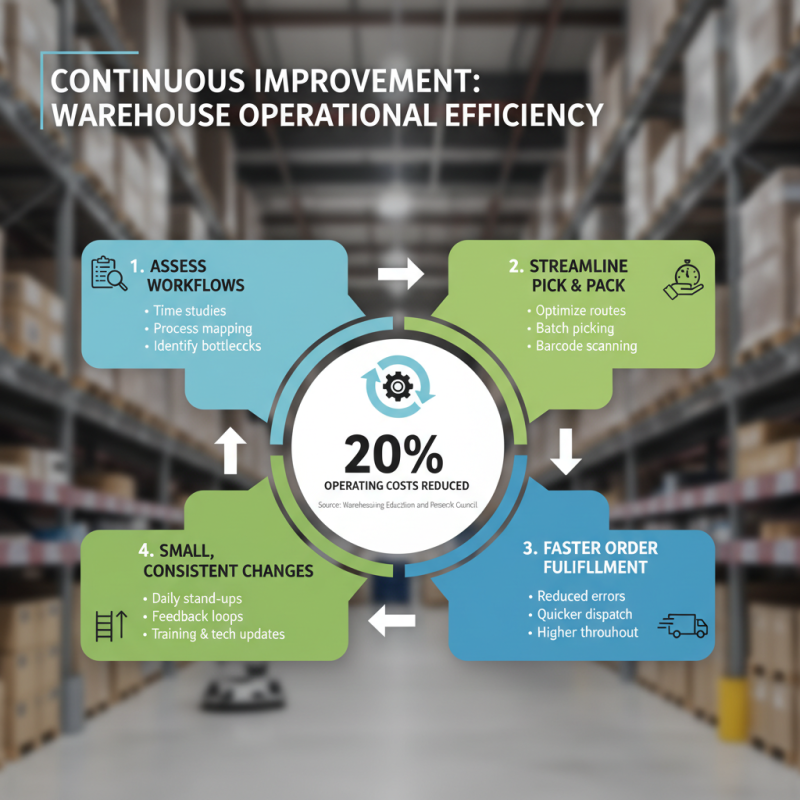
Continuous improvement is crucial for enhancing warehouse operational efficiency. According to the Warehousing Education and Research Council, increasing warehouse efficiency can reduce operating costs by up to 20%. This significant reduction can be achieved through small, consistent changes in daily operations. For instance, streamlining pick-and-pack processes can lead to faster order fulfillment. This implementation often starts with simple assessments of workflows.
Conducting regular audits can highlight inefficiencies. Workers' feedback plays a vital role in identifying bottlenecks. Surprisingly, about 30% of warehouse workers feel their inputs are overlooked. This can lead to persistent issues going unaddressed. Improvement initiatives should actively involve employees for better engagement. Training also cannot be ignored; lack of proper training can hinder productivity and employee confidence.
Emphasizing real-time data tracking aids in decision-making. Reports state that facilities using data analytics see a 25% increase in productivity. Yet, many warehouses still rely on outdated methods. Embracing technology is essential but often met with resistance. Balancing traditional methods with smart solutions remains a challenge. Implementing changes can feel daunting, but the potential benefits are substantial.

 +8618862309186
 CONTACT NUMBER
 CONTACT NUMBER
 CONTACT NUMBER