How Much Pallet Space Do I Need for Shipping?
How Much Pallet Space Do I Need for Shipping?
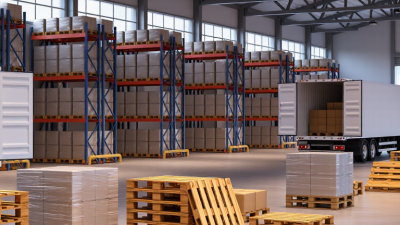
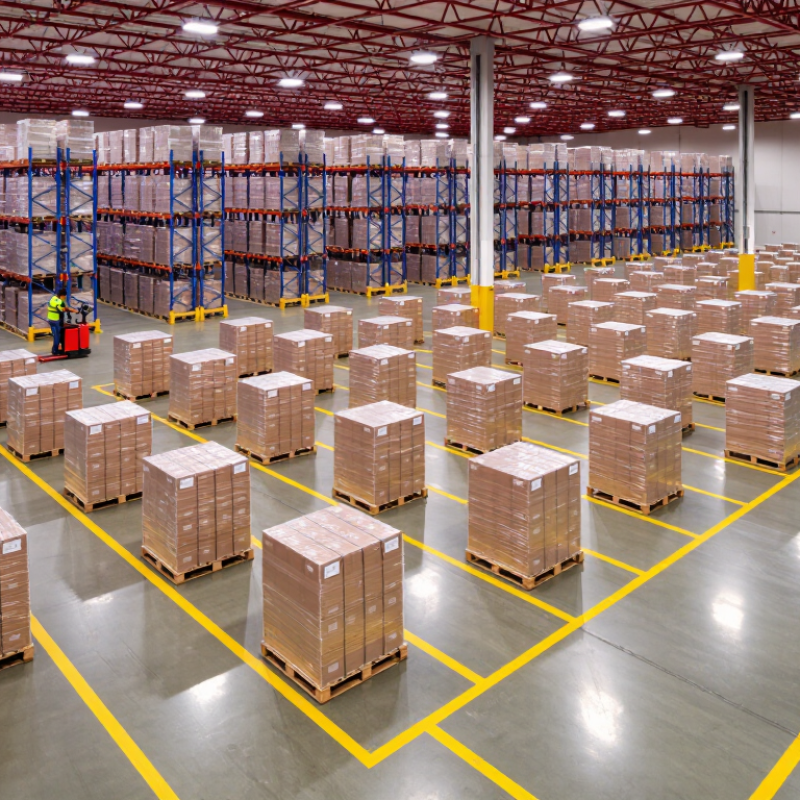
Calculating Pallet Space begins with more than counting pallets. Product dimensions, stacking limits, shipment weight, and loading access all matter. A standard 48-by-40-inch pallet may occupy 13.33 square feet on the floor. However, usable warehouse space also needs aisles, safety clearance, and turning room.
Warehouse logistics expert Gwynne Richards offers a useful principle: “Space is a cost, so every pallet position should support a clear operational purpose.” His point is practical. A warehouse may have room for 100 pallets on paper, but only 70 may be accessible without delays or unsafe movements.
Measure the loaded pallet, not the carton alone. Include wrap, corner boards, pallet overhang, and height restrictions. A pallet measuring 48 by 40 by 60 inches requires different handling space from a compact, double-stacked load. Weight can change the answer too. Heavy goods may need wider spacing or lower storage levels.
A simple estimate helps.
Divide the required pallet count by the number of pallets your layout can safely hold. Then add reserve capacity for seasonal demand, damaged pallets, and receiving delays. A 10% to 20% buffer is often sensible, though it may not fit every operation.
This calculation is not perfect. Real warehouses rarely behave like clean diagrams. Forklifts pause, orders change, and pallets arrive with inconsistent dimensions. Review actual movement data before committing to long-term capacity. The best Pallet Space plan balances density, access, safety, and future growth.
What Pallet Space Means in Shipping
How Much Pallet Space Do I Need for Shipping?
What Pallet Space Means in Shipping
Pallet space describes the room your freight occupies inside a trailer, container, or warehouse. It usually includes the pallet’s length, width, and loaded height. Weight, stackability, and loading restrictions also affect the space calculation. A standard pallet footprint may use one position, but an unstable load can require more room. That distinction matters.
For example, a pallet measuring 48 by 40 inches uses about 13.3 square feet of floor space. However, freight teams also check whether another pallet can sit beside it safely. A 60-inch-high pallet may fit under a trailer’s roof, while a 66-inch load might not. Measure the complete shipment, including wrapping, corner protection, and overhanging cartons. Small details become expensive surprises.
In practical shipping work, suppliers should record each pallet’s dimensions and gross weight before requesting a quote. Tell the carrier whether the freight can be stacked, turned, or loaded from the side. Never assume two light pallets will share one position. Their shapes may prevent safe placement. I have seen estimates fail because teams measured the wooden base but ignored the top layer. A quick remeasurement often prevents a rejected pickup, although it can feel unnecessary when the load looks obvious.
How to Measure Your Pallet and Cargo Dimensions
How Much Pallet Space Do I Need for Shipping?
Measure the pallet before estimating shipping space. Record its length, width, and height in centimeters or inches. Measure from the floor to the highest cargo point, including stretch wrap and corner protection. Do not measure only the cartons. A small mistake can change the freight class, vehicle position, or quoted charge.
Place the pallet on a flat surface. Check all four sides with a tape measure. Note any overhang, uneven stacking, or damaged boards. Then weigh the complete unit, not the empty pallet. A common North American pallet measures 48 by 40 inches, while many international pallets use 1,200 by 800 or 1,200 by 1,000 millimeters. Confirm the receiving network’s preferred size. Standards vary more than expected.
The 2024 State of Logistics Report estimated U.S. business logistics costs at 2.3 trillion dollars, equal to 8.7% of economic output. Accurate dimensions help prevent avoidable handling and reclassification costs. Maritime transport carries over 80% of global merchandise trade by volume, according to the United Nations Conference on Trade and Development. That scale makes consistent measurements valuable. I still recheck wrapped pallets after loading. Film can add several centimeters. My first measurement is rarely perfect. Record the final dimensions on the shipping documents, and photograph the tallest side when the load is irregular.
How Weight, Stacking, and Overhang Affect Space Needs
Estimating pallet space starts with the load’s actual footprint, weight, height, and stacking pattern. A standard pallet footprint does not guarantee efficient use of trailer or warehouse space. Heavy cartons may require a lower position, while fragile cartons may need open space above them. Weight changes the plan.
Stacking can reduce the number of pallet positions, but it also increases pressure, instability, and handling risk. Place dense cartons at the bottom and keep the center of gravity low. The load should stay square, with no leaning layers. If the top layer crushes under pressure, the calculated height was too optimistic. I once saw a pallet fit the planned height but fail because the cartons shifted during braking. That mistake was expensive.
Overhang affects space more than many shipping plans show. Even a few centimeters beyond the pallet edge can block neighboring loads or prevent safe forklift entry. It can also damage cartons when pallets are tightly positioned. Measure the widest point, not just the pallet board. Record the finished length, width, height, and gross weight after wrapping. I usually allow a small planning buffer, but the right amount depends on handling equipment and carrier limits. A trial load with empty pallets can reveal spacing problems before shipment. Leave room for uneven wrapping, bowed cartons, and imperfect stacking. Neat spreadsheets cannot replace a physical check.
How to Choose the Right Shipping Option for Your Pallets
How Much Pallet Space Do I Need for Shipping?
Choosing the right shipping option starts with accurate pallet measurements. Measure length, width, height, and total weight after wrapping. A standard pallet often measures 48 by 40 inches, but warehouse footprints vary. Do not assume every pallet fits that pattern.
For one or two pallets, less-than-truckload shipping is usually practical. It combines your freight with other shipments. More handling can increase damage exposure, so use strong corner protection and clear labels. For several pallets, compare volume LTL with full truckload pricing. A full truckload may reduce handling, even when the trailer has unused space.
According to the 2024 State of Logistics Report, United States business logistics costs reached about 2.4 trillion dollars in 2023. Small measurement errors can become expensive at that scale. My own planning mistake was counting floor positions, but ignoring height limits. That created a rework delay.
Tips:
Create a pallet worksheet before requesting quotes. Record stackable status, dimensions, weight, pickup hours, and delivery equipment. Calculate cubic feet by multiplying length, width, and height, then divide by 1,728. Request both LTL and full-truckload quotes when freight occupies more than six pallets. The Council of Supply Chain Management Professionals recommends using shipment data to improve transportation decisions. Recheck accessorial charges, especially residential delivery, liftgate service, and limited receiving hours. A cheaper quote may not be cheaper after these charges.

 +8618862309186
 CONTACT NUMBER
 CONTACT NUMBER
 CONTACT NUMBER