How to Implement Rack Automation for Efficient Warehousing?
In today's fast-paced supply chain environment, Rack Automation stands out as a game changer. According to John Smith, a leading expert in warehouse automation, “Efficient inventory management starts with the right tools.” His insight reflects the need for innovative solutions in warehousing.
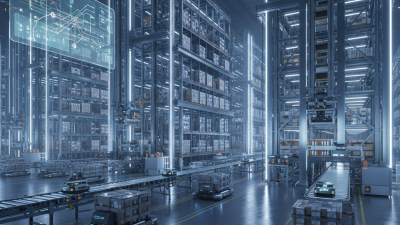
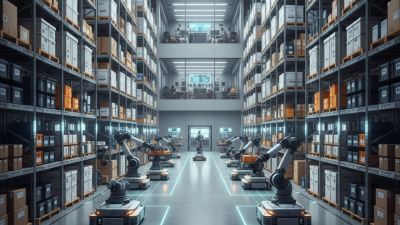
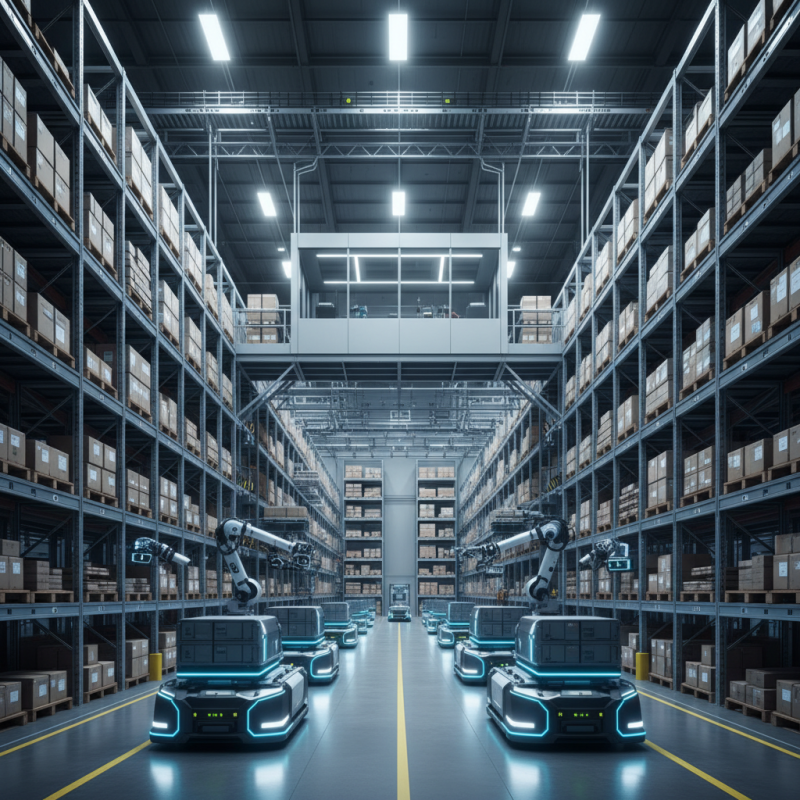
Rack Automation enhances operational efficiency by minimizing manual labor. Automated racking systems save time and reduce errors. For instance, automated guided vehicles can move products seamlessly across large spaces. However, implementing this technology is not without challenges. Companies must consider upfront costs and integration with existing systems.
Furthermore, not all warehouses are ready for automation. Each facility has unique constraints and layouts. It's crucial to evaluate specific needs and scalability before investing. Reflecting on these factors can lead to more sustainable, long-term solutions in the journey towards full Rack Automation.
Understanding Rack Automation in Warehousing
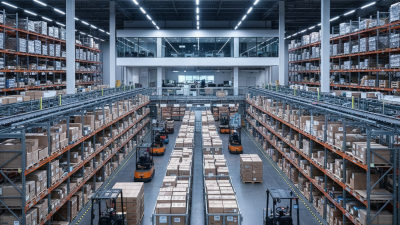
Rack automation in warehousing is a game changer. It enhances efficiency and maximizes space. Many companies still rely on manual systems. This can lead to errors and delays. Embracing automation helps streamline processes.
One critical tip for implementing rack automation is to assess your current workflow. Identify bottlenecks that slow down operations. Aim to replace manual tasks with automated solutions. It's essential to choose technology that fits your unique setup. Not all systems work for every warehouse, and it’s important to tailor solutions.
Another point to consider is staff training. Employees must understand how to use automated systems effectively. Without proper training, automation can become counterproductive. Sometimes, employees may resist changes. Addressing their concerns can lead to better acceptance. Regular feedback can also improve the automation process. It's crucial to recognize that transitioning to rack automation is a journey, filled with adjustments and learning opportunities.
Key Components of Rack Automation Systems
Rack automation is transforming warehousing efficiency. Key components of rack automation systems are essential to understand.
Automated storage and retrieval systems (AS/RS) streamline inventory management.
According to a recent industry report, these systems can improve storage density by 50%. They minimize the time spent on retrieval and increase order accuracy.
Another critical component is conveyor systems. They facilitate smooth transportation of goods within warehouses. Using conveyors reduces manual labor and lowers operational costs.
Statistics show that organizations using conveyors can increase throughput by up to 30%. However, it’s crucial to assess the layout before implementation. Poor design can nullify these benefits.
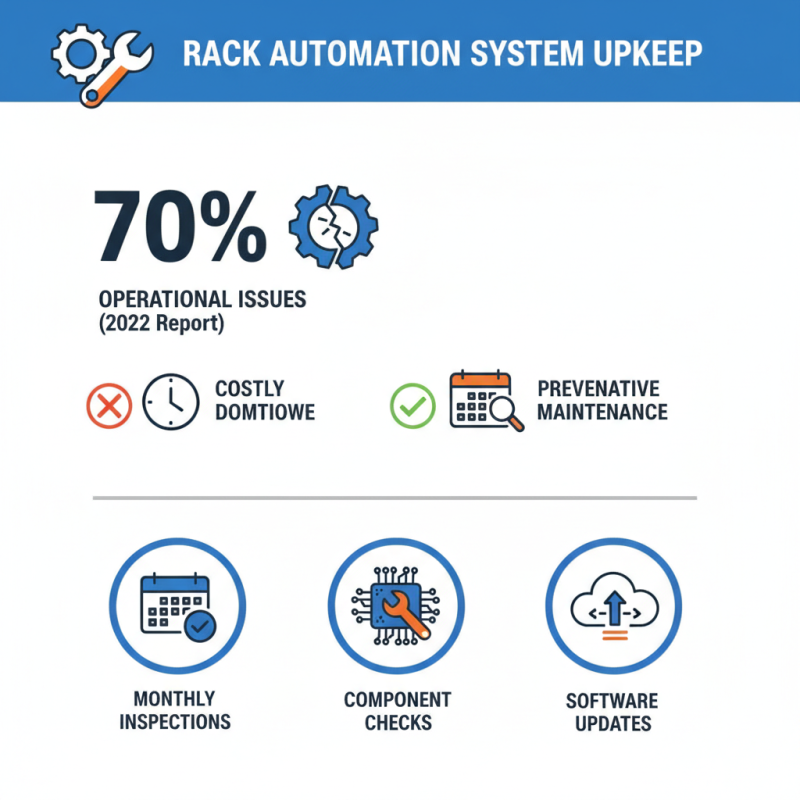
Tips for enhancing rack automation include regular maintenance checks. Ensure all components work efficiently.
Also, invest in employee training. Staff should be skilled in using new technologies.
Finally, gather feedback from workers. Their insights can guide further improvements. Small tweaks can lead to significant gains over time.
Step-by-Step Implementation Process for Rack Automation
Rack automation can transform warehousing into a streamlined process. The first step begins with assessing your current operations. Look at storage capacity, inventory management, and order fulfillment. Identify specific pain points. Understanding these areas helps tailor the automation process effectively.
Next, design the layout for automated racks. This should consider both workflow efficiency and accessibility. You might want to experiment with different configurations. Some setups may look great on paper but fail in real environments. Test various systems to find what genuinely works for your team.
After establishing the layout, select the right technology. Ensure compatibility with existing warehouse management systems. Keep in mind that not all automation solutions fit every warehouse. Regularly review performance metrics to refine processes. Adaptability is key. The goal is to enhance productivity while minimizing overhead. Always strive for improvement, as warehousing needs can change.
How to Implement Rack Automation for Efficient Warehousing?
| Step |
Description |
Duration |
Tools Needed |
Expected Outcome |
| 1 |
Assess current warehouse layout and storage needs. |
1 week |
Warehouse management software |
Identify optimal rack design. |
| 2 |
Select the right automation technologies (e.g., AS/RS). |
2 weeks |
Vendor evaluations |
Improved retrieval speeds. |
| 3 |
Design and configure the automated system. |
3 weeks |
Design software, simulation tools |
Customized automation solutions. |
| 4 |
Install the rack automation systems. |
4 weeks |
Installation crew, machinery |
Operational automated racking. |
| 5 |
Train staff on the new automated system. |
1 week |
Training materials, hands-on sessions |
Enhanced staff proficiency. |
| 6 |
Evaluate the system performance and make adjustments. |
Ongoing |
Performance metrics tools |
Optimal efficiency and productivity. |
Benefits of Rack Automation for Warehousing Efficiency
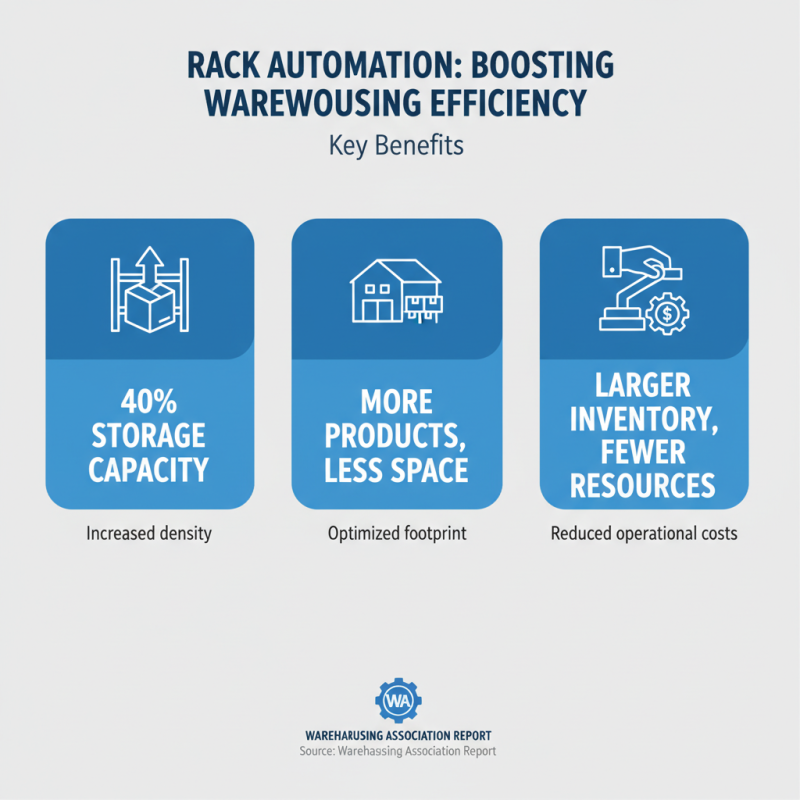
Rack automation significantly boosts warehousing efficiency. A recent report from the Warehousing Association noted that companies using automation can increase storage capacity by up to 40%. This enhancement leads to more products stored in less space. As a result, warehouses can handle larger inventories with fewer resources.
Moreover, the time saved in operations can be substantial. Automated systems often reduce picking time by 30%. This improvement allows staff to focus on more complex tasks. However, not every organization jumps to implement automation. Some worry about upfront costs and training. These concerns are valid, yet the long-term gains often outweigh initial hurdles. The transition can feel daunting.
Additionally, the accuracy of picking gets better with automation. The error rate can drop to less than 1% in many cases. This precision ensures customer satisfaction through accurate order fulfillment. Yet, organizations must remain aware of maintenance needs. Automated systems can experience downtime if not properly managed. Balancing these factors is crucial for successful implementation.

 +8618862309186
 CONTACT NUMBER
 CONTACT NUMBER
 CONTACT NUMBER