How to Maximize Your Pallet Space for Efficient Shipping?
Maximizing your pallet space is crucial for efficient shipping. In logistics, every inch of space counts. Utilizing pallet space effectively can lead to significant cost savings and improved delivery timelines. Many companies underestimate the importance of proper pallet arrangements. When done poorly, it can result in wasted space and increased shipping costs.
Understanding how to optimize pallet space goes beyond mere stacking. It involves strategic planning and understanding your products' dimensions. For instance, knowing the weight distribution can aid in balancing the load. Smaller items may be packed in boxes that fit snugly together. This reduces gaps and maximizes the use of available space.
However, even the best-laid plans can go awry. Mistakes can happen, leading to poorly configured pallets. Regularly review your pallet configurations and be open to adjustments. Reflecting on past shipping processes can help identify areas for improvement. This dedication to refining your approach will ultimately enhance your shipment efficiency and ensure you make the most of your pallet space.
Understanding Pallet Dimensions and Weight Capacities
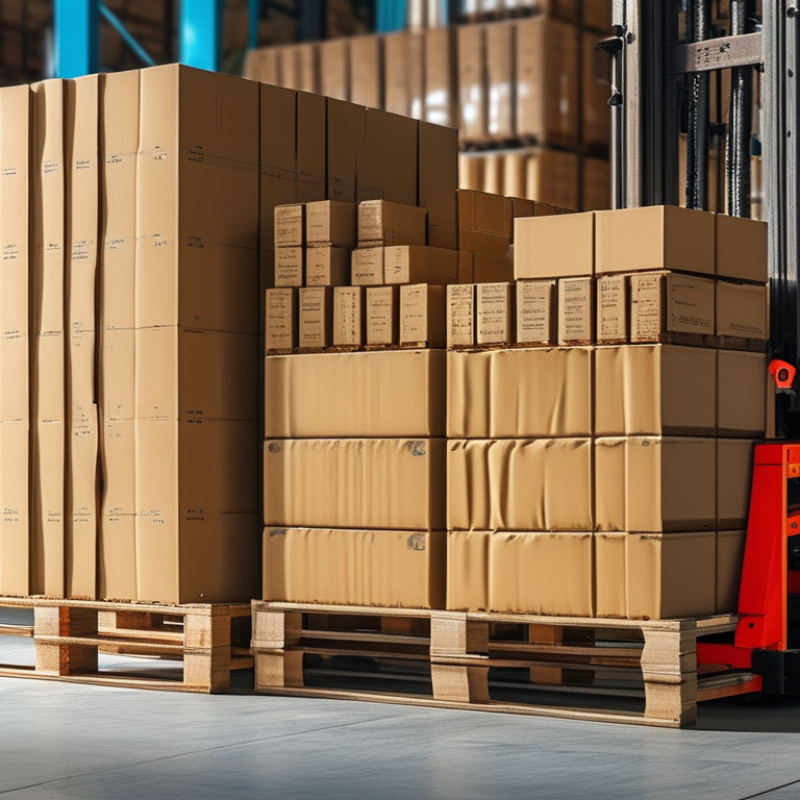
Pallet dimensions and weight capacities are crucial for efficient shipping. Understanding these factors can significantly enhance space utilization. Standard pallet sizes vary, but the most common is the 48x40 inch pallet. This dimension allows for compatibility with most shipping methods. However, many facilities overlook the height and weight limits of pallets. Often, pallets can hold up to 1,500 pounds, but overloading is common. This can lead to instability during transport.
When planning your pallet space, consider the arrangement of items. Using smaller boxes or optimizing the stacking method can save valuable space. However, not all products stack well. Fragile items require careful placement to prevent damage. Sometimes, businesses fail to assess their load carefully. This can result in wasted space and added costs.
Another aspect to ponder is pallet weight distribution. Proper distribution ensures safety and reliability during transit. An unbalanced load may lead to accidents or cargo losses. Regularly reviewing your shipping practices will help identify these issues. This is necessary for maximizing efficiency and reducing waste.
Choosing the Right Pallet Configuration for Your Cargo
When maximizing pallet space, choosing the right configuration is crucial. The way you arrange your cargo affects shipping efficiency directly. Consider the dimensions of your items. Uniform sizes stack well but irregular shapes can lead to wasted space. Analyzing how your products fit together can save room.
For optimal configuration, use a mix of vertical and horizontal stacking. This method provides stability. It allows for better weight distribution. Ensure that the base is sturdy with heavier items at the bottom. Remember, not all pallets are the same. Some might require adjustments based on the load type.
Try to visualize the pallet layout before loading. Sketching it out can help in organizing items. Sometimes, it's beneficial to experiment with different configurations. Adjust as necessary. Don't hesitate to rethink your usual methods. Efficiency often comes from being open to changes in your processes. A few moments spent planning can lead to significant savings in time and costs.
Techniques for Efficiently Stacking Packages on Pallets
Efficiently stacking packages on pallets can significantly improve your shipping logistics. One commonly overlooked factor is package orientation. Stacking boxes with their heaviest side down can increase stability. Aligning the edges of boxes minimizes wasted space, ensuring every inch of the pallet is used. Consider using a mix of box sizes. Smaller boxes can fill gaps between larger ones, optimizing load distribution.
Weight distribution is another crucial aspect of pallet stacking. Aim for a balanced load to avoid tilting during transit. It’s smart to stabilize your stack with shrink wrap. This method keeps packages secure and prevents shifting. However, over-wrapping can lead to waste and is not environmentally friendly. Regularly assess your techniques to enhance efficiency, as what works today might not be effective later.
As you stack, consider the potential for package damage. Ensure fragile items are placed at the top and not exposed to excessive pressure. During busy shipping seasons, vigilance may wane, leading to hasty stacking practices. Take time to train your team on best practices. Constructing a standard procedure can help maintain a reliable method for stacking and shipping.
Utilizing Space-Optimizing Tools and Equipment
Maximizing pallet space during shipping requires the right tools and techniques. Utilizing space-optimizing equipment can significantly improve efficiency. According to the U.S. Warehouse Efficiency Report, companies can increase storage capacity by 30% with proper pallet racking systems. Using adjustable shelving and specialized pallets allows better utilization of vertical space, thus reducing wasted space.
Automated equipment, such as pallet wrappers and forklifts, can lead to streamlined operations. A study showed that companies using automated systems reported a 40% reduction in labor costs. Additionally, incorporating software solutions for inventory management ensures precise tracking of pallet space. This reduces human error and enhances the overall shipping process.
However, some challenges arise with these optimizations. Not all warehouses can accommodate automated systems due to space limitations. Moreover, initial investment costs may deter smaller businesses. Assessing your warehouse's layout and future needs is essential. An effective solution for one company may not work for another. Adapting tools to your unique environment is vital for maximizing efficiency.
How to Maximize Your Pallet Space for Efficient Shipping?
| Pallet Type |
Dimensions (L x W x H in inches) |
Weight Capacity (lbs) |
Optimal Load Configuration |
Space Efficiency (%) |
| Standard Wooden Pallet |
48 x 40 x 6 |
2,500 |
Stacked |
85% |
| Plastic Pallet |
48 x 40 x 5.5 |
2,800 |
Stacked |
90% |
| Metal Pallet |
48 x 48 x 6 |
3,500 |
Stacked |
80% |
| Euro Pallet |
47.2 x 31.5 x 5.1 |
1,500 |
Stacked |
75% |
| Nestable Pallet |
48 x 40 x 5 |
1,200 |
Nested |
95% |
Implementing Best Practices for Maintaining Safety and Stability
Maintaining safety and stability while maximizing pallet space is crucial in shipping. Start by choosing the right pallets. They should be sturdy and in good condition. A damaged pallet can lead to accidents, risking both products and personnel. Use pallets that fit well within your transport dimensions to avoid unnecessary movement.
Proper stacking techniques are essential. Distribute weight evenly to prevent toppling. Larger items should be placed on the bottom for stability. Consider using corner boards to protect the edges of your products. This can prevent damage during transport. Additionally, securing loads with straps or shrink wrap can provide extra stability.
Regular training for staff is necessary. It's important for everyone to understand safe loading and unloading practices. Mistakes can happen, especially in busy environments. Encourage a culture of safety where team members can voice concerns. Regularly inspect your equipment and processes to adapt to new challenges. Reflecting on past shipping experiences can lead to improvements in your methods.

 +8618862309186
 CONTACT NUMBER
 CONTACT NUMBER
 CONTACT NUMBER