2025 How to Optimize Vertical Carousel Modules for Maximum Space Efficiency
In the rapidly evolving landscape of warehousing and inventory management, the importance of space optimization cannot be overstated. According to a recent report by MarketsandMarkets, the global market for automated storage and retrieval systems, including Vertical Carousel Modules, is projected to reach $10.3 billion by 2025, growing at a CAGR of 8.5%. This surge is primarily driven by the increasing demand for efficient space utilization and rapid order fulfillment processes in various industries.
Experts like Dr. Emily Chen, a leading figure in the automation sector, emphasize the transformative potential of Vertical Carousel Modules. She noted, “Implementing advanced vertical storage solutions can reduce floor space requirements by up to 80%, significantly enhancing operational efficiency.” As businesses continue to seek competitive advantages through streamlined operations, optimizing these vertical systems is essential for maximizing space efficiency and improving overall productivity.
In this context, understanding how to effectively optimize Vertical Carousel Modules has become crucial for organizations aiming to leverage their storage capabilities. This article delves into best practices and innovative strategies that can unlock the full potential of these modules, ensuring they contribute significantly to business success in the competitive landscape ahead.
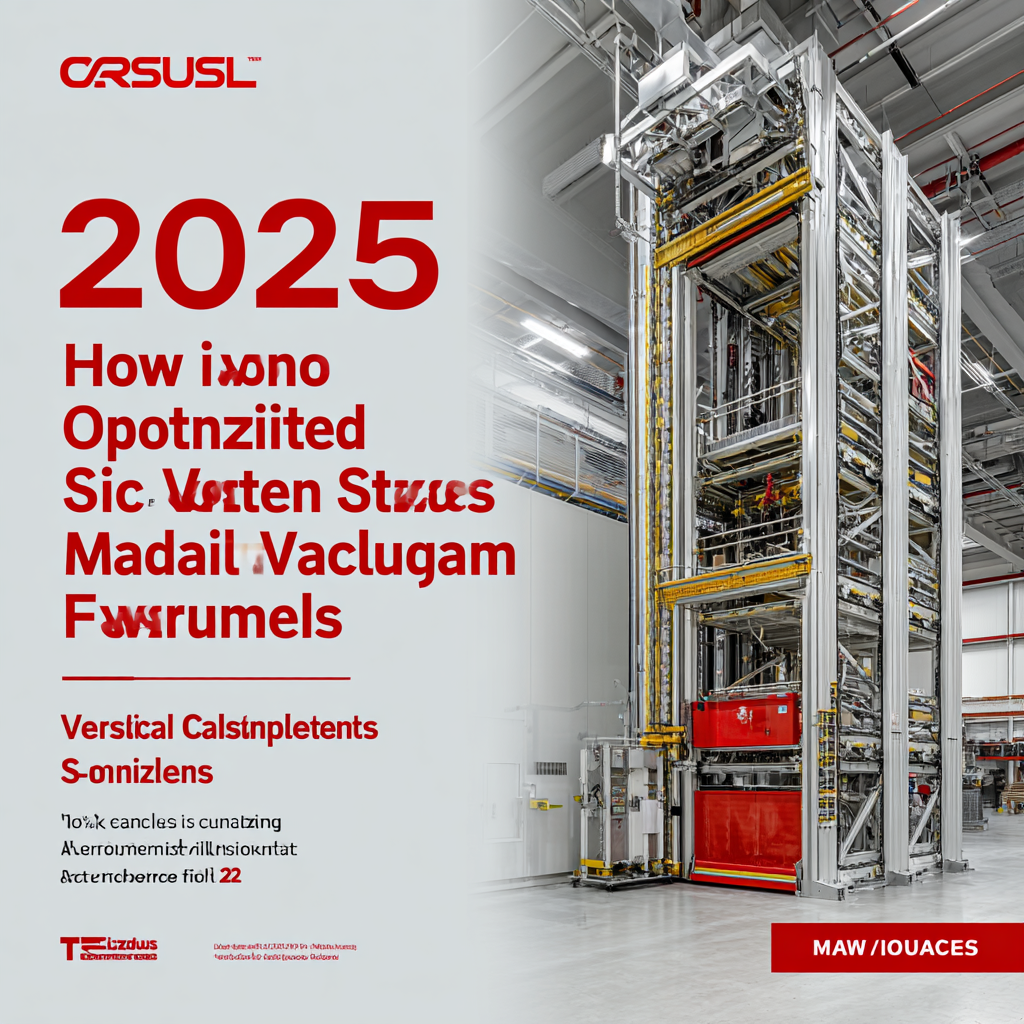
Understanding Vertical Carousel Modules and Their Importance in Space Management
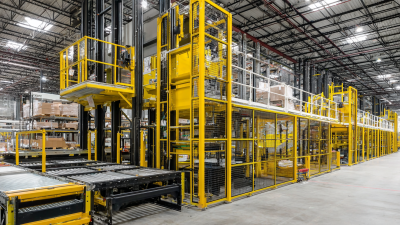
Vertical carousel modules play a crucial role in optimizing space management across various industries. These systems, which consist of rotating shelves that bring stored items to the user, maximize vertical storage while minimizing floor space. This is particularly significant in environments where every square foot counts, such as warehouses, retail spaces, and medical facilities. By effectively utilizing vertical space, businesses can enhance their storage capabilities without the need for extensive square footage expansions.
Understanding the design and operation of vertical carousels is essential for achieving maximum efficiency. Properly configured modules can streamline workflow, reduce retrieval times, and enhance overall productivity. Incorporating advanced technology, such as inventory management software and automated controls, can further improve the functionality of these systems. As organizations seek to enhance their space management strategies, focusing on the potential of vertical carousel modules positions them to capitalize on their spatial limitations and achieve operational excellence.
Key Factors Influencing Space Efficiency in Vertical Carousel Systems
When optimizing vertical carousel modules for maximum space efficiency, several key factors come into play. A primary aspect is the proper configuration of the carousel's layout. Ensuring that the carousel's dimensions and storage capacities align with the specific needs of the inventory can significantly enhance space utilization. Furthermore, implementing adjustable shelving can accommodate varying item sizes, preventing wasted space.
**Tips: Make use of modular systems** that allow for reconfiguration as inventory needs change. This flexibility can lead to better long-term space efficiency. Additionally, regular assessments of item turnover rates can inform decisions on storage organization, allowing for a more streamlined operation.
Another important factor is the integration of automation and technology. Utilizing advanced inventory management systems can aid in real-time tracking and optimize storage locations, thereby reducing retrieval times and increasing overall efficiency. **Tips: Invest in training staff** to use these technologies effectively, as knowledgeable personnel can maximize the operational potential of the vertical carousel system.
Innovative Design Strategies for Maximizing Vertical Carousel Capacity
To maximize space efficiency in vertical carousel modules, innovative design strategies are essential. One key approach is the integration of modular shelving systems that adapt to various product sizes and weights. By utilizing adjustable shelving, operators can optimize storage space for a diverse range of items, reducing wasted vertical and horizontal areas. This flexibility not only enhances capacity but also ensures that the most frequently accessed items are within easy reach, facilitating quick retrieval and improving overall workflow.
Another effective strategy involves implementing smart inventory management technology. By incorporating real-time tracking and automated inventory count systems, businesses can keep precise records of stock levels. This data-driven approach enables more accurate forecasting and allows organizations to adjust their vertical carousel configurations dynamically based on inventory turnover rates. Additionally, employing ergonomically designed retrieval mechanisms can further enhance operational efficiency, minimizing physical strain on workers and accelerating the picking process. These innovative designs not only boost capacity but also ensure a more streamlined and productive working environment.
Advanced Technologies Enhancing Performance of Vertical Carousel Modules
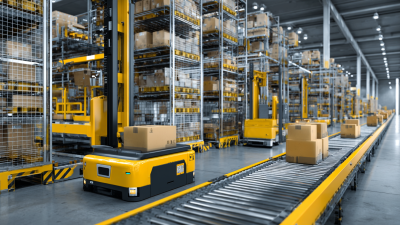
The integration of advanced technologies such as nanophotonics and artificial intelligence (AI) significantly enhances the performance of vertical carousel modules, promising to revolutionize space efficiency in storage systems. By leveraging nanophotonics, companies can optimize lighting and energy consumption, which not only improves the operational efficiency of these systems but also extends their lifespan. Additionally, AI algorithms can streamline the management of inventory and enhance the speed of retrieval processes, making these solutions indispensable in modern logistics and warehouse operations.
Tips for Optimization:
- Utilize AI-Powered Analytics: Implement AI tools to analyze storage patterns and predict inventory needs, ensuring that the vertical carousel modules operate at maximum efficiency.
- Invest in Nanophotonic Solutions: Explore nanophotonics applications to enhance illumination systems within carousels, reducing energy costs while improving visibility and speed in operations.
- Regular Maintenance Checks: Conduct routine inspections and maintenance on vertical carousel modules to identify potential issues before they disrupt workflow, maintaining consistent performance.
These innovations point towards a future where warehouse operations can achieve unprecedented levels of efficiency and cost-effectiveness. As companies continue to adopt these technologies, the overall landscape of logistics and storage solutions is bound to evolve.
Best Practices for Maintenance and Optimization of Vertical Carousel Systems
Maintaining and optimizing vertical carousel systems is essential for maximizing space efficiency and ensuring smooth operation. Regular maintenance should begin with routine inspections of the carousel's mechanical components. This includes checking the drive motors, belts, and bearings for wear and tear. Implementing a preventive maintenance schedule can significantly reduce downtime and extend the lifespan of the system. Proper lubrication of moving parts is critical, as it minimizes friction and prevents premature failure.
Moreover, optimizing the layout of the stored items can greatly enhance the efficiency of vertical carousels. Ensuring that heavier items are placed on lower tiers can improve accessibility and reduce the risk of injury during operation. It’s also beneficial to conduct regular audits of inventory placement to eliminate wasted space, allowing for the most efficient use of the carousel's capacity. Training staff on best practices for loading and unloading items can lead to better organization and quicker retrieval, further optimizing performance in high-demand scenarios.
2025 How to Optimize Vertical Carousel Modules for Maximum Space Efficiency - Best Practices for Maintenance and Optimization of Vertical Carousel Systems
| Aspect |
Best Practices |
Frequency |
Impact on Efficiency |
| Routine Maintenance |
Inspect and clean components, lubricate moving parts |
Monthly |
Increases operational reliability |
| Load Optimization |
Adjust container sizes and distribution of items |
Quarterly |
Maximizes storage capacity |
| Software Updates |
Install the latest software versions for controls |
Biannually |
Enhances performance and features |
| Employee Training |
Regular sessions on system operations |
Annually |
Reduces downtime and errors |
| Data Analytics |
Monitor usage patterns for optimization |
Continuous |
Increases overall efficiency |

 +8618862309186
 CONTACT NUMBER
 CONTACT NUMBER
 CONTACT NUMBER