2026 How to Optimize Warehouse Storage Process for Efficiency?
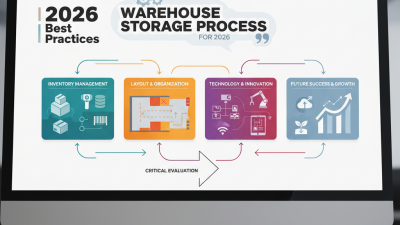
In today’s fast-paced supply chain landscape, optimizing the Warehouse Storage Process is crucial for business success. Efficiency in warehouse operations can significantly impact overall productivity and profitability. Companies must recognize the importance of thoughtful storage solutions that meet their operational needs.
Inventory turnover rates are vital indicators of efficiency. Slow-moving items often take up valuable space, leading to unnecessary costs. This presents a challenge: How can organizations manage storage to improve flow? It becomes essential to assess storage methods, layout designs, and inventory management systems.
Utilizing advanced technologies, such as automation and data analytics, can enhance the Warehouse Storage Process. However, not all businesses are equipped to implement these solutions seamlessly. Companies should regularly review their processes for areas of improvement. By addressing inefficiencies, businesses can create a more streamlined operation, despite the inherent complexities they may face.

Understanding Warehouse Storage Fundamentals for Optimal Efficiency
Understanding warehouse storage fundamentals is crucial for ensuring optimal efficiency. Efficient storage allows businesses to reduce costs, improve speed, and enhance customer satisfaction. Effective organization is central. By implementing effective strategies, a warehouse can maximize its potential.
Consider the layout. An optimized warehouse layout streamlines operations. Designate specific areas for different products. This not only minimizes retrieval time but also helps in easy restocking. Clear labeling improves identification. It reduces the chances of errors and speeds up the picking process.
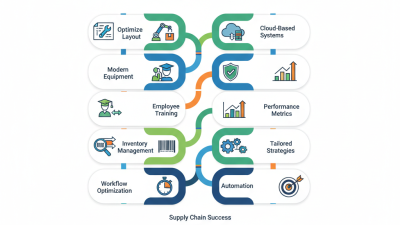
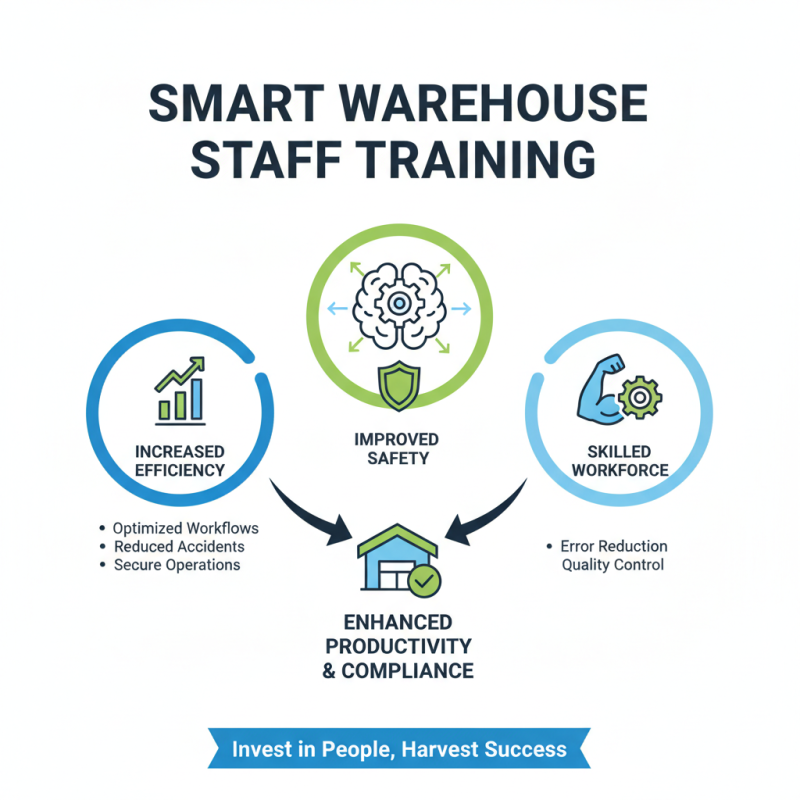
Tips: Regularly audit your storage process. Identify bottlenecks and areas for improvement. Train staff on efficient practices. Cross-training can create versatility and ensure smooth operations. Investing in technology like warehouse management systems is also beneficial. They provide real-time data and analysis.
Yet, many warehouses still struggle with overcrowding. A cluttered space can hinder productivity. Reflect on the inventory levels and make adjustments. Excess stock can waste valuable space. Balancing stock levels with demand is essential for efficiency. Keeping a close eye on trends helps maintain this balance.
2026 How to Optimize Warehouse Storage Process for Efficiency?
| Storage Method |
Efficiency Rating (1-10) |
Optimal Use Case |
Space Utilization (%) |
Order Fulfillment Speed (hrs) |
| Selective Racking |
7 |
High SKU Variety |
80 |
1.5 |
| Drive-In Racking |
9 |
Bulk Inventory |
90 |
2.5 |
| FIFO Racking |
8 |
Perishable Goods |
75 |
2.0 |
| Automated Storage |
10 |
High Volume Items |
95 |
1.2 |
| Cantilever Racking |
8 |
Long Items |
70 |
3.0 |
Assessing Current Warehouse Layout and Storage Solutions
Assessing your current warehouse layout is crucial for optimizing storage processes. Begin by evaluating how space is utilized. Count the aisles, shelves, and bins. Is there enough room for forklifts? Are items easy to access? These basic questions can reveal inefficiencies.
Consider the arrangement of goods. Grouping similar items together can speed up picking times. However, relying solely on this method might lead to overcrowded sections. Regularly analyze the flow of goods. Are some areas neglected? Identifying such hotspots can help in redistributing inventory better.
Utilize technology for an in-depth analysis. Inventory management systems can provide insights into stock levels and movement. Yet, remember that technology alone won't resolve inefficiencies. Staff training is essential. They must understand the layout and how to navigate it effectively. Balancing technology with human input often leads to improved efficiency.
Implementing Technology and Automation in Storage Processes
In recent years, the implementation of technology in warehouse storage processes has gained traction. According to a report by Deloitte, automation can increase productivity by up to 30%. This statistic underscores the potential benefits of integrating advanced systems. Automation not only accelerates the picking and packing processes but also reduces human error. These systems can include robotics, automated storage and retrieval systems (AS/RS), and real-time inventory tracking.
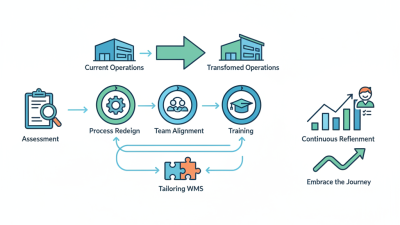
However, challenges remain. Many warehouses still rely heavily on manual processes, which can slow operations. Around 50% of organizations report a lack of skilled workers to operate these advanced systems. Training employees on new technologies is crucial. A seamless transition requires careful planning and investment in human resources. Not every warehouse is ready for automation, as infrastructure may need significant upgrades.
Furthermore, data reveals that 85% of companies fail to fully capitalize on automation's potential. This indicates a gap in execution. Companies must evaluate their specific needs before investing. Tailoring technology solutions to fit the unique characteristics of each warehouse can enhance efficiency. Understanding these complexities is essential for optimizing storage processes moving forward.
Utilizing Data Analytics for Inventory Management Improvements
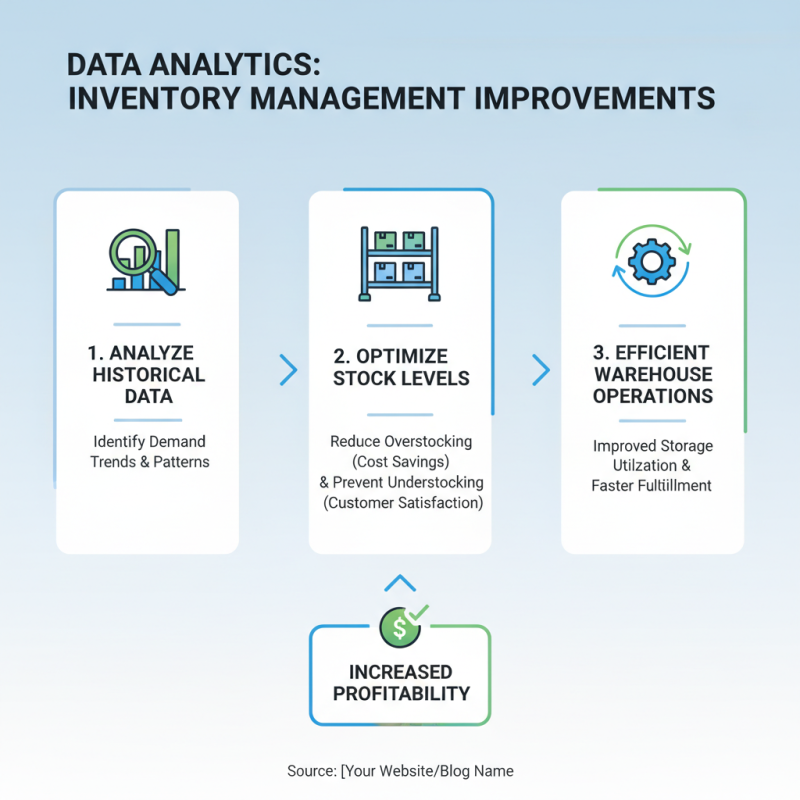
Data analytics plays a pivotal role in optimizing warehouse storage processes. By leveraging detailed insights, businesses can greatly improve inventory management. Analyzing historical data helps identify trends in demand, allowing warehouses to adjust stock levels accordingly. This practice minimizes overstocking and understocking issues, leading to a more efficient storage system.
Tips for effective data analytics include regularly auditing inventory and updating the database. Ensure your data is accurate and reflects real-time changes. Visualization tools can also assist in interpreting complex data sets. Consider adopting metrics like turnover rates to gauge performance. These strategies help in making informed decisions, reducing waste, and enhancing overall workflow.
While implementing data analytics, challenges may arise. Some data may be outdated or inconsistent. It's vital to establish a reliable data collection process. Regularly review your analytics strategies to identify areas for improvement. This proactive approach ensures the system remains effective over time, fostering a culture of continuous enhancement.

 +8618862309186
 CONTACT NUMBER
 CONTACT NUMBER
 CONTACT NUMBER