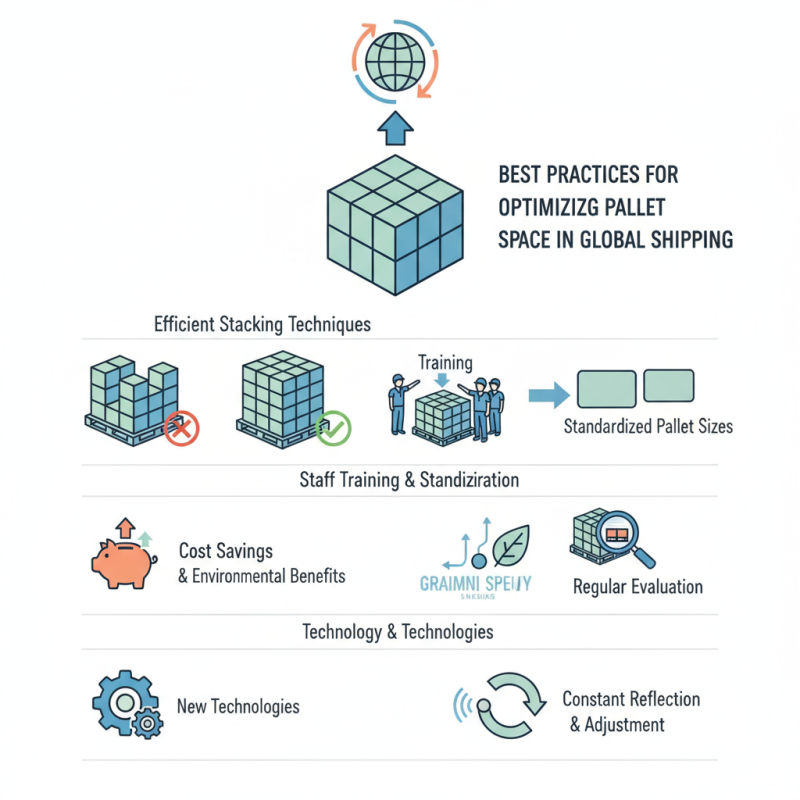
Best Practices for Optimizing Pallet Space in Global Shipping?
In today’s competitive global shipping landscape, optimizing pallet space is crucial for efficiency. According to logistics expert Tom Green, “Utilizing every inch of pallet space can save companies thousands annually.” Effective pallet space management can significantly reduce shipping costs and enhance overall supply chain efficiency.
Many companies struggle with pallet space optimization. Some common challenges include poor stacking techniques and inadequate training for staff. These issues can lead to wasted space and increased shipping expenses. By implementing better strategies, such as standardizing pallet sizes and training employees, organizations can improve outcomes.
Pallet space is often overlooked yet holds immense value. A strategic approach fosters both cost savings and environmental benefits. Companies should regularly evaluate their pallet usage and explore new technologies that aid in maximizing space. The journey to optimize pallet space is ongoing, demanding constant reflection and adjustment.
Understanding Pallet Configuration and Dimensions for Efficient Shipping
Understanding how to configure pallets for global shipping is crucial. Proper pallet dimensions can greatly impact freight costs. Different regions have varied pallet sizes. Knowing these dimensions allows for better space utilization.
Pallets need to be loaded efficiently. Each layer should match the pallet’s size to avoid wasted space. Overhanging items can lead to damage during transport. Stacking materials vertically can save space but requires careful balance. Strapping or wrapping products securely is also essential to prevent shifting.
Analyzing your pallet configuration regularly is important. Are there gaps in your loading pattern? Are you using the correct pallet size for your cargo? Reflecting on these questions can reveal areas for improvement. Inefficiencies may lead to increased shipping costs. Regular assessments will help optimize your pallet space effectively.
Best Practices for Optimizing Pallet Space in Global Shipping
| Pallet Type |
Dimensions (L x W x H in inches) |
Max Load (lbs) |
Weight (lbs) |
Optimal Configuration (Units) |
| Standard Wood Pallet |
48 x 40 x 6 |
3000 |
46 |
30 |
| Plastic Pallet |
48 x 40 x 5 |
2500 |
30 |
28 |
| Euro Pallet |
47.2 x 31.5 x 5.5 |
2200 |
44 |
24 |
| Half Pallet |
48 x 20 x 6 |
1200 |
22 |
15 |
| Custom Pallet |
60 x 48 x 6 |
3500 |
55 |
35 |
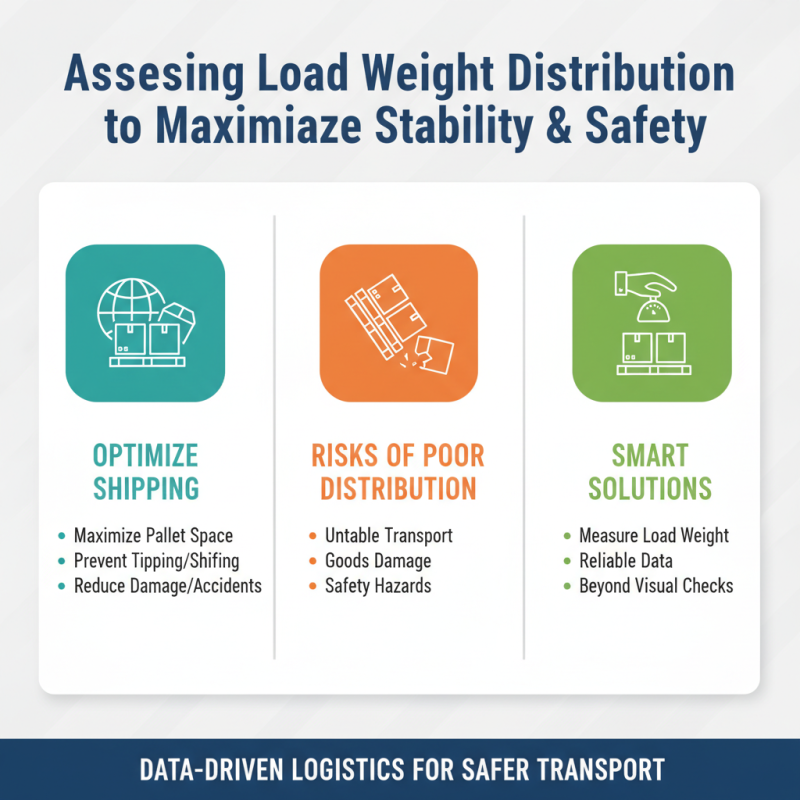
Assessing Load Weight Distribution to Maximize Stability and Safety
When optimizing pallet space in global shipping, load weight distribution is crucial. A well-distributed load ensures stability and safety during transport. Overloading one side of a pallet can lead to tipping or shifting. This instability may result in damage to goods or accidents during movement. Relying solely on visual inspections might not be enough. Measuring load weight can provide more reliable data.
Consider the positioning of heavier items. Placing weighty products at the bottom helps lower the center of gravity. This technique enhances stability. However, even with this method, some may underestimate how minor shifts affect balance. For instance, a slight change in load distribution could lead to significant issues. Regular audits of past shipments can reveal patterns in stability-related problems.
Additionally, the use of corner posts and shrink wrap can enhance load security. Using these materials helps to hold items together. Yet, it’s important to consider the right balance. Over-wrapping could cause stress on certain items. Understanding material strength and weight limits is vital. Reflecting on these practices can foster better compliance and safety in future operations.
Utilizing Standardized Pallet Sizes for International Compatibility
Utilizing standardized pallet sizes in global shipping enhances efficiency significantly. Different countries often have varying pallet dimensions. However, adopting internationally recognized sizes can streamline operations. This practice allows for better compatibility across logistical systems.
For instance, the Euro pallet measures 1200mm x 800mm. This size is widely used in Europe, facilitating seamless transitions between transport methods. Similarly, the North American pallet, measuring 1219mm x 1016mm, dominates the U.S. market. This standardization minimizes the complexities that arise from mismatched pallet sizes.
While standardization is beneficial, challenges exist. Not every business may have the capability to align with these standards. Companies must invest in training and infrastructure to accommodate these larger pallet sizes. Some may struggle with transitioning from custom sizes, leading to wasted space. Each organization should weigh the benefits of compliance against their specific needs.
Best Practices for Optimizing Pallet Space in Global Shipping
This chart represents the space efficiency of different pallet configurations when optimized for global shipping. The data reflects the maximum load capacity in cubic meters for various standardized pallet sizes.
Implementing Advanced Load Securing Techniques to Prevent Shifting
Implementing advanced load securing techniques is vital in preventing shifting during global shipping.
According to industry reports, nearly 30% of cargo damage results from
improper load securing. This statistic highlights the importance of adopting best practices in pallet optimization
and load management.
Using edge protectors and load bars can significantly enhance cargo stability.
These tools help distribute weight evenly across the pallet, minimizing movement during transit. In a study by the International Cargo Security Council,
properly secured loads reduced damage claims by up to 50%. This not only saves costs but
also improves client trust in shipping operations.
However, the approach toward securing loads can be complex. Overlooking specific details, such as weight distribution and securing methods,
can lead to serious issues. For instance, relying solely on straps may not be enough if the pallet is not balanced. Companies must regularly assess
their techniques and train staff on the latest methods. Continuous improvement is essential in keeping cargo safe and optimizing
pallet space efficiently.
Leveraging Technology for Real-Time Inventory Tracking and Space Management
In global shipping, technology plays a crucial role in inventory tracking and space management. Real-time data allows companies to optimize pallet space effectively. Software solutions can calculate the most efficient stacking and arrangement. This can minimize wasted space and reduce shipping costs. Tracking systems provide visibility into inventory levels, ensuring better space utilization.
However, not all companies have adopted these technologies. Some still rely on outdated methods, leading to inefficiencies. Poor visibility can result in overstocking or stockouts. This highlights the importance of investing in technology to improve decision-making. Regular audits of space usage can also identify patterns and areas for improvement.
Integrating advanced analytics can further enhance performance. By analyzing shipping data, companies can predict trends and adjust strategies. This proactive approach can turn potential pitfalls into opportunities. The ongoing need for adaptation and reflection in logistics remains essential. Embracing change fosters a culture of continuous improvement in optimizing pallet space.

 +8618862309186
 CONTACT NUMBER
 CONTACT NUMBER
 CONTACT NUMBER