Top Tips for Optimizing Pallet Space in Warehousing and Logistics?
In the world of warehousing and logistics, optimizing pallet space is crucial for efficiency. Expert John Sullivan, a longtime consultant in supply chain management, once stated, "Maximizing pallet space can revolutionize warehousing operations." His insight highlights the significance of effective space utilization.
Managing pallet space often involves strategic planning and execution. Companies face the challenge of packing goods efficiently while maintaining accessibility. Each inch of pallet space is valuable. Inefficient layouts can lead to wasted time and resources. This issue affects both small and large facilities, where every square foot counts.
Reflecting on industry practices, it’s clear that many organizations struggle with pallet space optimization. Some utilize outdated techniques. Others might prioritize speed over efficiency. Finding the right balance is essential for success. Further, understanding the roles of technology and team training can lead to significant improvements. Ultimately, mastering pallet space can transform logistics operations and enhance overall profitability.
Understanding the Importance of Efficient Pallet Space Utilization
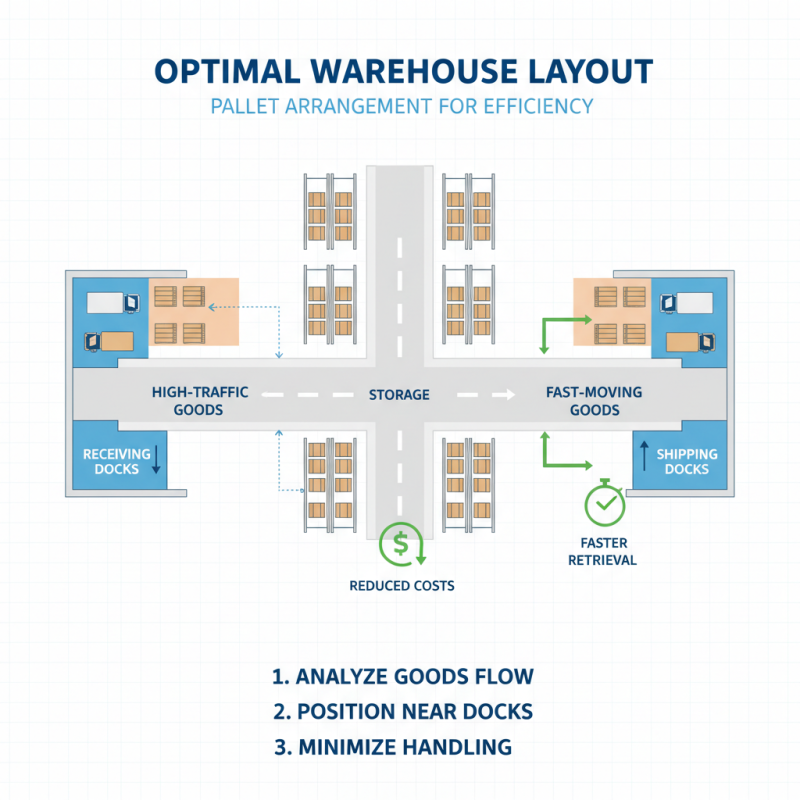
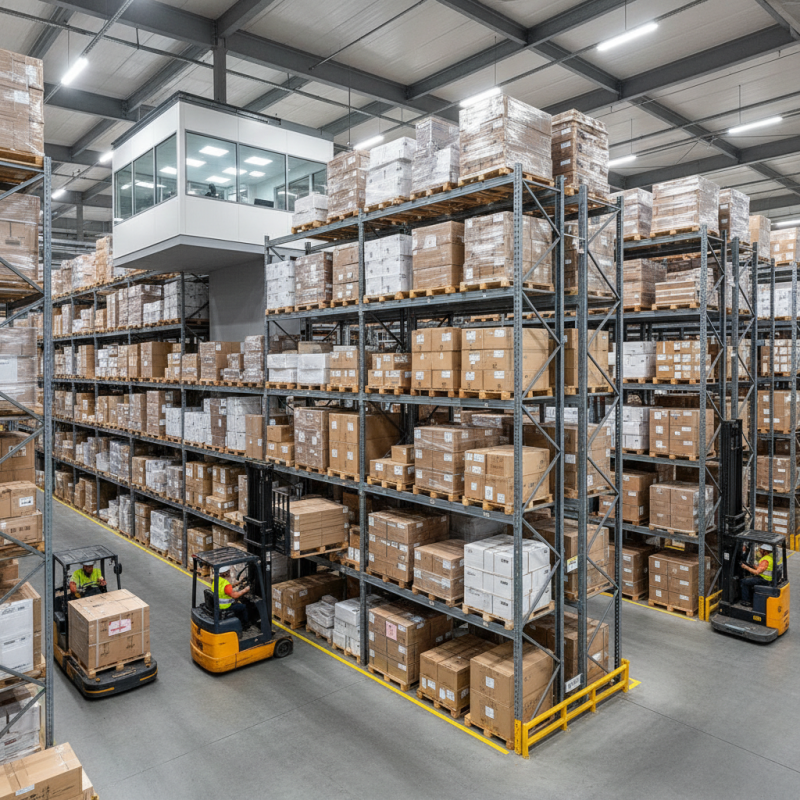
Efficient pallet space utilization is vital in warehousing and logistics. According to the Warehousing Education and Research Council, warehouses can increase storage capacity by 30% through better pallet positioning. This means maximizing vertical space and reducing aisle widths can lead to significant savings and smoother operations.
Many warehouses still struggle with inefficient setups. For instance, over 40% of warehouses do not fully utilize vertical space. This oversight can lead to unnecessary expenses. Poorly arranged pallets often result in wasted time during picking and shipping. Studies show that improving warehouse layout can reduce labor costs by up to 25%.
In addition, regular audits can identify space wastage. Encouraging workers to optimize placements fosters a culture of efficiency. Investing in training can yield long-term benefits. Many organizations underestimate the impact of proper pallet stacking, affecting inventory accuracy and operational flow.
Optimizing Pallet Space in Warehousing and Logistics
Choosing the Right Pallet Size and Type for Your Inventory
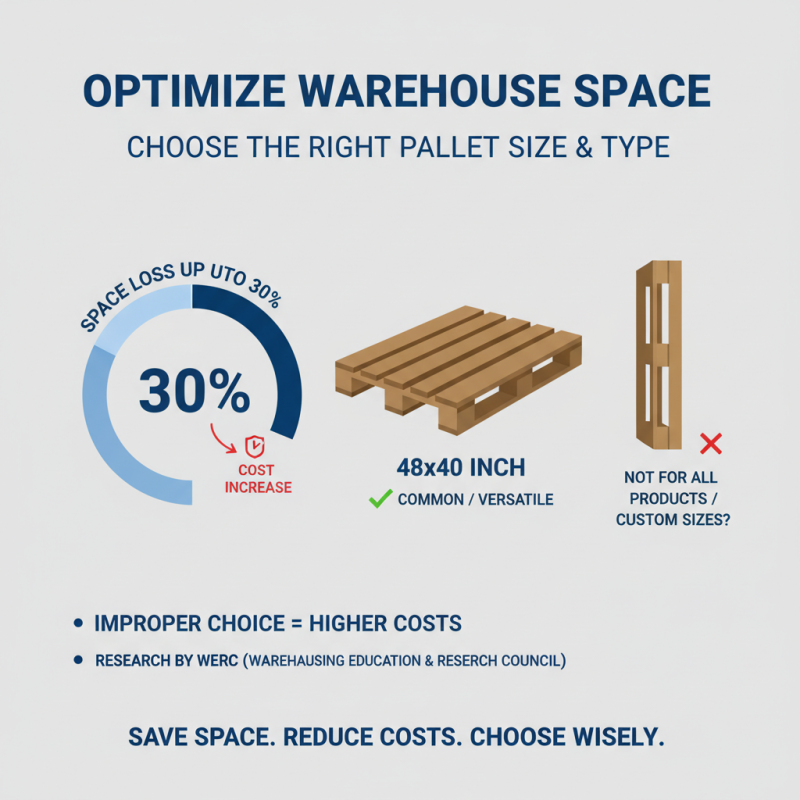
Choosing the right pallet size and type for your inventory is crucial in warehousing and logistics. According to a recent study by the Warehousing Education and Research Council, improper pallet choices can lead to a space loss of up to 30%. This can significantly increase costs over time. Standard sizes like the 48x40 inch pallet are widely used, but it may not fit all products.
Understanding the dimensions of your products is essential. If you stock small, lightweight items, a Euro pallet (40x30 inches) may be more efficient. Alternatively, heavier products may require heavy-duty pallets. The wrong choice can lead to instability and damage. A report from Material Handling Industry shows that optimizing pallet selection can improve storage density by 20%.
Assessing your inventory is necessary. Not all pallets are created equal. Some materials, like plastic, may offer better durability and hygienic benefits compared to wood. Issues may arise when transitioning to new pallet types. Staff training is vital to ensure proper handling and movement. Recognizing these areas can lead to better space management and cost efficiency.
Implementing Advanced Inventory Management Systems
Implementing advanced inventory management systems can significantly enhance pallet space optimization in warehousing and logistics. These systems provide real-time data on stock levels and product turnover. By analyzing this data, businesses can identify which items should be prioritized. This helps reduce wasted space caused by overstocking.
Moreover, advanced inventory management can automate reordering processes. This ensures that popular items remain in stock, preventing backlogs. However, relying solely on technology can lead to pitfalls. It’s essential to regularly review inventory practices to ensure efficiency. Without periodic assessments, businesses risk overlooking slow-moving stock that occupies valuable pallet space.
Additionally, utilizing strategies like ABC analysis can further refine stock management. This method categorizes items based on their importance and turnover rates. While it’s effective, not all companies adopt this fully. Some may struggle due to lack of familiarity with the system. Improvement requires training and commitment to change. This effort is necessary for maximizing storage capacity and overall warehouse efficiency.
Utilizing Technology for Real-Time Space Monitoring and Optimization
Effective space utilization is critical in warehousing and logistics. Technology plays a key role in optimizing pallet space. Real-time monitoring systems provide insights into space usage, helping businesses maximize efficiency. According to industry reports, companies using advanced tracking tools can improve their space efficiency by up to 30%. These tools analyze patterns in inventory movements.
Imagine a warehouse with outdated tracking methods. It could lead to wasted space and increased costs. Real-time data allows for immediate adjustments. For example, cloud-based solutions can notify staff when storage capacity approaches its limit. Reports suggest that real-time inventory management reduces errors and accelerates restocking processes. The integration of automated systems often improves overall workflows.
However, relying solely on technology isn't enough. Staff training is essential. A system can be perfect, but if employees can't use it effectively, mistakes happen. Regular assessments and feedback must be part of this optimization journey. Reports indicate that 20% of workers struggle with new technologies. Awareness of this can guide improvements. Balancing tech solutions with human capability creates a more efficient warehousing environment.
Top Tips for Optimizing Pallet Space in Warehousing and Logistics
| Tip No. |
Optimization Strategy |
Technology Used |
Expected Benefit |
| 1 |
Implement Vertical Storage |
Warehouse Management System (WMS) |
Increased storage capacity |
| 2 |
Use of Automated Storage and Retrieval Systems |
Robotic Automation |
Reduced labor costs |
| 3 |
Real-time Space Monitoring |
IoT Sensors |
Optimized inventory tracking |
| 4 |
Optimize Pallet Configuration |
3D Palletization Software |
Maximized pallet space usage |
| 5 |
Frequent Space Assessment |
Data Analytics Tools |
Improved layout planning |

 +8618862309186
 CONTACT NUMBER
 CONTACT NUMBER
 CONTACT NUMBER