+8618862309186


A Racked Warehouse is more than a building filled with steel frames. It is a carefully planned storage system that uses vertical space, pallet positions, and controlled travel paths. In a typical facility, forklifts place pallets into horizontal beams supported by upright frames. Workers then retrieve goods according to inventory rules, product demand, and safety procedures.
The scale is significant. The 2024 MHI Annual Industry Report identifies labor availability, inventory visibility, and operational efficiency as continuing supply-chain pressures. A properly designed Racked Warehouse can address these pressures by increasing cubic storage capacity and reducing unnecessary movement. The result is measurable space, not magic. A narrow aisle can hold more pallets, but it may also require specialized equipment and better operator training.
Rack safety specialist John Nofsinger of the Rack Manufacturers Institute has emphasized, “A rack system is a structural system, not furniture.” That distinction matters. Every beam, anchor, load sign, and upright must work together under real operating conditions. OSHA guidance also stresses inspection, training, and safe material-handling practices.
This article explains how a Racked Warehouse works, from layout planning to pallet retrieval. It also examines selective, drive-in, and automated rack systems. The right choice depends on product dimensions, turnover, floor height, and budget. Higher density is not always better. A design that looks efficient on paper may slow picking during peak hours. That is where practical experience becomes essential.
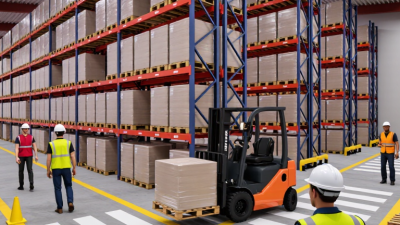
A racked warehouse stores goods in vertical steel structures instead of leaving pallets on the floor. Each pallet has a planned location, often identified by aisle, bay, and level. Forklifts place loads into rack positions and retrieve them when orders arrive. The design increases storage density while preserving clear travel paths for people and equipment.
According to the 2024 MHI Annual Industry Report, 55% of supply chain professionals increased technology investment during the previous two years. That shift supports barcode scanning, warehouse management systems, and automated storage equipment. Still, technology does not repair poor layout decisions.
A practical racked warehouse matches rack depth, pallet weight, ceiling height, and forklift reach. Selective pallet racks offer direct access to every load. Drive-in systems store more pallets but provide less selectivity.
Safety depends on disciplined daily work. The U.S. Occupational Safety and Health Administration requires pallet racks to remain stable, properly loaded, and protected from impact. The Health and Safety Executive reports that workplace transport incidents cause about 25% of fatal workplace injuries in Great Britain. A damaged upright, leaning pallet, or blocked aisle can create serious risk quickly.
Inspectors should check beams, frames, anchors, labels, and floor conditions. Small failures matter.
Racking is not automatically efficient. A warehouse may gain capacity but lose picking speed. In practice, the best layout often requires repeated measurement, testing, and revision.
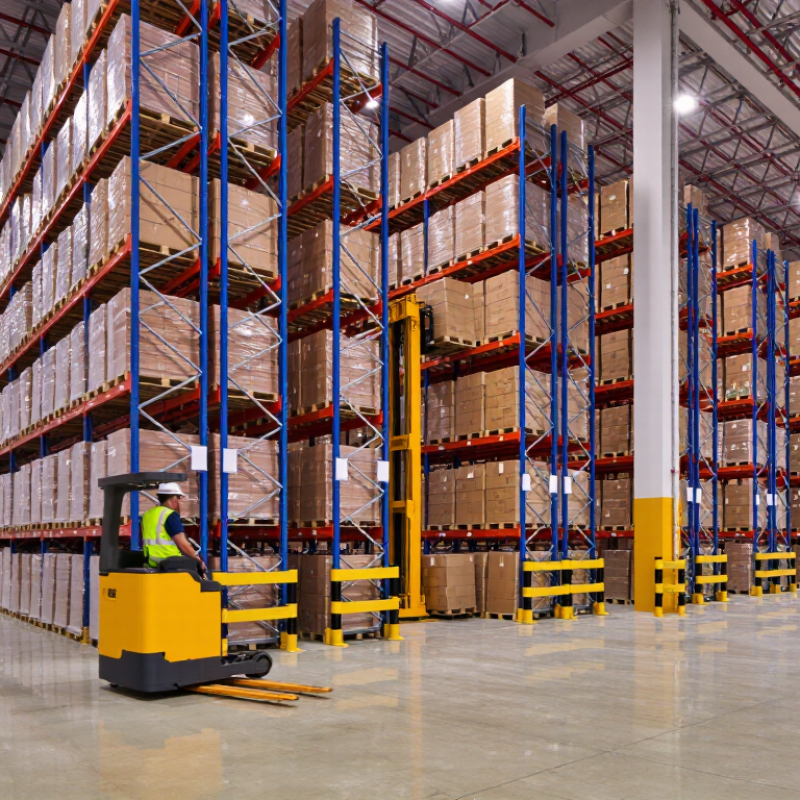
A racked warehouse uses a planned framework to store goods vertically. Its structure usually includes upright frames, horizontal beams, wire decks, and protective guards. Upright frames carry the weight downward. Beams connect them and create storage levels. Together, they form rack bays with clearly defined dimensions.
Each bay has a rated load capacity. This rating depends on beam length, material strength, frame height, and the spacing between levels. Warehouse teams should record these details before placing inventory. Heavier pallets belong on lower levels whenever practical. This reduces handling risk and limits the effects of accidental impact. Aisles must also provide enough clearance for forklifts, workers, and emergency access. Small measurements matter.
The system works through a controlled storage pattern. Pallets enter an aisle, move into a selected bay, and remain identified by location. Labels, inventory records, and regular checks help prevent misplaced goods. Selective racks offer direct access to each pallet, while denser systems reduce access but increase capacity. The best choice depends on product turnover and available floor space. It is not always perfect. Fast-moving goods may still end up too far from dispatch. Teams should review travel distances, damaged components, and changing stock levels regularly. Bent frames, missing pins, or overloaded beams require immediate attention. A rack can look stable and still need correction.
Warehouse racking systems organize pallets vertically on horizontal beams supported by upright frames. The aisle width depends on the rack design and the equipment used to retrieve stored goods.
The chart shows representative planning values for clear aisle width. Selective pallet racks usually require wider aisles for conventional forklifts, while very-narrow-aisle systems use specialized equipment and tighter spacing. Actual dimensions must be confirmed against pallet size, forklift specifications, building columns, fire protection, and local safety regulations.
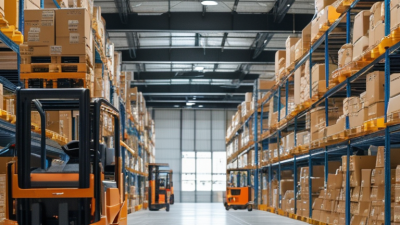
A racked warehouse moves goods vertically, not merely across a floor. Receiving staff scan each pallet, check its condition, and assign a storage location. A warehouse management system then guides putaway. Forklifts place cartons into selective racks, while fast-moving stock stays closer to packing stations. The process looks simple. It is not.
During an order, the system releases tasks according to stock location, priority, and equipment availability. A picker travels through marked aisles, scans the location, and confirms each item. Replenishment workers refill forward-pick slots before they become empty. Completed orders move to checking, packing, staging, and dispatch.
The 2024 MHI Annual Industry Report found that 55% of supply chain leaders planned to increase investment in innovation. That shift reflects a practical need: better data can reduce travel, delays, and preventable handling.
Human judgment still matters. A barcode may scan correctly while the carton is damaged, misplaced, or counted incorrectly. The 2023 Distribution Center Measures Report places typical order-picking accuracy near 99.5%, leaving thousands of possible errors across large order volumes. One wrong case can stop a shipment. Aisle congestion creates another weakness. That assumption deserves challenge.
Supervisors should review scan exceptions, rack inspections, replenishment timing, and picker feedback every day. Racking improves capacity, but disciplined movement makes the warehouse dependable.
A racked warehouse uses vertical steel structures to store pallets, cartons, or long materials. The right racking type depends on product size, turnover, access, and handling equipment. Selective pallet racking offers direct access to every pallet. It suits mixed inventories and frequent order changes. Drive-in racking increases density by reducing aisles. It works better for stable products with fewer stock-keeping units. Pallet-flow racking uses rollers and gravity. It supports first-in, first-out rotation for food, medicine, and date-sensitive goods. Cantilever racking handles timber, pipes, furniture, and other long loads. Its open arms make loading easier.
Technology is changing rack design. MHI’s 2024 Annual Industry Report states that 55% of surveyed supply-chain organizations use cloud computing. This shift supports better inventory visibility and slotting decisions. However, software cannot correct unsafe loading. OSHA guidance emphasizes visible load limits, inspections, and protection from forklift impact. In practical warehouse audits, damaged uprights and uneven pallets remain common warning signs. A beautiful layout can still fail operationally.
Tips: Match rack depth to pallet dimensions, not available floor space. Keep fast-moving products near dispatch doors. Mark beam capacities clearly. Leave safe aisle clearance for turning equipment. Recheck the design after product sizes change. That small review matters. Overlooking it is an easy mistake.
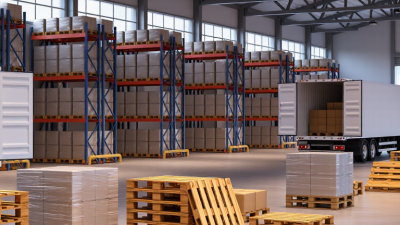
A racked warehouse uses steel frames and beams to store pallets vertically. This design increases capacity without expanding the building footprint. Forklifts place pallets into adjustable levels, while aisles provide controlled access for loading and retrieval. Clear load ratings should remain visible on every rack section.
Safety depends on daily discipline. Workers should inspect uprights, beams, anchors, and pallet condition before operations begin. A bent frame, loose anchor, or leaning pallet needs immediate attention. Keep pedestrian paths separate from forklift routes where possible. Floor markings, protective barriers, and adequate lighting reduce avoidable contact. Small details matter.
Maintenance records should include inspection dates, damage reports, repairs, and responsible personnel. Cleaning beneath racks also prevents debris from affecting wheels and emergency access. Space optimization is not simply adding more levels. Designers must protect sprinkler clearance, aisle width, turning space, and safe working height. I have seen layouts gain storage space but lose practical access. That trade-off deserves another review. No layout is perfect. Seasonal inventory changes may require beam adjustments, revised slotting, or wider access points. Using vertical space wisely means balancing density with visibility, stability, and human movement.