+8618862309186


In today's rapidly evolving supply chain landscape, effective WMS implementation is crucial. A Warehouse Management System (WMS) streamlines operations and enhances efficiency. However, the journey to successful WMS implementation can be daunting.
Many organizations face challenges during this process. Common pitfalls include inadequate planning and lack of employee training. These issues can undermine even the best systems. Understanding key strategies is essential for overcoming these hurdles.
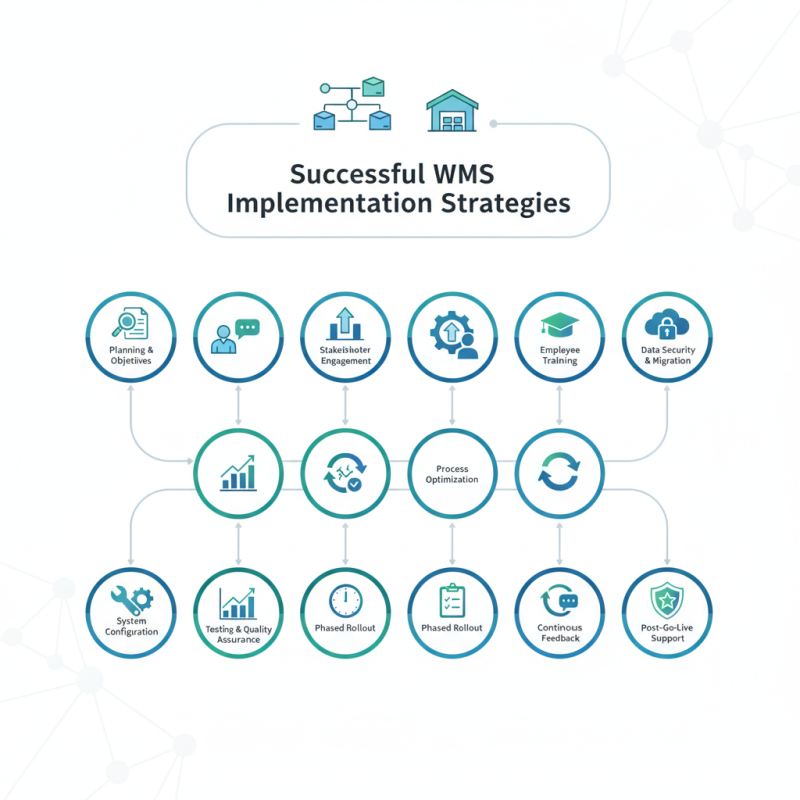
This guide presents the top ten tips for successful WMS implementation. By leveraging expert insights, you can navigate complexities and improve outcomes. Focus on clear objectives, stakeholder engagement, and continuous feedback. With careful consideration, your WMS implementation can lead to significant improvements.
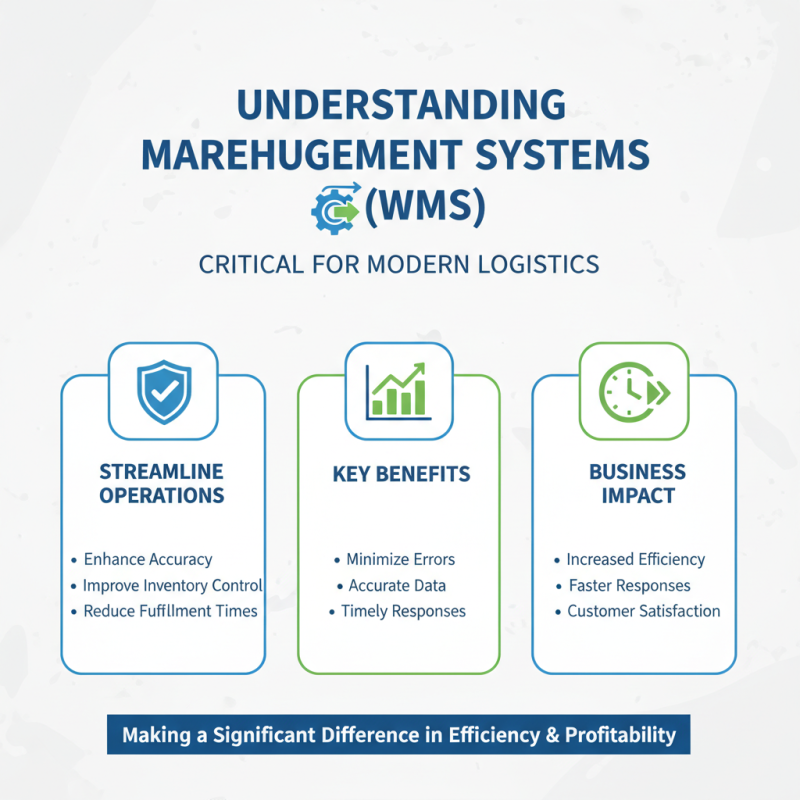
Warehouse Management Systems (WMS) are critical for modern logistics. These systems streamline operations, enhance accuracy, and improve inventory control. Understanding their role can make a significant difference in efficiency. A well-implemented WMS can reduce order fulfillment times and minimize errors. Businesses thrive on accurate data and timely responses.
Implementing a WMS is not without challenges. Many organizations face resistance from staff. Training and communication are essential for a smooth transition. Employees may feel overwhelmed by new technology. Seeking their input can foster acceptance and success. Monitoring the implementation process allows for real-time adjustments.
Adapting a WMS to specific business needs can prove complex. Customization is often necessary, but it requires investment and time. Organizations need to openly assess their processes. Ensuring the system aligns with existing workflows is crucial. Frequent evaluations help identify gaps and uncover areas for improvement.

Planning a Warehouse Management System (WMS) implementation requires careful thought and strategy. A recent report from the Warehousing Education and Research Council (WERC) highlighted that approximately 70% of WMS implementations face challenges. These obstacles often stem from inadequate planning. A detailed needs assessment is essential. Understanding the specific needs of your operation can help tailor the WMS to fit your workflows.
Engaging stakeholders is also crucial. Involving team members at various levels can provide insights that enhance the system’s design and usage. A study by the Supply Chain Management Review found that organizations with stakeholder engagement report 25% higher satisfaction in their WMS implementation. Additionally, it’s vital to establish clear goals and metrics for success. This allows for measurable outcomes that can define the effectiveness of the new system.
Training is often overlooked. A lack of proper training can lead to underutilization of the system. Research indicates that companies investing in comprehensive training programs see a 40% increase in WMS adoption rates. Taking time to address potential gaps in skills can help ensure that your team is fully prepared for the transition. These focused steps can significantly improve the likelihood of a successful WMS implementation.
When implementing a Warehouse Management System (WMS), engaging essential stakeholders is crucial. A study by McKinsey found that 70% of WMS failures are linked to insufficient stakeholder involvement. Key players include warehouse staff, IT teams, and management. Each group brings unique insights. Their collaboration shapes successful strategies.
Warehouse staff are on the front lines. Their feedback on daily operations guides system customization. According to Logistics Management, involving these users in the planning phase boosts adoption rates by 60%. IT teams ensure system integration is seamless. Their expertise helps in troubleshooting and data management. Without them, the implementation may suffer from technical gaps.
Management plays a vital role in setting the vision. Their commitment signals the importance of WMS adoption. However, many overlook training and support for users. Inadequate preparation can lead to frustration. The Gartner Group highlights that 55% of WMS users report inadequate training as a barrier to effective use. Engaging all stakeholders early creates a shared vision. This approach not only improves chances of success but also enhances operational efficiency.
This bar chart illustrates the key factors affecting the adoption of Warehouse Management Systems (WMS) based on stakeholder feedback.
Training your team on Warehouse Management System (WMS) usage is crucial for successful implementation. Effective training goes beyond manuals. Hands-on experience can make a significant difference. Allow team members to engage with the system. Use real inventory data for practice sessions. This approach helps them understand the system's impact on daily tasks.
Fostering an open feedback culture is essential. Encourage team members to share their experiences and challenges. This can reveal unforeseen issues that the training might not cover. Regular check-ins can also help gauge their comfort level with the WMS. If employees feel confused, they may hesitate to ask questions. Addressing this can build confidence and competence.
Consider the diverse skill levels within your team. Not everyone may grasp WMS quickly. Tailor your training sessions to accommodate these differences. Break down complex functions into manageable parts. Use visual aids like videos or infographics for clarity. Reflecting on the training process can highlight areas for improvement. Continuous evolution of training materials can enhance overall proficiency. Emphasizing adaptability in training ensures that your team is always prepared.
| Tip Number | Tips | Description | Expected Outcome |
|---|---|---|---|
| 1 | Define Clear Goals | Establish specific objectives for the WMS implementation. | Alignment of team efforts and measurable success. |
| 2 | Involve Key Stakeholders | Engage all relevant departments in the planning process. | Buy-in from the team and smoother implementation. |
| 3 | Select the Right WMS | Choose a WMS that fits the specific needs of your business. | Increased efficiency and effectiveness of warehouse operations. |
| 4 | Provide Comprehensive Training | Conduct extensive training sessions for all users. | Higher user competency and reduced errors. |
| 5 | Use Real-world Scenarios | Incorporate live demonstrations and use case studies during training. | Better understanding and retention of the system usage. |
| 6 | Foster Open Communication | Encourage team members to share feedback and concerns. | Improved collaboration and continuous process improvement. |
| 7 | Monitor Progress Closely | Track implementation progress and make adjustments as needed. | Timely resolution of issues and staying on schedule. |
| 8 | Create a User Manual | Develop a comprehensive user guide for reference. | Self-sufficiency in training and troubleshooting. |
| 9 | Ensure Continuous Learning | Regularly update training materials and provide refresher courses. | Sustained proficiency and adaptation to system updates. |
| 10 | Celebrate Milestones | Recognize and reward team achievements throughout the process. | Boosted morale and encouraged teamwork. |
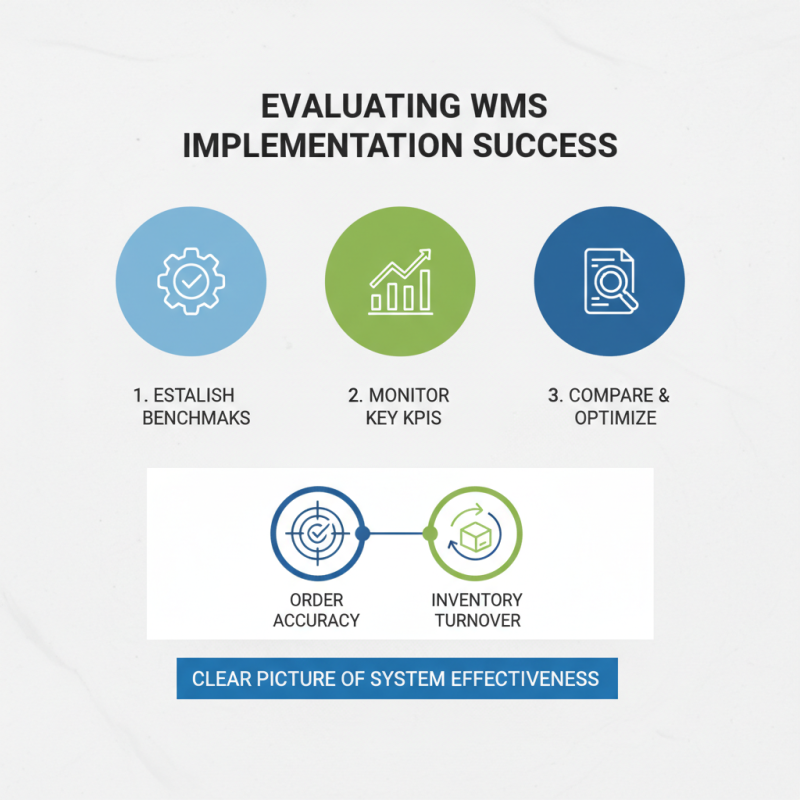
Evaluating the success of your Warehouse Management System (WMS) implementation is crucial. Consider key performance indicators (KPIs) like order accuracy and inventory turnover rates. These metrics provide a clear picture of your system's effectiveness. It’s essential to establish benchmarks before implementation for accurate comparison later on.
One common tip is to involve all stakeholders early in the process. Engaging teams from operations, IT, and management fosters a sense of ownership. Regular feedback loops help identify issues promptly. A failure to gather input can lead to resistance and a lack of trust in the new system.
Train your staff adequately. Investing in training ensures that employees are comfortable with the new WMS. Untrained users are likely to make mistakes, impacting overall productivity. An overlooked aspect is continuous education, which helps maintain system proficiency over time. Balancing immediate training needs with long-term learning can be tricky, yet vital for long-lasting benefits.