Top 10 WMS System Software Solutions for Global Buyers?
In the rapidly evolving world of logistics, choosing the right WMS System Software is crucial. Businesses are looking for efficient solutions to streamline operations. A robust Warehouse Management System (WMS) enhances inventory control and order fulfillment. As global buyers, the task of selecting the best software can be daunting.
This guide examines the top 10 WMS System Software solutions popular among enterprises. Each option offers unique features tailored to specific needs. These systems provide data-driven insights to improve decision-making. Companies may struggle with integration issues or scalability. Finding a solution that grows with your business is essential.
The insights provided here aim to empower decision-makers. Leveraging practical experiences from experts helps ensure reliability. Unexpected challenges often arise during implementation. Therefore, careful consideration of each software's pros and cons is vital. Ultimately, the right WMS System Software can transform a warehouse operation into a competitive advantage.

Overview of Warehouse Management System (WMS) Software Solutions
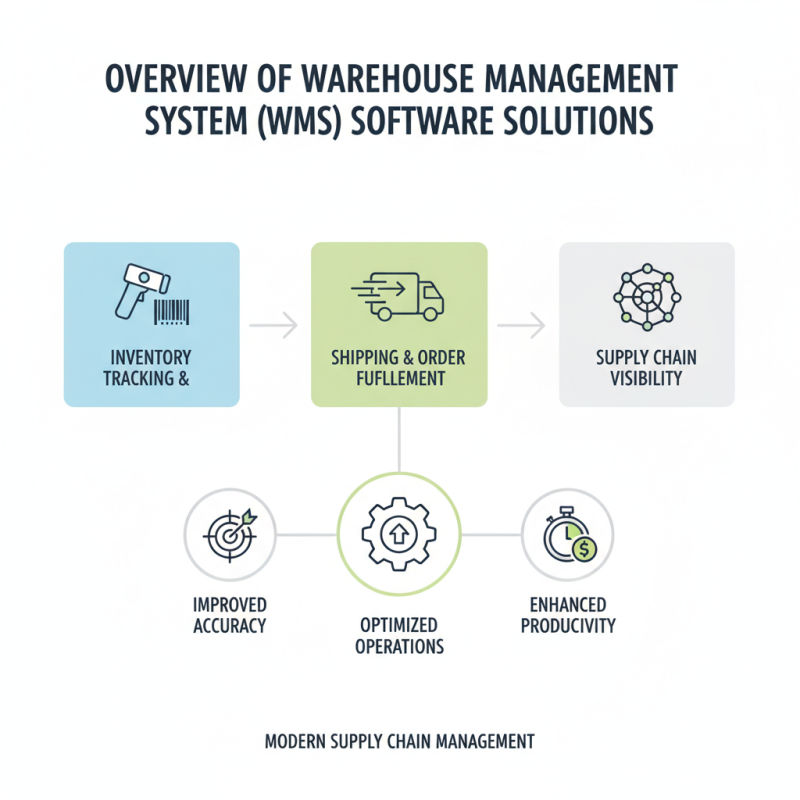
Warehouse Management System (WMS) software solutions play a crucial role in modern supply chain management. They help businesses optimize their warehouse operations. These systems can track inventory levels, manage shipping processes, and streamline order fulfillment. Users benefit from improved accuracy and enhanced productivity. A well-designed WMS enhances visibility across the supply chain.
However, selecting the right WMS is not always easy. Many options exist, each with unique features and functionalities. Decision-makers must evaluate their specific needs, such as scalability and integration capabilities. They should consider how these systems align with existing infrastructure. Conversations with peers and experts can reveal valuable insights and potential pitfalls.
In addition, ongoing support and training for staff are often overlooked. Even the best software requires user-friendly implementation. Companies need to identify gaps in their operations that a WMS could address. Regularly revisiting processes ensures that the chosen solution remains effective. Relying on automated systems should not replace critical thinking. Each business must adapt its approach to fully harness the potential of these systems.
Key Features to Look for in WMS Software for Global Operations
When selecting a Warehouse Management System (WMS) for global operations, certain key features can make all the difference. Efficient inventory management is crucial. A well-designed WMS should provide real-time visibility into stock levels. According to a report by Grand View Research, companies using WMS can reduce inventory errors by up to 40%. This capability is instrumental in minimizing overstock and stockouts, which can severely impact customer satisfaction.
Another essential feature is integration with existing systems. A flexible WMS should seamlessly connect with ERP, logistics, and fulfillment solutions. This integration streamlines processes and allows better data flow, making operations more efficient. Notably, a study from Research and Markets indicated that 75% of organizations reported improved efficiency after integrating WMS with their supply chain systems.
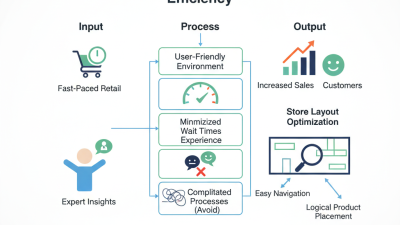
User accessibility is also vital. The interface should be intuitive. Training time should be minimal. Systems that are hard to navigate can slow down operations. A complex user interface may lead to a high error rate and wasted resources. A survey by Warehousing Logistics Management found that 78% of users prefer systems that allow for quick learning and operational integration. This preference demonstrates the need for user-friendly options in a global marketplace that demands agility and precision.
Top 10 WMS System Software Solutions for Global Buyers
| Feature |
Description |
Importance |
| Real-time Inventory Tracking |
Provides visibility of stock levels and location data in real-time. |
Crucial for managing supply chain efficiency. |
| Multi-location Support |
Ability to manage inventories across multiple warehouses. |
Essential for global operations. |
| Integration with ERP Systems |
Seamless integration with existing enterprise resource planning systems. |
Facilitates better data flow and management across departments. |
| User-friendly Interface |
Easy-to-navigate interface for less training time. |
Enhances employee productivity and reduces errors. |
| Mobile Access |
Access to the WMS via mobile devices for on-the-go management. |
Improves responsiveness and agility in warehouse operations. |
| Custom Reporting Tools |
Tools for creating tailored reports based on specific needs. |
Critical for data analysis and informed decision-making. |
| Automation of Warehouse Processes |
Automation features such as order picking, packing, and shipping. |
Increases operational efficiency and accuracy. |
| Scalability |
Ability to scale operations as the business grows. |
Important for long-term strategic growth. |
| Support and Training |
Availability of customer support and training resources. |
Ensures successful implementation and operation of the WMS. |
| Compliance and Regulatory Features |
Tools to support compliance with industry regulations. |
Critical for avoiding legal issues and maintaining standards. |
Comparative Analysis of Top 10 WMS Solutions Available in the Market
In today's competitive market, businesses seek efficient Warehouse Management Systems (WMS) to streamline operations. Selecting the right software requires careful analysis of various solutions. A comparative analysis helps uncover the strengths and weaknesses of different WMS systems.
Key factors to consider include ease of use, integration capabilities, and scalability. Some systems excel in real-time inventory tracking, enhancing accuracy. Others may lag in providing comprehensive reporting tools. User feedback is essential; it reveals the challenges faced during implementation and daily usage. A user-friendly interface can boost adoption, while complex features may hinder performance and user satisfaction.
Furthermore, consider the level of customer support offered. Reliable assistance can make a significant difference during critical times. Some solutions provide extensive resources and training, while others may fall short.
Evaluating these aspects can lead to more informed decisions, ensuring that the chosen WMS aligns well with organizational needs. An imperfect choice can lead to inefficiencies, underscoring the necessity for thorough research.
User Reviews and Case Studies of Leading WMS Software Implementations
Warehouse Management Systems (WMS) play a crucial role in optimizing supply chain operations. User reviews reveal that effective WMS implementations can increase efficiency by up to 30%. Many businesses report improved order accuracy after WMS adoption. However, not all systems meet expectations due to poor user training and integration issues.
Case studies highlight the importance of selecting the right WMS software. A common pitfall is underestimating the time required for staff to adapt to new systems. Companies that allocate adequate training time often see better results. It’s essential to ensure that the software aligns with specific operational needs. Feedback from real users can provide insights into the strengths and weaknesses of potential solutions.
Tips for successful WMS implementation include setting clear goals and regularly reviewing progress. Keep communication open between teams to address concerns quickly. Gathering user feedback can prevent future complications. Companies should also consider scalability to accommodate growth. Investing time in research will pay off in the long run, leading to a more effective supply chain.
Cost Considerations: Budgeting for WMS Software Solutions
When budgeting for WMS software solutions, it’s essential to consider multiple cost factors. A recent study from the Warehousing Education and Research Council indicates that effective WMS solutions can improve warehouse efficiency by up to 25%. However, these improvements often come with a price. Initial software costs typically range from $50,000 to $250,000, depending on the system complexity and features required.
Ongoing expenses contribute significantly to the total cost of ownership. Maintenance fees can average 15% to 20% of the initial investment annually. Training costs also play a vital role. According to a survey from Logistics Management, over 60% of companies reported that employee training on new systems was a crucial line item in their budget. These factors must not be overlooked, as underestimating training can lead to decreased productivity and a slow return on investment.
Integrating WMS with existing systems can add unexpected costs. Customizations often lead to additional expenses. Companies frequently encounter challenges during implementation, which could extend project timelines and budgetary constraints. Communication with stakeholders about these risks is crucial to avoid overspending and potential project delays. Planning for these variables can lead to a more realistic budget and a smoother implementation process.

 +8618862309186
 CONTACT NUMBER
 CONTACT NUMBER
 CONTACT NUMBER