Top 10 Vertical Carousel Modules for Efficient Storage Solutions?
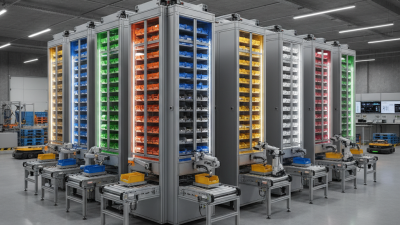
In today's fast-paced business environment, effective storage solutions are crucial. Vertical Carousel Modules have emerged as key players in optimizing space and efficiency. These systems can save up to 85% of floor space compared to traditional shelving. According to a report by the Warehousing Education and Research Council (WERC), well-designed storage systems can reduce labor costs by 30%, enhancing overall productivity.
Vertical Carousel Modules operate on a simple principle: goods are stored vertically and retrieved automatically. This not only maximizes vertical space but also minimizes the search time for items. In warehouse settings, the average retrieval time is reduced to seconds. However, while these systems offer innovative storage solutions, they may require a higher initial investment. Businesses must weigh long-term savings against upfront costs.
Despite their advantages, Vertical Carousel Modules are not without challenges. Proper installation and maintenance are critical for optimal performance. Companies must provide training to staff to avoid misuse and ensure efficiency. While the potential for improved operational efficiency is significant, thoughtful implementation is essential for success.
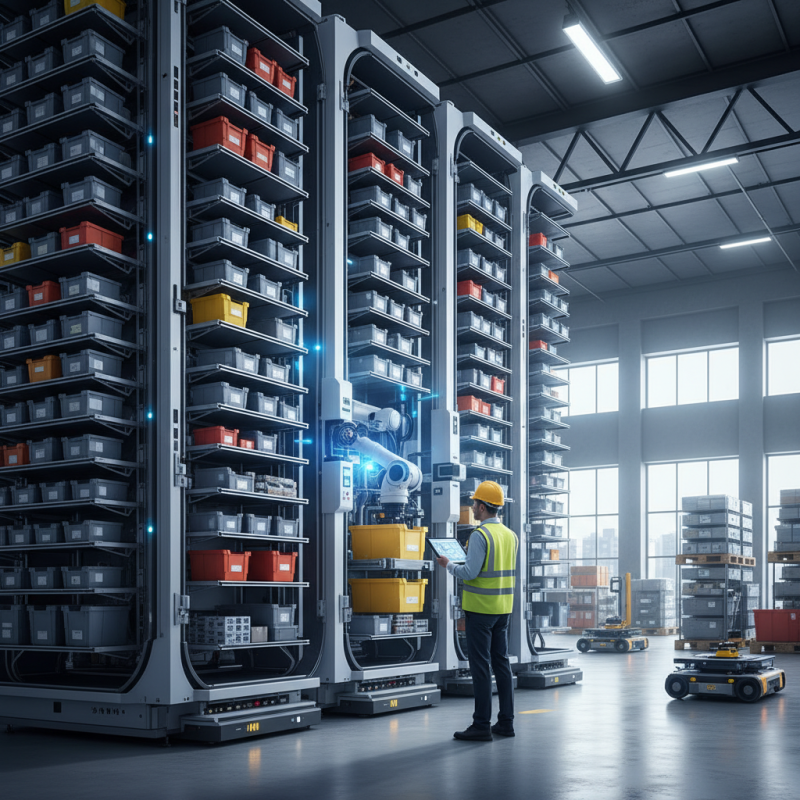
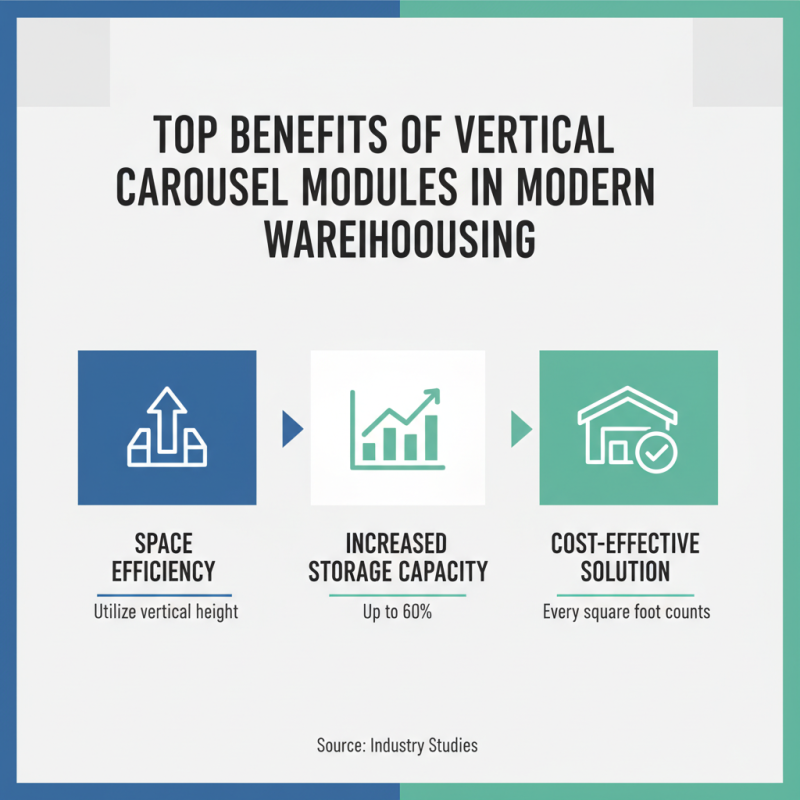
Top Benefits of Vertical Carousel Modules in Modern Warehousing
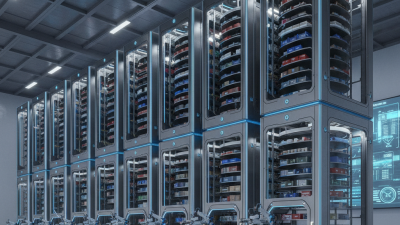
Vertical carousel modules have transformed modern warehousing. These systems enhance space efficiency by utilizing vertical height. According to industry studies, organizations can increase storage capacity by up to 60% through vertical carousels. This space-saving solution is vital in a world where every square foot counts.
Operational efficiency is another crucial benefit. Vertical carousels reduce retrieval times. Reports suggest that these systems can cut order picking time by as much as 75%. Faster retrieval leads to quicker fulfillment and improved customer satisfaction. This speed is especially important in e-commerce and retail environments, where consumer expectations are high.
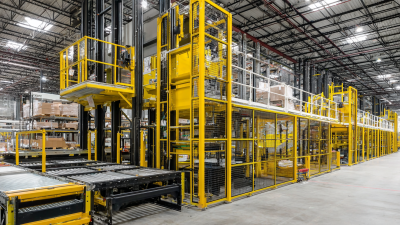
However, vertical carousels are not without their challenges. Initial costs can be significant. Companies must weigh these costs against long-term savings. Additionally, some facilities may require retrofitting to accommodate these systems. Such adjustments can disrupt operations. However, when implemented correctly, vertical carousel modules offer a reliable solution that meets the demands of contemporary warehousing while maximizing both space and efficiency.
Key Features to Consider When Selecting a Vertical Carousel System
When selecting a vertical carousel system, several key features must be considered to ensure optimal efficiency. Effective storage requires an understanding of space utilization. According to a recent industry report, utilizing vertical space can increase storage efficiency by up to 80%. Height and depth are essential factors that determine how much space can be saved.
Additionally, the capacity and load-bearing limits of a carousel should be assessed. Some systems can handle heavier loads while maintaining smooth operation. For example, a study indicates that systems designed with advanced materials can support up to 2,000 pounds, making them suitable for heavy inventory.
Speed and accessibility also play a vital role. Systems with quicker retrieval times enhance productivity. Research shows that faster access can reduce picking times by as much as 60%. It’s essential to review different configurations and their impact on workflow. Operators must reflect on how their choices influence daily operations. In the end, aligning features with specific operational needs is crucial to achieving desired efficiency.
Top 10 Vertical Carousel Modules for Efficient Storage Solutions
| Model |
Capacity (kg) |
Height (mm) |
Width (mm) |
Depth (mm) |
Speed (items/min) |
Power (kW) |
| Model A |
500 |
1800 |
800 |
600 |
60 |
1.5 |
| Model B |
700 |
2000 |
850 |
650 |
75 |
1.8 |
| Model C |
600 |
1900 |
780 |
620 |
70 |
1.7 |
| Model D |
800 |
2100 |
900 |
700 |
80 |
2.0 |
| Model E |
750 |
1700 |
840 |
660 |
72 |
1.6 |
| Model F |
550 |
1600 |
720 |
640 |
65 |
1.4 |
| Model G |
900 |
2200 |
950 |
710 |
85 |
2.2 |
| Model H |
650 |
1500 |
790 |
630 |
68 |
1.5 |
| Model I |
400 |
1400 |
700 |
620 |
55 |
1.3 |
| Model J |
800 |
2300 |
1000 |
750 |
90 |
2.1 |
Industry Trends: Adoption Rates of Vertical Carousel Technology in 2023
In 2023, vertical carousel technology is gaining momentum across various industries. With increasing demands for efficient storage, many businesses are adopting these systems. They save floor space by using vertical height. This also leads to streamlined operations and improved inventory management.
One trend observed is the enhancement of automation in these systems. More companies are integrating smart technology for tracking and managing inventory. This allows for quick access and reduces human error. However, the initial investment can be intimidating for some businesses. It requires careful consideration of long-term benefits versus upfront costs.
Tips: Consider starting small. A few modules can help you gauge efficiency before making larger investments. Regular training for staff on these systems is crucial. It maximizes the benefits of the technology.
Though the advantages are clear, businesses must reflect on how this technology integrates with their existing processes. Change can be daunting, and not every system will suit all industries. Evaluate specific needs and challenges before fully committing to vertical carousel solutions. This thoughtful approach can lead to better outcomes in the long run.
Comparative Analysis: Vertical Carousels vs. Traditional Storage Solutions
In modern warehousing, the debate between vertical carousels and traditional storage solutions continues. Vertical carousels optimize vertical space, increasing storage density by 60%, compared to conventional shelving. This efficiency translates to significant cost savings and improved order picking times. A study from the Warehousing Educational and Research Council (WERC) shows that automated systems can reduce order picking errors by 70%. On the other hand, traditional systems require more floor space and can lead to longer retrieval times.
Tip: Evaluate your current space usage before investing. Understanding your storage needs can help avoid costly mistakes.
While vertical carousels have clear advantages, they may not suit all operations. Their initial investment can be high, requiring time to train employees. Moreover, some industries may find that the complexity of an automated system complicates rather than simplifies processes. A National Association of Wholesaler-Distributors report indicates that 45% of companies using automated storage express concerns about the transition period. Efficiency and innovation are crucial, but so is the adaptability of your workforce.
Tip: Don’t overlook employee feedback. Their insights can guide improvements in storage solutions.
Comparative Analysis: Vertical Carousels vs. Traditional Storage Solutions
Case Studies: Successful Implementations of Vertical Carousels in Various Sectors
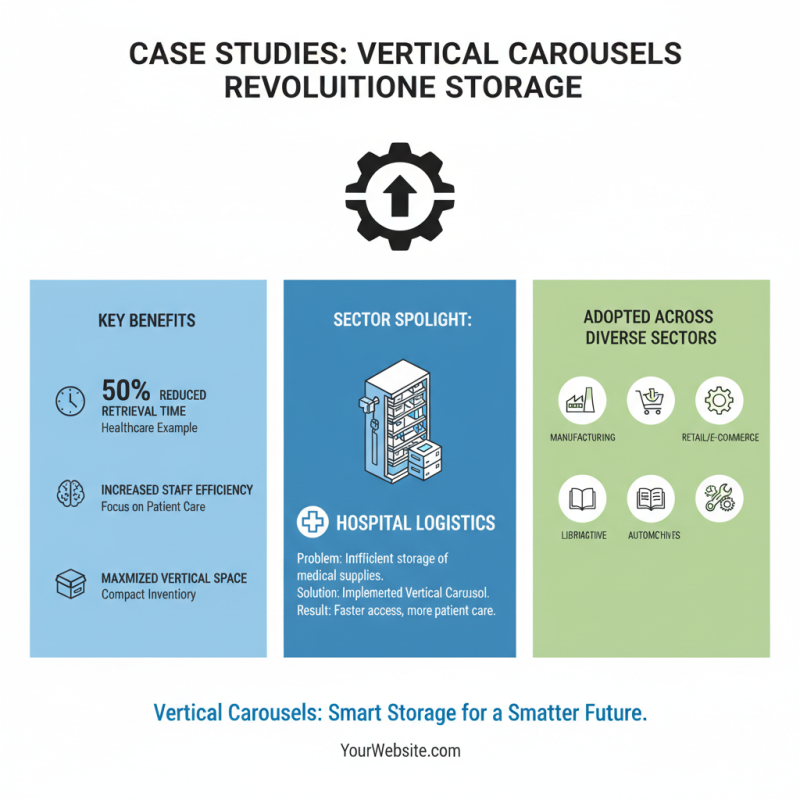
Vertical carousels have revolutionized storage solutions across various sectors. In a healthcare setting, one hospital implemented a vertical carousel to store medical supplies efficiently. This change reduced retrieval time by 50%. Staff could focus more on patient care instead of searching for items. The carousel maximized vertical space, allowing for a compact inventory system.
Another compelling case study comes from an automotive parts manufacturer. They introduced vertical carousels to manage small parts. This shift led to significant improvements in organization. However, staff training remained a challenge, as not everyone adapted quickly. It’s crucial to balance technology adoption and employee readiness. Despite this hurdle, overall productivity saw a notable increase.
In a retail environment, a grocery chain utilized vertical carousels for stock rotation. This helped streamline their inventory process. Yet, they faced difficulties in maintenance and occasional mechanical failures. Regular upkeep is essential, but it often goes overlooked. Each implementation teaches valuable lessons, emphasizing the need for continuous improvement in vertical storage systems.

 +8618862309186
 CONTACT NUMBER
 CONTACT NUMBER
 CONTACT NUMBER