Leave Your Message

Top 10 Warehouse Guidelines for Efficient Operations and Safety Practices?

In any warehouse, efficiency and safety are crucial. Following Warehouse Guidelines can significantly enhance operations. However, many facilities struggle with implementing these rules effectively. This often leads to hazardous conditions and wasted resources.

Proper organization is essential. Labeling aisles and keeping items in designated areas can reduce accidents. Yet, some workers still ignore these signs. Training is important. Staff must understand safety protocols, but not all training sessions are effective. Over time, complacency can set in.

Regularly reviewing and updating Warehouse Guidelines is necessary to meet evolving needs. However, some warehouses bypass this step, which can lead to outdated practices. A culture of safety should be prioritized. Encouraging employees to voice concerns could improve overall operations. For a warehouse to thrive, efficiency must go hand in hand with stringent safety practices.

Top 10 Warehouse Guidelines for Efficient Operations and Safety Practices?

Understanding the Importance of Warehouse Guidelines for Efficiency

Warehouse guidelines are essential for achieving operational efficiency and enhancing safety. According to a report by the Warehousing Education and Research Council (WERC), effective guidelines can lead to a 25% increase in productivity. When warehouses implement structured processes, employees navigate tasks more smoothly. This not only helps in reducing errors but also speeds up order fulfillment.

Adopting clear safety protocols is equally vital. The Occupational Safety and Health Administration (OSHA) states that effective safety practices can lower incident rates by 40%. This also impacts overall efficiency. Poor safety can lead to disruptions, affecting workflow and employee morale. Implementing proper training and regular audits can minimize these risks. However, many warehouses often overlook regular training sessions. Without them, safety becomes an afterthought, leaving workers vulnerable to accidents. This reflects a gap that requires serious attention.

The importance of guidelines often gets overshadowed by day-to-day operations. However, consistent adherence to these practices could yield long-term benefits. In a fast-paced environment, rushing to meet targets might lead to neglecting safety protocols. This oversight can create dangerous situations. While short-term gains are attractive, the long-term costs of accidents or inefficiencies could be detrimental. A fundamental shift towards valuing safety as much as speed is crucial for sustainable success in warehouse operations.

Top 10 Warehouse Guidelines for Efficient Operations and Safety Practices

Guideline Description Importance Implementation Tips
1. Clear Aisles Maintain clear pathways to ensure ease of movement. Reduces accidents and improves efficiency. Regular inspections and cleaning schedules.
2. Proper Storage Use appropriate shelving and storage methods for items. Promotes safety and protects inventory. Train staff on weight limits and stacking techniques.
3. Safety Gear Ensure all employees wear necessary protective equipment. Minimizes injuries during operations. Conduct safety gear checks regularly.
4. Regular Training Provide ongoing training on safety and efficiency practices. Keeps staff updated on best practices. Schedule quarterly training sessions.
5. Equipment Maintenance Regularly maintain equipment for optimal performance. Prevents breakdowns and costly repairs. Set up a maintenance calendar.
6. Inventory Management Utilize software for accurate inventory tracking. Improves stock control and reduces losses. Implement barcoding systems.
7. Emergency Procedures Establish clear emergency protocols for staff. Ensures safety during crises. Conduct regular drills and reviews.
8. Load Limits Adhere to established load limits on shelves. Prevents collapse and accidents. Display load limits clearly.
9. Waste Management Implement practices for effective waste disposal. Helps maintain a clean and safe environment. Provide recycling bins and training.
10. Communication Encourage open communication among staff. Enhances teamwork and efficiency. Integrate feedback systems.

Key Safety Practices to Implement in Warehouse Operations

Creating a safe warehouse environment is vital for effective operations. Implementing key safety practices can significantly reduce accidents. Start by ensuring all employees are trained in safety protocols. Regular safety drills help maintain awareness. Consider using visual aids, like signs and charts, to reinforce safety messages.

Another crucial practice is the proper organization of the workspace. Ensure walkways are clear and materials are stored safely. This minimizes tripping hazards and creates a smoother workflow. However, many warehouses still struggle with clutter. Regular audits can help identify problem areas. Employees should feel empowered to report unsafe conditions without fear of repercussions.

Emergency preparedness is also essential. Each warehouse should have a clear evacuation plan, prominently posted for everyone. Yet, it’s common for these plans to be overlooked. Conduct periodic reviews and drills to ensure all staff members are familiar with the procedures. Integration of safety practices into daily routines is key to fostering a culture of safety in the workplace.

Top 10 Warehouse Guidelines for Efficient Operations and Safety Practices

This chart illustrates the importance of key safety practices implemented in warehouse operations.

Streamlining Process Flow for Optimized Warehouse Management

Top 10 Warehouse Guidelines for Efficient Operations and Safety Practices?

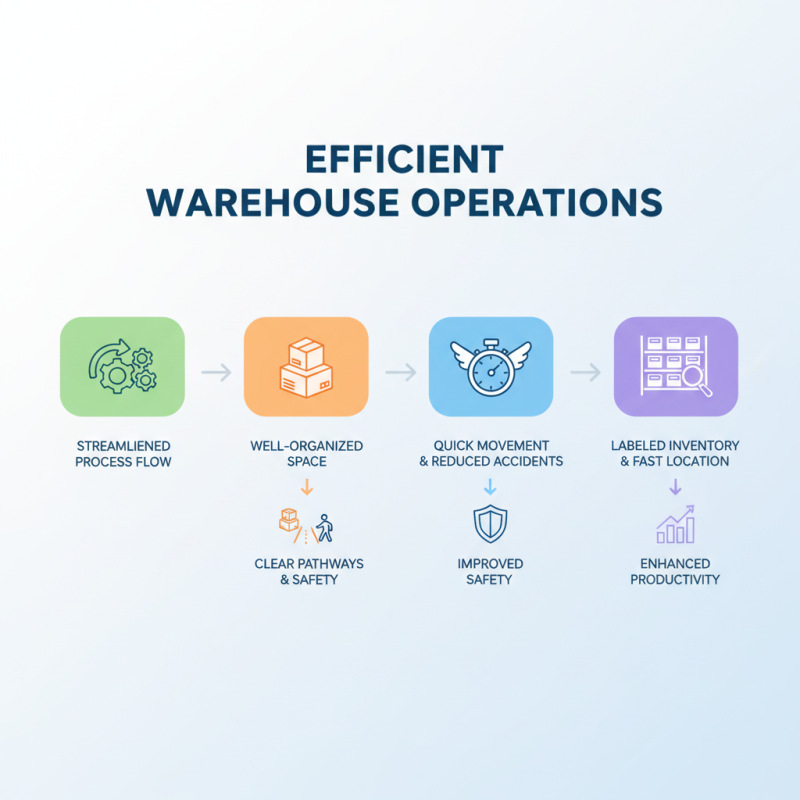
Efficient warehouse operations hinge on streamlining process flow. A well-organized space enhances productivity. Clear pathways allow for quick movement of goods. This reduces the risk of accidents and improves overall safety. Organizing inventory with labeled sections helps workers locate items swiftly.

Creating designated zones for receiving, storing, and shipping is crucial. This minimizes confusion. It also prevents cross-traffic between teams. Sometimes, a lack of clear signage can lead to inefficiencies. Workers may wander, wasting valuable time. A simple solution is to use visual cues that guide employees.

Regular assessments of the layout can reveal areas for improvement. Sometimes, adjusting the arrangement is necessary. A stagnant setup can hinder progress. Encouraging team feedback helps identify roadblocks. It fosters a culture of continuous improvement that benefits everyone in the warehouse.

Training and Development for Enhanced Warehouse Staff Performance

Top 10 Warehouse Guidelines for Efficient Operations and Safety Practices?

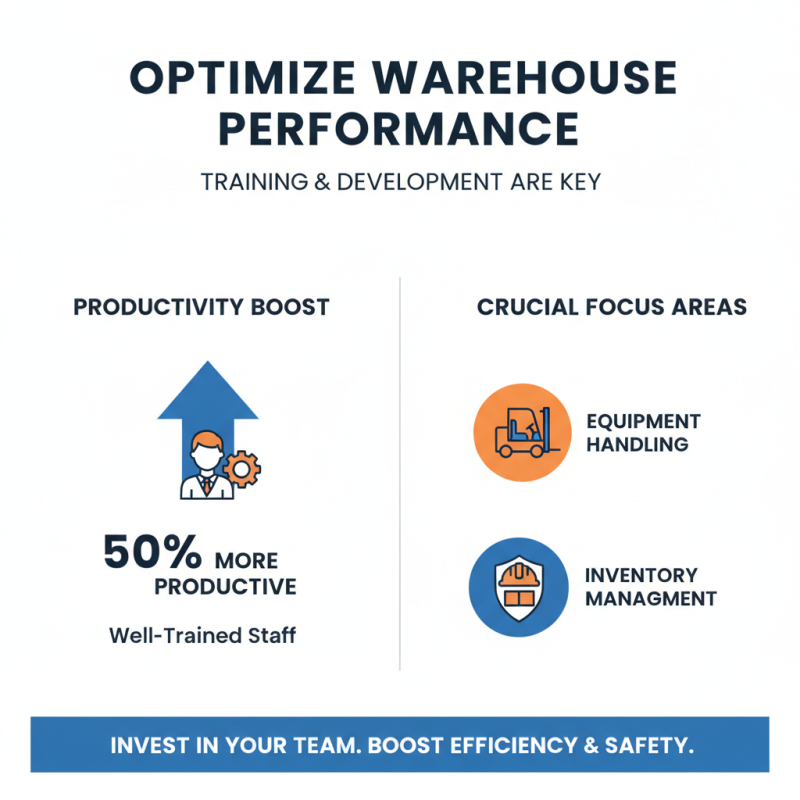
Effective training and development are crucial for warehouse staff performance. Studies indicate that well-trained employees are 50% more productive than their less-trained counterparts. This significant gap highlights the importance of investing in training programs. These programs should focus on both operational efficiency and safety practices. Training must cover equipment handling, inventory management, and safety protocols.

Moreover, ongoing training can help reduce workplace accidents. Research shows that companies with robust safety training have 70% fewer incidents. This statistic highlights a potential flaw in many warehouses. Companies often overlook the need for continual training. This oversight can lead to a lack of preparedness for staff. Frequent training updates can bridge this gap and ensure safety is prioritized.

Engaging staff in training sessions can boost morale. Employees who feel supported are more likely to perform better. Yet, many warehouses fail to create an engaging training environment. They often rely on outdated methods. Interactive sessions, hands-on training, and feedback can enhance learning significantly. Investing in these areas can lead to remarkable improvements in staff engagement and overall warehouse efficiency.

Regular Maintenance and Inspection Procedures for Safety Compliance

Regular maintenance and inspection procedures are crucial for safety compliance in warehouse operations. These practices help identify potential hazards before they become serious issues. Check shelving units and storage racks frequently for damage. Even minor flaws can compromise safety.

Tips on inspections: Schedule inspections monthly. Use a checklist to ensure nothing is overlooked. Assign responsibility to a team member for accountability. Do not skip this step. If something seems off, address it immediately.

Equipment should be maintained regularly to promote safety and efficiency. Test fire alarms and sprinklers regularly. Replace worn-out equipment promptly. Pay attention to forklifts and pallet jacks. They can easily lead to accidents if not properly maintained. Ensure that employees are trained on proper equipment use.

Remember to involve staff in the process. Their insights can highlight issues you may overlook. Create a culture of safety and compliance. This will encourage everyone to take ownership of their work environment. Addressing maintenance issues promptly can reduce risks significantly. Keep an open line of communication about safety concerns.