Top 10 Warehouse Guidelines Every Global Buyer Should Know?
Navigating the complexities of global purchasing requires a solid understanding of Warehouse Guidelines. As logistics expert Emma Carter once noted, "Effective warehouse management is crucial for global buyers." This insight speaks to the importance of clear and effective practices in any buying strategy.
For global buyers, understanding how warehouses operate can greatly influence productivity. Detail-oriented guidelines help ensure efficient inventory management and shipping processes. Without a solid grasp of these practices, costly mistakes can occur. Risks include delays, miscommunication, and increased operational costs. Adhering to best practices empowers buyers to optimize their supply chains effectively.
Navigating warehouse operations is no simple task. Each buyer faces unique challenges that necessitate tailored approaches. As the landscape evolves, so too must the guidelines we follow. Continuous reflection and adaptation are essential for success in this dynamic environment. It’s crucial to stay informed and aware of potential pitfalls in warehouse management. The journey toward mastery of these Warehouse Guidelines is ongoing and requires commitment.
Top 10 Warehouse Guidelines for Global Buyers: Essential Insights
When navigating global supply chains, warehouse guidelines are essential. Every buyer should prioritize efficiency and organization. Clear labeling and categorization of products streamline the retrieval process. This ensures that stock levels are monitored accurately. Inadequate inventory management can lead to costly mistakes. It's crucial to maintain accurate records and stay updated on stock status.
Communication with warehouse staff is vital. Establish regular training sessions to keep everyone informed. Muted signals can lead to errors that affect timelines. It’s also important to create a culture of feedback. Employees should feel comfortable sharing their insights or concerns about procedures. Encouraging this openness can uncover hidden inefficiencies.
A flexible storage solution is necessary. Demand can fluctuate unexpectedly. Understanding how to adapt quickly is a key lesson. Ensure the warehouse layout allows for easy reconfiguration. Regular assessments of storage practices foster continuous improvement. Even the most organized systems will need adjustments. Reflecting on past challenges can inform future strategies.
Understanding the Warehouse Layout: Maximizing Space and Efficiency
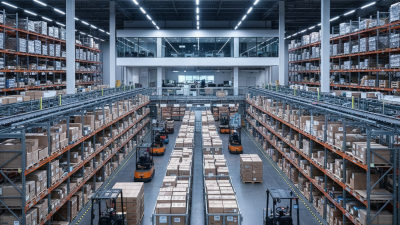
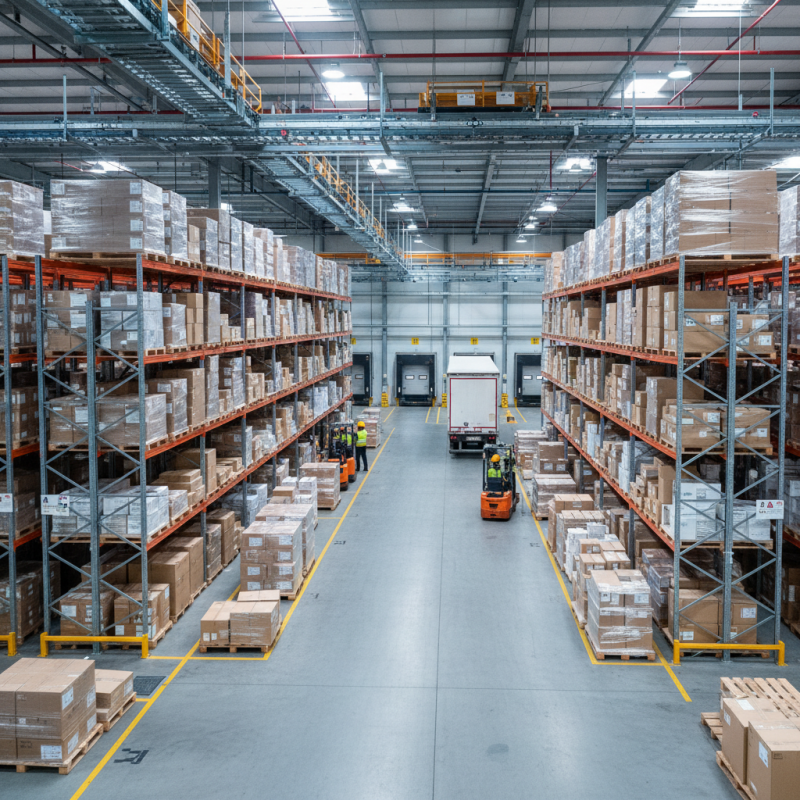
Understanding the warehouse layout is key for global buyers. A well-optimized space boosts efficiency. Using vertical storage can make a significant impact. High shelves maximize height, saving floor space. Clearly defining areas for receiving, storing, and shipping is vital. This organization minimizes travel time, allowing for faster order fulfillment.
Consider the flow of products. Must select a layout that promotes movement. For instance, a U-shaped layout can facilitate quick access to goods. Visual cues, like color coding, can help workers navigate the space. However, it’s essential to regularly assess the layout. What works now may need adjusting as inventory changes.
Every warehouse faces unique challenges. Some may struggle with space constraints. Others might find processes becoming outdated. Periodic evaluations can reveal areas for improvement. Engaging staff in these discussions can lead to practical solutions. Flexibility and a willingness to adapt are crucial.
Inventory Management Best Practices: Reducing Costs and Stockouts
Effective inventory management is crucial for global buyers aiming to reduce costs and avoid stockouts. Understanding inventory levels can help businesses forecast demand accurately. Implementing a robust system can streamline processes. Without a clear strategy, organizations may face surplus or shortages. Having too much stock ties up capital, while too little may lead to missed sales opportunities.
Tips for effective inventory management include regular audits. By routinely checking stock levels, buyers can identify slow-moving items. This allows for timely discounts or promotions. Additionally, use software tools to track inventory. Visual dashboards provide real-time data, improving decision-making. Setting a reorder point for each item can prevent stockouts, ensuring that popular products are always available.
Another key practice is categorizing inventory. Group items based on their movement rates. Fast-moving products require different management than slow-moving ones. By focusing on inventory classification, businesses can allocate resources more efficiently. Inefficient handling of inventory often causes frustration and financial loss. Addressing these gaps can lead to smoother operations and increased profitability.
Technology Integration: Utilizing Automation and AI in Warehousing
In today's dynamic global market, technology integration in warehousing is crucial for efficiency. Automation and AI are transforming the way warehouses operate, enabling faster processes and reducing human error. According to a report by McKinsey, companies using AI in supply chain operations can increase forecasting accuracy by up to 30%. This enhances decision-making, leading to improved inventory management.
Automation streamlines repetitive tasks. Robotics can handle picking and packing efficiently. According to a study by the Warehouse Robotics Association, warehouse automation can reduce operational costs by approximately 20-30%. However, it’s essential to evaluate the implementation process continuously. Not every warehouse benefits equally from automation. Layout constraints and workforce capabilities can create unexpected challenges.
Investing in AI can yield powerful insights. Yet, firms must ensure their data quality is high to maximize these benefits. Over-reliance on technology without human oversight may lead to vulnerabilities. A reliance solely on automated systems could result in significant operational risks if not managed properly. Balancing technology and human expertise enhances flexibility and responsiveness in dynamic market conditions.
Safety Standards Compliance: Protecting Workers and Assets in Warehouses
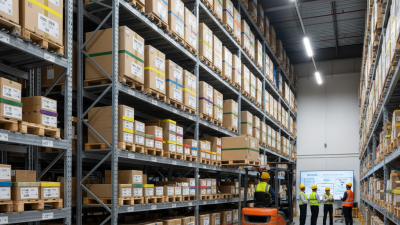
Warehouse safety is paramount for global buyers. Ensuring compliance with safety standards protects both workers and assets. The International Labour Organization (ILO) reports that inadequate safety measures lead to high injury rates. Accidents in warehouses cost the industry billions annually in lost productivity and damages.
To enhance safety, implementing guidelines such as regular training for employees is essential. Ensuring all staff are aware of potential hazards can reduce injury rates significantly.
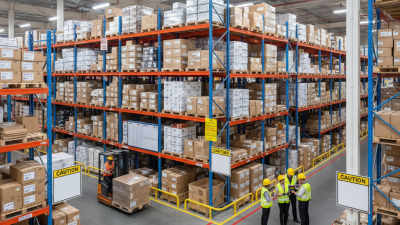
Tips: conduct monthly safety drills. Use clear signage to indicate risk zones. This proactive approach creates a culture of safety that can be invaluable.
Another point to reflect on is the use of technology. Many warehouses still operate without updated safety protocols or monitoring systems. According to the Occupational Safety and Health Administration (OSHA), warehouses utilizing technology see a 30% decrease in accidents.
Tips: adopt automated reporting tools. Leverage video surveillance for monitoring. Continuous improvement helps create a safer working environment.
Conclusion
In today’s global marketplace, understanding essential Warehouse Guidelines is crucial for buyers aiming to enhance their logistics efficiency. This article outlines ten key guidelines that focus on maximizing warehouse layout to optimize space and improving inventory management practices to minimize costs and prevent stockouts.
Moreover, it emphasizes the importance of technology integration, particularly through automation and AI, to streamline operations. Ensuring compliance with safety standards protects both workers and assets, while implementing sustainable practices addresses the growing demand for eco-friendly logistics solutions. By adhering to these Warehouse Guidelines, global buyers can significantly improve their supply chain efficiency and effectiveness.

 +8618862309186
 CONTACT NUMBER
 CONTACT NUMBER
 CONTACT NUMBER