+8618862309186
Leave Your Message
-
CONTACT NUMBER
-
 CONTACT NUMBER
 -
 CONTACT NUMBER
 -
 CONTACT NUMBER
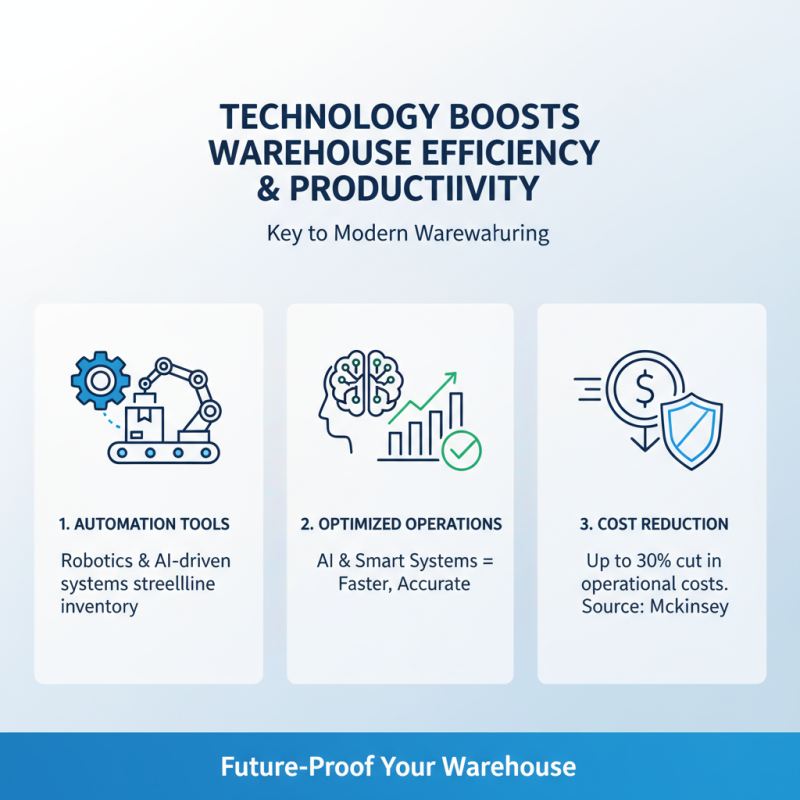
In the ever-evolving landscape of logistics, effective Warehouse Operations have become paramount for global buyers. A recent report from the Warehousing Education and Research Council indicates that optimally managed warehouse environments can reduce operational costs by up to 30%. This significant potential for savings motivates businesses to refine their strategies continuously.
Industry expert Dr. Emily Johnson states, “Efficiency in Warehouse Operations not only enhances productivity but also strengthens the entire supply chain.” Her insights highlight a critical truth: without a well-structured approach, companies risk falling behind. While many strive for optimal operations, the challenge remains in overcoming inefficiencies and technological gaps.
A significant portion of warehouse managers acknowledges the complexities in implementing new strategies. Many grappling with inventory accuracy technology report that systems frequently fail. Thus, while aspirations for improved Warehouse Operations abound, reflection on past mistakes is essential for meaningful progress. Achieving operational excellence demands vigilance and a commitment to constant improvement.

Understanding global warehouse operations is essential for businesses aiming to thrive in international markets. Global buyers must navigate complexities such as varying regulations, supply chain logistics, and cultural differences. Each region presents unique challenges that can affect warehouse efficiency and product delivery. For instance, understanding local customs regulations can reduce delays and compliance issues.
Efficient global operations hinge on accurate inventory management. Real-time tracking systems provide visibility across multiple locations. This helps in making informed decisions about stock levels and order fulfillment. However, many companies overlook the importance of maintaining clear communication channels, both internally and externally. Misunderstandings can lead to costly errors. Reflecting on past missteps in communication can offer valuable insights for future improvement.
Investing in training for warehouse staff is critical. Employees should be well-versed in best practices and safety protocols. Moreover, evaluating performance regularly can highlight areas for growth. Not all strategies yield immediate results, so being willing to adapt is crucial. Continuous reflection on operational strategies can lead to more effective and resilient warehouses.
| Strategy | Description | Benefits | Challenges |
|---|---|---|---|
| Lean Inventory Management | Optimizing inventory levels to reduce waste. | Decreased holding costs, improved cash flow. | Risk of stockouts, requires careful forecasting. |
| Automation of Processes | Use of technology to streamline operations. | Increased efficiency, reduced labor costs. | High initial investment, technology dependence. |
| Cross-Docking |
Direct transfer of products from incoming to outgoing. | Reduced storage time, quicker order fulfillment. | Requires precise scheduling, can lead to congestion. |
| Data Analytics | Leveraging data to improve decision-making. | Better insights into operations, enhanced forecasting. | Data management complexities, requires skilled personnel. |
| Inventory Visibility | Real-time tracking of inventory levels. | Improved accuracy, better customer service. | Technology cost, data synchronization challenges. |
| Warehouse Layout Optimization | Designing layout for maximum efficiency. | Increased space utilization, faster picking times. | Disruption during redesign, requires careful analysis. |
| Supplier Collaboration | Working closely with suppliers for better supply chain efficiency. | Enhanced communication, reduced lead times. | Dependency on suppliers, alignment on goals necessary. |
| Sustainable Practices | Implementing eco-friendly practices in warehouse operations. | Improves brand image, compliance with regulations. | Potentially higher upfront costs, ROI can be unclear. |
| Employee Training | Ongoing training for warehouse staff. | Improved operational efficiency, higher employee morale. | Training costs, time required for training sessions. |
| Inventory Management Systems | Using software to track and manage inventory. | Better accuracy, streamlined operations. | Initial setup costs, regular updates required. |