What is a Vertical Carousel Module and How Does It Work?
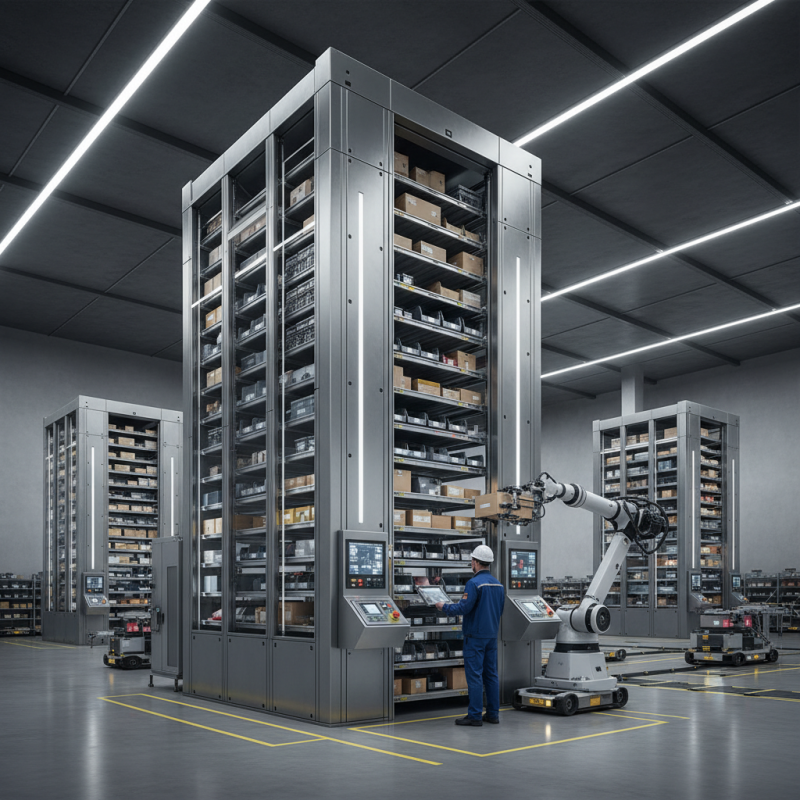
The Vertical Carousel Module is a fascinating innovation in material handling. It optimizes storage and retrieval processes in various industries. This system uses a series of rotating shelves, designed to minimize the footprint of traditional storage methods.
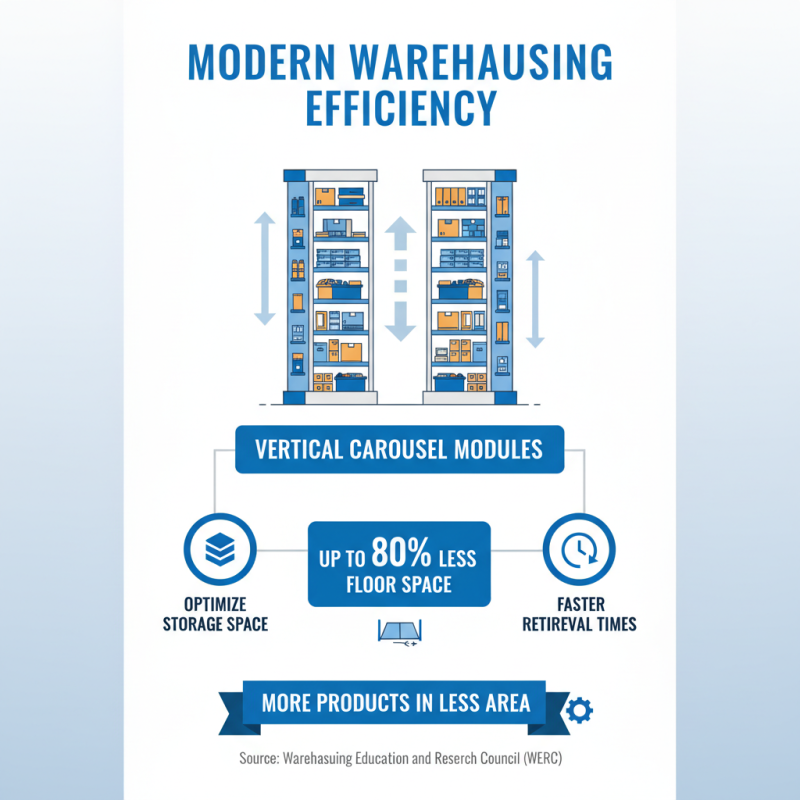
In a typical warehouse, space is limited. The Vertical Carousel Module saves valuable floor space by utilizing vertical height instead. Each shelf holds items securely, rotating to bring the selected item to the user. This method increases efficiency and reduces the risk of injuries from manual lifting.
While the benefits are clear, users sometimes face challenges. Proper training is essential to maximize the system's potential. Additionally, maintenance can be a concern. Reflecting on these aspects reveals the importance of continuous improvement in utilizing the Vertical Carousel Module effectively.
What is a Vertical Carousel Module?
A Vertical Carousel Module is a unique storage solution that utilizes vertical space efficiently. It consists of multiple trays or shelves that rotate vertically. As items are stored, the carousel can be programmed to bring the needed items right to the operator. This design reduces the time spent searching for items, which is a significant advantage in busy environments.
The Vertical Carousel is often used in warehouses and retail settings. In these places, space is limited, and organization is crucial. When loaded correctly, it can save opportunities for mistakes. However, if not managed well, it may lead to confusion in inventory. Regular maintenance is key to ensure it operates smoothly. Items can sometimes get stuck, affecting efficiency.
Understanding how to use this system is also essential. Employees must be trained effectively. Without proper training, errors can occur easily. The benefits of a Vertical Carousel are clear, but the implementation must be thoughtful. It is not a one-size-fits-all solution and requires careful consideration of the specific environment.
Key Components of a Vertical Carousel Module
A Vertical Carousel Module is a dynamic storage solution. It efficiently organizes items in a compact vertical design. This method utilizes gravity and motorized movement for quick retrieval. Key components include the rotating platform, control system, and user interface. Each plays a crucial role in the module's performance.
The rotating platform carries trays that hold items. It allows for maximum use of vertical space, a valuable feature in warehousing. Industry reports suggest that vertical carousels can increase picking speed by up to 60%. A control system ensures precise item location, optimizing retrieval times. The user interface allows operators to interact seamlessly with the system.
Tips for maximizing the use of Vertical Carousel Modules include regular maintenance of the control system. This can help avoid unexpected downtimes. Exploring ways to categorize items may also enhance efficiency. Placing frequently used items closer to the retrieval point reduces time spent searching. Remember, the best systems evolve based on user feedback and data analysis, so ensure regular checks on performance metrics.
What is a Vertical Carousel Module and How Does It Work? - Key Components of a Vertical Carousel Module
| Component |
Description |
Function |
| Carousel Unit |
The main rotating storage unit that holds items. |
Organizes and stores a variety of items in a space-efficient manner. |
| Motor |
Electrical motor that drives the rotation of the carousel unit. |
Provides the mechanical force necessary for movement. |
| Control System |
User interface and electronic components that manage carousel operations. |
Allows users to select items and control the operation of the system. |
| Shelving/Trays |
Horizontal surfaces within the carousel where items are placed. |
Holds items securely while allowing easy retrieval. |
| Safety Features |
Includes emergency stops, shielding, and sensors. |
Ensures safe operation for users and items. |
How Does a Vertical Carousel Module Operate?
A Vertical Carousel Module operates on a simple but effective principle—vertical storage. It consists of multiple shelves arranged in a rotating manner. When an item is requested, the carousel spins to bring that item directly to the access point. This technology saves floor space and optimizes workflow efficiency.
In practice, vertical carousels can improve picking speed by up to 30%. According to a 2022 industry report, these systems can reduce labor costs by approximately 50%. They are highly effective in warehouses where space is limited. Their design allows for high-density storage, making them ideal for various sectors like healthcare and retail.
Operational challenges exist, though. Regular maintenance is necessary to prevent malfunctions. Initial setup requires significant planning and investment. Furthermore, training employees on new systems can be daunting. The benefits are clear, but businesses must weigh them against these potential drawbacks. A balance is essential for successful implementation.
Vertical Carousel Module Usage Statistics
Applications of Vertical Carousel Modules in Various Industries
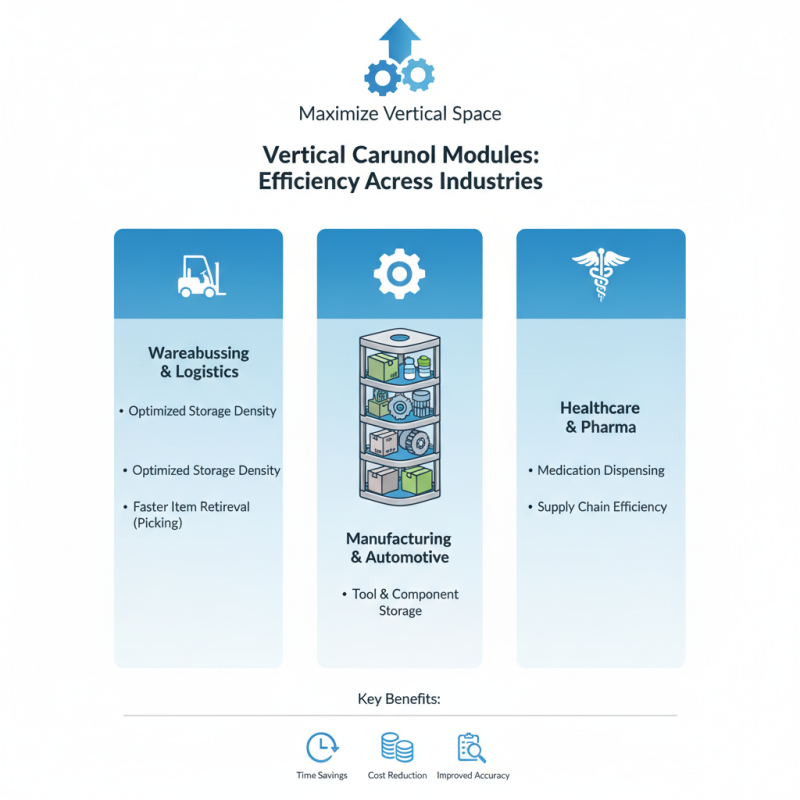
Vertical carousel modules are becoming popular across various industries due to their efficiency. Warehousing, manufacturing, and healthcare sectors use them extensively. In warehouses, these carousels maximize vertical space, helping to store items more efficiently. They optimize picking processes, reducing time spent searching for products.
In manufacturing, vertical carousels streamline production lines. They provide quick access to parts, boosting productivity. Items can be delivered directly to operators, minimizing downtime. This setup encourages better workflow and reduces errors, but it requires careful planning to implement effectively.
Tips for using vertical carousel modules include training staff properly. Understanding how to use them can save time. Regular maintenance is crucial to avoid malfunctions. Equipment should be checked often; a malfunction can disrupt operations. Additionally, assess your inventory regularly. Know your needs to adjust storage accordingly. Tracking usage patterns can reveal inefficiencies and lead to improvements. Keep an eye on these details; they are often overlooked yet essential.

 +8618862309186
 CONTACT NUMBER
 CONTACT NUMBER
 CONTACT NUMBER