What are Vertical Lift Storage Modules at the 139th Canton Fair?
At the 139th Canton Fair, Vertical Lift Storage Modules (VLSMs) take center stage. These advanced machines streamline storage and retrieval, enhancing warehouse efficiency. According to industry expert Dr. Michael Chen, "VLSMs revolutionize how we manage space in logistics." His insight highlights the transformative impact of these systems.
As we explore the benefits of VLSMs, the importance of space optimization cannot be overlooked. With the fair introducing AI features, visitors experience even greater efficiencies. However, some may question the adaptability of VLSMs in diverse environments. It’s crucial to assess these systems' limitations alongside their advantages.
The fair serves as a platform to showcase innovation. However, the adoption of VLSMs raises logistical concerns and potential costs. Participants must reflect on these factors as they engage with cutting-edge solutions. Understanding both the promise and the pitfalls of Vertical Lift Storage Modules can shape future implementation strategies.

Definition and Functionality of Vertical Lift Storage Modules
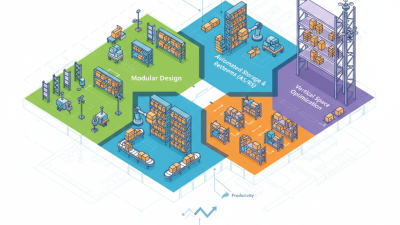
Vertical Lift Storage Modules (VLSMs) are innovative solutions for efficient material handling. These systems consist of vertically arranged trays and an automated lift mechanism. The design allows businesses to maximize limited floor space while enhancing retrieval speed. Companies operating in warehousing or manufacturing often benefit from their implementation.
The primary function of VLSMs is to streamline inventory management. They automatically deliver goods to the user’s workstation, minimizing the distance employees must travel. Each module can store various items, from small parts to larger components, effectively reducing clutter. However, integrating this technology might require an adjustment period for staff. Training is vital to ensure everyone understands how to operate the system safely and efficiently.
While VLSMs offer significant advantages, there are challenges to consider. Initial investment costs can be high. Maintenance is crucial to avoid downtime. Regularly scheduled check-ups are necessary to keep the machines running smoothly. Some facilities may find it hard to adapt to the new system, leading to temporary disruptions in workflow until everyone gets used to the change. Exploring these aspects can lead to better planning and implementation strategies.
Key Features of Vertical Lift Storage Modules
Vertical Lift Storage Modules (VLSMs) are gaining traction in modern warehousing. These systems use vertical space efficiently, making them ideal for businesses with limited floor area. According to recent industry reports, approximately 40% of warehouse operations are in need of space-saving solutions. VLSMs can optimize storage density by utilizing height, thereby significantly reducing the overall footprint.
One key feature of VLSMs is their ability to improve order picking efficiency. A study from the Warehousing Education and Research Council indicates that order picking can be up to 50% faster when using automated storage systems like VLSMs. This efficiency is achieved through the rapid retrieval of goods from multiple levels, allowing workers to minimize travel time. However, improper implementation can lead to bottlenecks during peak operation hours.
Another notable aspect is the flexibility they offer. VLSMs can adapt to various types of inventory, from small components to larger items. Yet, they require precise inventory management to function effectively. If the inventory data is inaccurate, it can lead to retrieval errors. Therefore, continuous monitoring and software updates are crucial to maintain system integrity and efficiency.
Applications Across Various Industries
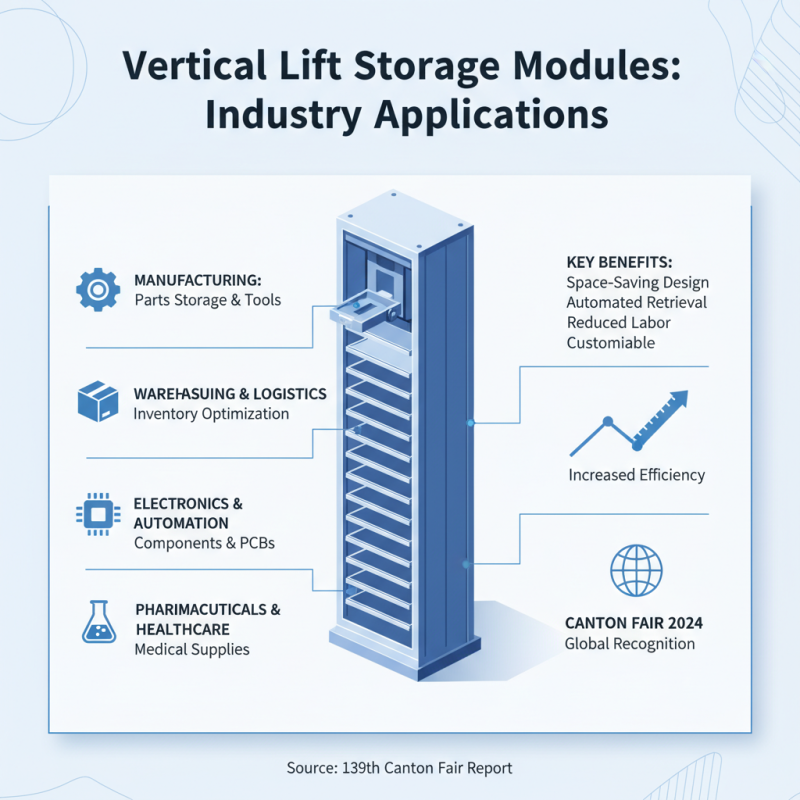
Vertical Lift Storage Modules (VLSMs) are gaining attention at the 139th Canton Fair due to their versatility. These systems optimize vertical space in warehouses and manufacturing plants. They automate storage and retrieval processes, minimizing labor and time. VLSMs are particularly useful in environments with limited floor space. Their design allows for customizing compartment sizes. This adaptability meets the unique storage requirements of different industries.
Various sectors benefit from VLSMs. In healthcare, they store medical supplies efficiently. Quick access saves time in emergencies. In electronics, VLSMs protect components, reducing damage during handling. Manufacturing units utilize these modules for parts organization, which enhances productivity. Even retail sectors are adopting VLSMs for inventory management. The speed of access to items streamlines restocking processes, though it may require training for staff.
Challenges exist. Implementing these systems might need significant upfront investment. Companies must evaluate whether the long-term benefits outweigh initial costs. User experiences differ. Some find the transition process difficult. Mistakes may occur in adapting existing workflows to this technology. However, the potential benefits can be significant, particularly in improving efficiency and space utilization.
Advantages of Using Vertical Lift Storage Modules
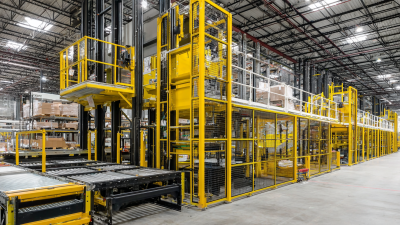
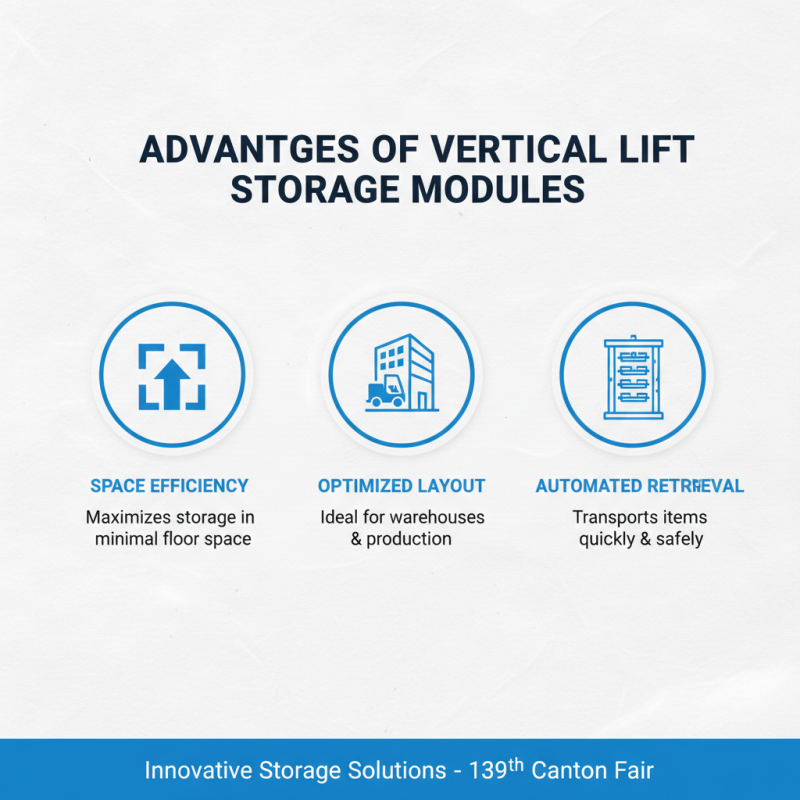
Vertical Lift Storage Modules (VLSMs) at the 139th Canton Fair showcase innovative storage solutions. These systems use vertical space efficiently. They are usually enclosed towers that transport items between storage and retrieval locations. This design maximizes storage in minimal floor space, making them ideal for warehouses and production facilities.
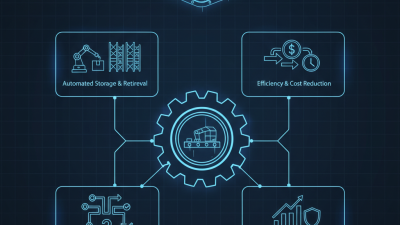
The advantages of VLSMs are numerous. First, they improve organization within the storage area. Items are easily accessible, enhancing retrieval speed. This can lead to increased productivity. VLSMs also reduce the need for manual handling, which can lower labor costs. However, there can be learning curves for staff. Adjusting to new technology may take time.
Security is another significant benefit. Many of these modules provide controlled access to stored items. This can minimize loss or theft issues. Yet, initial setup costs can be high. Investing in automation requires careful consideration of long-term savings. VLSMs bring remarkable efficiency, but organizations must evaluate if the technology fits their specific needs.
Innovations Demonstrated at the 139th Canton Fair
At the 139th Canton Fair, various innovations caught the eye of attendees. Among these, Vertical Lift Storage Modules stood out. These systems offer a compact solution to storage challenges in warehouses. Designed to utilize vertical space, they optimize floor area. This innovative approach can significantly improve inventory management.
The fair showcased models featuring customizable compartments. This allows businesses to adapt them to different products. With real-time tracking, users can monitor stock levels efficiently. However, some attendees noted the steep learning curve. Training staff to operate these systems effectively might take time.
Despite the challenges, the potential benefits are considerable. Businesses can enhance their storage capabilities while saving space. However, not every company may find this solution viable. Some may need simpler options. Reflection on specific operational needs is crucial for successful implementation.

 +8618862309186
 CONTACT NUMBER
 CONTACT NUMBER
 CONTACT NUMBER