What is Warehouse Whs and Its Importance in Supply Chain Management?
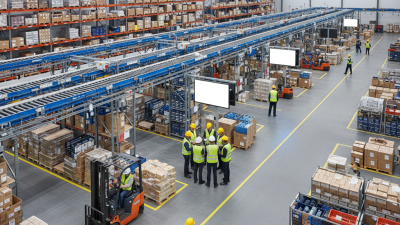
Warehouse Whs plays a pivotal role in the realm of supply chain management. According to supply chain expert Dr. Jane Thompson, “Effective warehouse management can make or break a supply chain.” This highlights the crucial nature of Warehouse Whs in ensuring that goods flow smoothly from producers to consumers.
Warehouse Whs involves not just storage, but also inventory management and order fulfillment. A well-organized warehouse can drastically reduce operational costs. Companies often underestimate the importance of proper warehouse layout and technology integration. These elements can lead to inefficiencies if not addressed.
In a world where customer expectations are high, failures in Warehouse Whs can lead to delays and dissatisfaction. Inadequate systems can hinder tracking and reporting, causing inventory discrepancies. The stakes are high, and the need for refined processes becomes clear. Embracing best practices in Warehouse Whs is essential for any organization aiming for supply chain excellence.

What is Warehouse WHS? Definition and Overview in Supply Chain Management
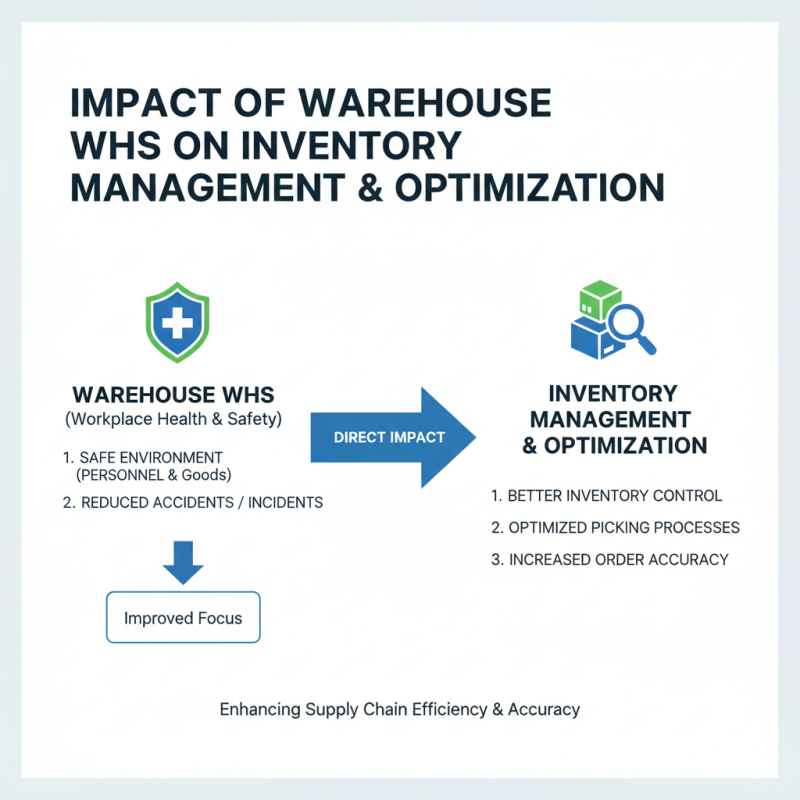
Warehouse WHS, or Warehouse Work Health and Safety, is crucial in supply chain management. It encompasses practices ensuring the safety and well-being of employees within warehouse environments. Safety regulations are vital to reduce accidents and injuries. Ensuring a safe workplace enhances employee morale and productivity.
Understanding Warehouse WHS involves recognizing potential hazards. These may include equipment misuse, manual handling risks, or poor ergonomic design. Regular safety training and audits can help identify these risks. Having proper safety protocols is essential, but the implementation can be inconsistent. Some warehouses may neglect proper training, leading to unsafe practices.
The importance of Warehouse WHS cannot be overstated. An effective WHS program boosts operational efficiency. Reducing workplace incidents ultimately lowers costs associated with injuries. However, companies often struggle with compliance. Employees might feel complacent about safety rules. To improve, ongoing training and a culture of safety are paramount.
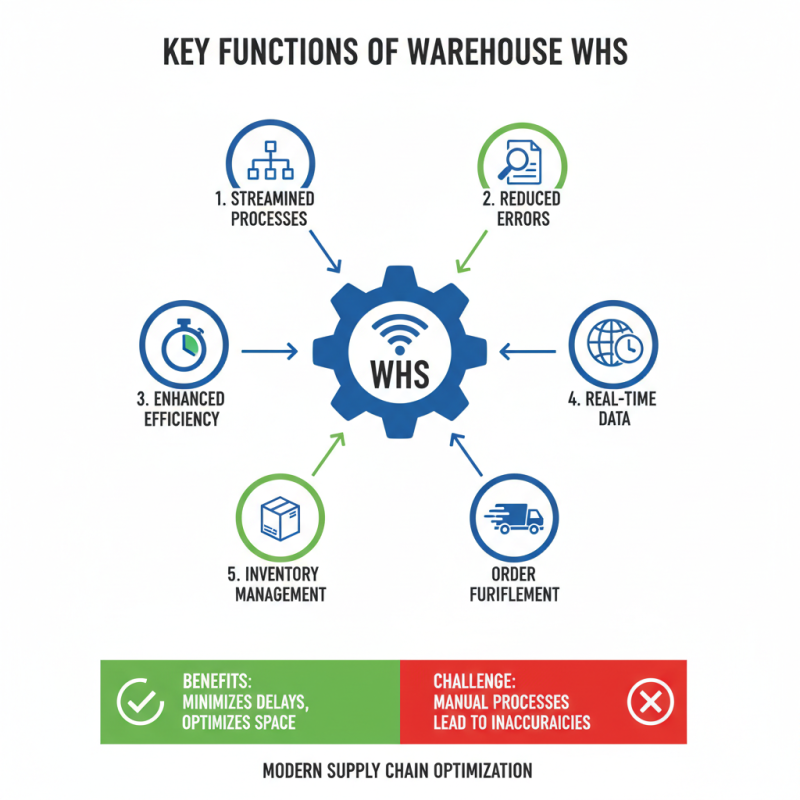
Key Functions of Warehouse WHS in Modern Supply Chain Operations
Warehouse WHS (Warehouse Management Systems) plays a vital role in modern supply chain operations. These systems streamline processes, reduce errors, and enhance efficiency. Effective WHS integrates real-time data tracking, inventory management, and order fulfillment. This minimizes delays and optimizes storage space. Many operations still struggle with manual processes, leading to inaccuracies.
A key function of WHS is inventory optimization. By utilizing advanced analytics, warehouses can predict demand. This helps maintain optimal stock levels. Some facilities continue to face overstock and stockouts. These issues can cripple supply chains, causing lost sales and customer dissatisfaction.
Another important aspect is order processing. WHS automates picking and packing. This speeds up delivery times. However, not all warehouses have embraced automated solutions, leading to inconsistencies. Training staff on WHS tools is essential but often overlooked. A skilled workforce can leverage technology effectively, ensuring smoother operations.
Statistics on Warehouse WHS Efficiency: Trends and Industry Benchmarks
Warehouse WHS, or Work Health and Safety, plays a crucial role in supply chain management. Efficient warehouse operations depend heavily on safety standards. A safe environment minimizes accidents and promotes staff productivity. Statistics show that a safer warehouse can improve efficiency by up to 30%. This figure highlights the importance of prioritizing employee well-being.
Industry benchmarks reveal that organizations with robust WHS practices tend to outperform their competitors. Companies that regularly conduct safety training see a 50% reduction in worker-related incidents. Despite this, many warehouses still overlook vital safety protocols. Problems can arise when proper guidelines are not in place, leading to inefficiencies that can affect the entire supply chain. These incidents remind us to prioritize continuous improvement in health and safety metrics.
One key trend is the increase in automation in warehouses. While automation can enhance efficiency, it does not replace the need for safety measures. The integration of technology must align with WHS standards. It's troubling that some organizations rush this process, focusing solely on speed. Slower implementation of safety features would help ensure a more secure working environment. Balancing efficiency and safety is an ongoing challenge for the industry.
Challenges in Warehouse WHS Implementation and Best Practices Solutions
Implementing effective Warehouse Work Health and Safety (WHS) practices poses several challenges. According to a recent report by Safe Work Australia, the warehousing industry has one of the highest injury rates, with over 20% of workers experiencing a work-related injury within a year. This statistic underscores the need for robust WHS protocols in warehouses. One common challenge is the lack of employee training. Many workers are unaware of potential hazards. Without proper training, they cannot implement safety measures effectively.
Another significant hurdle is the rapid pace of automation. While technology improves efficiency, it can also introduce new safety risks. A 2022 study by the European Agency for Safety and Health at Work noted that 45% of logistics companies experienced safety incidents linked to automated systems. To counteract these issues, companies should adopt best practices like regular safety audits and comprehensive training programs. Cultivating a culture of safety within the workforce is equally crucial. Engaging employees in safety discussions can lead to innovative solutions and promote accountability.
Monitoring and evaluating WHS policies regularly is vital for continuous improvement. Feedback from staff can highlight areas needing attention. Companies must be willing to adapt their practices based on these insights. Striving for excellence in WHS is not a destination but an ongoing journey filled with opportunities for enhancement.
What is Warehouse WHS and Its Importance in Supply Chain Management?
| Dimension |
Details |
| Definition of Warehouse WHS |
Warehouse WHS refers to Warehouse Work Health and Safety, encompassing the measures taken to ensure a safe working environment. |
| Importance in Supply Chain |
Ensures compliance, reduces risk of accidents, improves employee morale, and enhances operational efficiency. |
| Common Challenges |
Employee training, regulatory compliance, integrating safety protocols, and resistance to change. |
| Best Practices |
Regular training sessions, engaging employees in safety discussions, audits, and proper equipment maintenance. |
| Technological Solutions |
Use of automation, warehouse management systems, safety sensors, and incident reporting tools. |
| Future Trends |
Emphasis on AI for predictive safety analytics, VR for training, and sustainable practices in warehouse design. |

 +8618862309186
 CONTACT NUMBER
 CONTACT NUMBER
 CONTACT NUMBER