Leave Your Message

10 Best Pallet Space Calculators for Global Shipping?

Global shipping turns pallet planning into a practical data problem. A warehouse may hold 20 pallets, yet a truck, container, or aircraft may accept fewer. Pallet Space calculators help estimate usable capacity before booking freight. They convert pallet dimensions, stackability, weight, and shipment quantity into clearer space requirements.

Supply-chain scholar Martin Christopher wrote, “The supply chain competes, not companies.” His observation explains why accurate space planning matters. A calculation affects transport cost, loading efficiency, delivery timing, and customer service. Small errors can create unused floor space, rework, or unexpected surcharges. One small mistake matters.

This guide examines 10 Best Pallet Space Calculators for Global Shipping. Each tool should be assessed for measurement units, pallet formats, loading-meter calculations, weight limits, and container compatibility. Some calculators support European pallets, while others focus on standard North American sizes. A useful tool should also show how pallets fit physically, not merely provide a total cubic volume.

Real shipping conditions remain imperfect. Pallets may be non-stackable, irregularly wrapped, or restricted by fragile cargo. A calculator cannot see every warehouse constraint. It may also assume ideal loading, which is rarely guaranteed. Therefore, experienced logistics teams should compare calculator results with carrier rules, warehouse measurements, and confirmed equipment specifications. The best choice is not always the tool with the fastest answer. It is the one that produces transparent assumptions and practical decisions. Our comparison highlights these details, helping shippers select a reliable Pallet Space calculator for international planning.
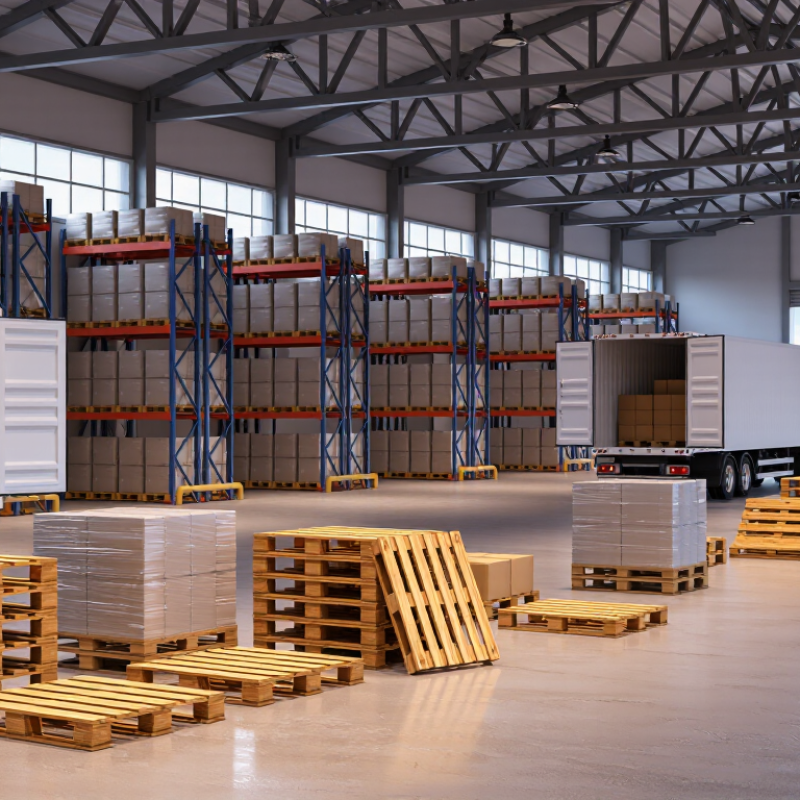
10 Best Pallet Space Calculators for Global Shipping?

What Is a Pallet Space Calculator and Why Does Global Shipping Need One?

A pallet space calculator estimates how much room a shipment will occupy inside a truck, container, or aircraft. It uses pallet length, width, height, quantity, and total weight. Some tools also calculate cubic volume and loading meters. These details help logistics teams compare transport options before booking cargo.

Global shipping needs this information because available space changes across routes and equipment. A pallet may fit on one vehicle but exceed height limits on another. Weight distribution matters too. An uneven load can create handling risks, delays, or extra charges. Experienced freight planners check the calculator’s result against carrier requirements, packaging measurements, and route restrictions. Small errors matter.

A reliable calculation begins with actual measurements, not estimates from an old invoice. Include pallets, cartons, wrapping, and protective materials. Record whether dimensions include overhang. It is not perfect. Software may overlook awkward shapes, stackability, fragile goods, or loading access. For this reason, users should leave practical clearance and confirm the final plan with a qualified shipping professional. A second measurement often prevents expensive corrections.


How to Measure Pallets and Enter Accurate Shipment Details

A reliable pallet space calculator is only as accurate as the details entered.

In warehouse work, I measure the pallet after loading, not before. Use a tape measure for the full length, width, and height. Include the pallet itself, packaging, corner protection, and any exposed wrapping. Measure from the floor to the highest fixed point. Do not estimate uneven cartons. That mistake is common.

Record the gross weight, not just the product weight. Use consistent units. Convert centimeters to meters before calculating cubic volume. Enter the number of pallets separately, especially when their sizes differ.

Mark each pallet as stackable, non-stackable, or partially stackable. A calculator may assume every pallet can be stacked safely, which can distort the required space.

I once entered the carton height but forgot the wooden base. The result looked efficient, yet the loading plan failed by several centimeters.

Review overhang carefully.

A carton extending beyond the pallet can affect trailer placement, warehouse clearance, and handling safety. If the tool requests loading meters, verify whether it uses pallet width, length, or a standard vehicle rule.

I compare the calculator’s result with a simple manual check: length multiplied by width multiplied by height. Leave no blanks.

Add notes for fragile packaging, unusual shapes, or pallets that cannot be turned. A quick photo beside a measuring tape can also support clearer communication with the freight team.

10 Best Pallet Space Calculators for International Freight Planning

Planning international freight begins with accurate pallet space calculations. A strong calculator converts pallet length, width, height, weight, and quantity into usable cargo space. It should also compare floor area, cubic volume, and loading metres. These figures support better container and truck decisions. Small errors matter. A pallet measured at 120 centimetres may need extra clearance for wrapping, handling, and safe stacking.

The ten best pallet space calculators for international freight planning should handle mixed pallet sizes and different loading rules. Look for tools that show remaining capacity, estimated pallet positions, and total shipment weight. Some calculators also test rotation, non-stackable cargo, and uneven height restrictions. Those features reflect real warehouse conditions. A clean visual layout helps teams check whether six pallets fit without relying on guesswork.

Reliable planning still requires human review. Calculator results can change when a carrier applies its own loading limits or when access equipment needs additional space. Measure twice. Details matter. I have found that entering rounded dimensions creates misleading confidence, especially for fragile or irregular freight. A better process records actual packed measurements, confirms the transport mode, and compares at least two loading scenarios. No calculator replaces a trained freight planner, but the right tool can expose wasted space before booking and reduce avoidable amendments.

10 Best Pallet Space Calculators for International Freight Planning

Compare the floor footprint of ten widely used pallet dimensions. Footprint area is calculated as pallet length × pallet width and helps estimate loading space before checking container or trailer capacity.

Dimensions are shown in millimetres. Actual freight capacity also depends on pallet height, load overhang, stacking restrictions, vehicle dimensions, and applicable loading regulations.

How to Compare Calculator Features, Accuracy, and Pricing

Choosing among the 10 best pallet space calculators requires more than comparing attractive screens. In global shipping, a polished interface is not enough. Compare support for pallet dimensions, cargo weight, stacking limits, orientation, and mixed loads. A useful tool should handle centimetres, inches, kilograms, and pounds without confusing conversions. It should also show how the final space estimate was calculated.

Test accuracy with a shipment you already understand. Enter the same pallet details into several calculators, then compare their results with a warehouse loading record. Small differences may come from rounding, clearance, or stacking assumptions. A trustworthy calculator explains these variables clearly. I once relied on a quick estimate that ignored aisle clearance. The quote looked efficient, but the warehouse plan needed more room. That mistake was avoidable.

Pricing needs equal attention. Free calculators may cover basic measurements, while paid plans can add saved projects, shared access, export files, or system connections. Check user limits, currency charges, renewal terms, and support response times. A low monthly price can become expensive when every shipment requires extra manual work. Look for practical evidence, such as calculation notes, update records, and independent testing. No tool is perfectly accurate. Your own cargo data still deserves careful review.

How to Choose the Right Pallet Space Calculator for Your Business

Choosing the right pallet space calculator starts with matching it to your shipping decisions. A tool built for warehouse storage may not suit international freight planning. In daily warehouse work, I measure the loaded pallet, not only the wooden base. Enter pallet length, width, height, gross weight, stackability, and loading restrictions. Do not rely on pallet count alone. A useful calculator should convert centimeters, inches, kilograms, and pounds without hidden rounding.

For global shipments, check whether the calculator supports containers, trailers, air cargo, and loading meters. It should explain how it calculates usable space. Look for visible limits on height, axle weight, pallet orientation, and aisle access. A reliable tool flags impossible combinations instead of producing a neat number. That warning can prevent a costly rework at the loading dock. It should also save scenarios and export results for warehouse teams, carriers, and purchasing staff.

Test the calculator with three recent shipments. Compare its estimates with loading sheets and the final carrier quote. Small differences are normal because equipment dimensions vary. Large gaps need investigation. They may reveal incorrect pallet measurements, poor stacking assumptions, or unused space around fragile goods. I have found that a ten-centimeter height error can change the loading plan. No calculator is perfect. Choose one that lets you edit assumptions, records the calculation path, and supports human review before booking.

10 Best Pallet Space Calculators for Global Shipping? – How to Choose the Right Pallet Space Calculator for Your Business

Rank Calculator Type Best For Required Inputs Core Calculation Reference Dimensions or Rules Typical Output Important Limitation
1 Pallet Count Calculator Estimating the number of pallets required for an order Carton length, width, height, carton quantity, pallet length and width Pallets required = ceiling(total cartons ÷ cartons per pallet) Uses the selected pallet footprint; height and weight limits must also be checked Pallet quantity A simple area calculation may overstate capacity if cartons cannot be rotated or interlocked.
2 Cartons-per-Pallet Calculator Determining how many identical cartons fit on one pallet Carton dimensions, pallet dimensions, maximum stack height and carton weight Cartons per layer × permitted layers, subject to height and weight limits Common reference footprints include 1,200 × 800 mm, 1,200 × 1,000 mm and 48 × 40 in Cartons per pallet The mathematically best orientation may not provide adequate stability or forklift clearance.
3 Pallet CBM Calculator Calculating palletized volume for ocean or air freight quotations Loaded pallet length, width, height and quantity CBM = length (m) × width (m) × height (m) × pallet quantity All measurements must use the same unit; 1 m³ = 1,000 liters Total cubic meters Chargeable volume may differ from physical volume because transport modes apply different rating rules.
4 Pallet Loading Pattern Calculator Comparing column-stack, brick-stack and mixed-orientation layouts Carton footprint, pallet footprint, permitted rotation and overhang allowance Tests lengthwise and crosswise arrangements to maximize cartons per layer A 1,200 × 800 mm pallet has a 0.96 m² footprint; a 1,200 × 1,000 mm pallet has a 1.20 m² footprint Best layer pattern A layout that maximizes quantity may reduce load stability, accessibility or packaging strength.
5 Pallet Height Calculator Checking warehouse, vehicle and container height restrictions Pallet height, carton height, number of layers and required clearance Total load height = pallet deck height + (carton height × layers) The usable height must remain below the applicable door, rack or deck clearance Maximum layers Actual usable height can be reduced by roof curvature, lashing equipment or uneven floors.
6 Pallet Weight and Cube Calculator Checking whether a pallet meets handling and transport limits Unit weight, units per carton, cartons per pallet and pallet tare weight Gross pallet weight = product weight + packaging weight + pallet tare Weight must be reported in kilograms or pounds consistently; do not mix net and gross weight Gross weight and CBM The result does not confirm the safe working load of a specific pallet or racking system.
7 Container Pallet Capacity Calculator Estimating pallet positions inside standard dry containers Container internal length and width, pallet footprint, loading orientation and access requirements Tests feasible rows and columns while preserving door and wall clearances A 20-foot container is commonly about 5.9 m long internally; exact dimensions vary by equipment Pallet positions Nominal container dimensions are not guaranteed; the carrier's equipment specification should control.
8 Truck and Trailer Pallet Space Calculator Planning domestic road transport and partial-load utilization Usable deck length and width, pallet footprint, axle limits and loading sequence Pallet positions = feasible floor layout after clearance and weight-distribution checks A standard European industrial pallet is 1,200 × 1,000 mm; vehicle bodies vary substantially Floor positions and utilization Floor space alone cannot validate axle balance, payload or legal road limits.
9 Air Freight Chargeable Weight Calculator Comparing actual weight with volume-based air-freight billing weight Actual gross weight, shipment volume and the applicable airline divisor Volumetric weight = volume × dimensional divisor; chargeable weight is the higher value A commonly used air-freight divisor is 6,000 cm³/kg, but contracts and carriers may differ Chargeable weight The applicable divisor, rounding rule and pallet acceptance policy must be confirmed with the carrier.
10 Mixed-SKU Pallet Optimization Calculator Building stable pallets from cartons with different sizes and weights SKU dimensions, quantities, weights, stacking rules, pallet limits and delivery sequence Optimization balances pallet count, cube utilization, weight distribution and handling constraints Heavy products should generally be placed lower; fragile or crush-sensitive cartons require specific rules Pallet plan and utilization rate Software results require a physical review for stability, center of gravity and product protection.