2026 Top Rack Automation Solutions for Global Buyers?
In today's rapidly evolving market, Rack Automation solutions are transforming warehousing and logistics. As businesses aim to enhance efficiency, these systems provide innovative ways to optimize space and streamline operations. Implementing Rack Automation can lead to significant improvements in productivity and accuracy, crucial for global buyers seeking competitive advantages.
Key players in the industry are pushing the boundaries of technology. They develop sophisticated systems that integrate seamlessly into existing infrastructures. However, not all solutions are perfect. Flexibility and scalability are vital, yet they can sometimes be overlooked in the rush for automation. Understanding the specific needs of each operation is fundamental.
As we venture into 2026, the landscape of Rack Automation will continue to evolve. Buyers must stay informed about the latest advancements. This ensures they choose solutions that not only meet current demands but also adapt to future challenges. The right Rack Automation can be a game-changer for efficiency, but careful consideration is essential to avoid potential pitfalls.
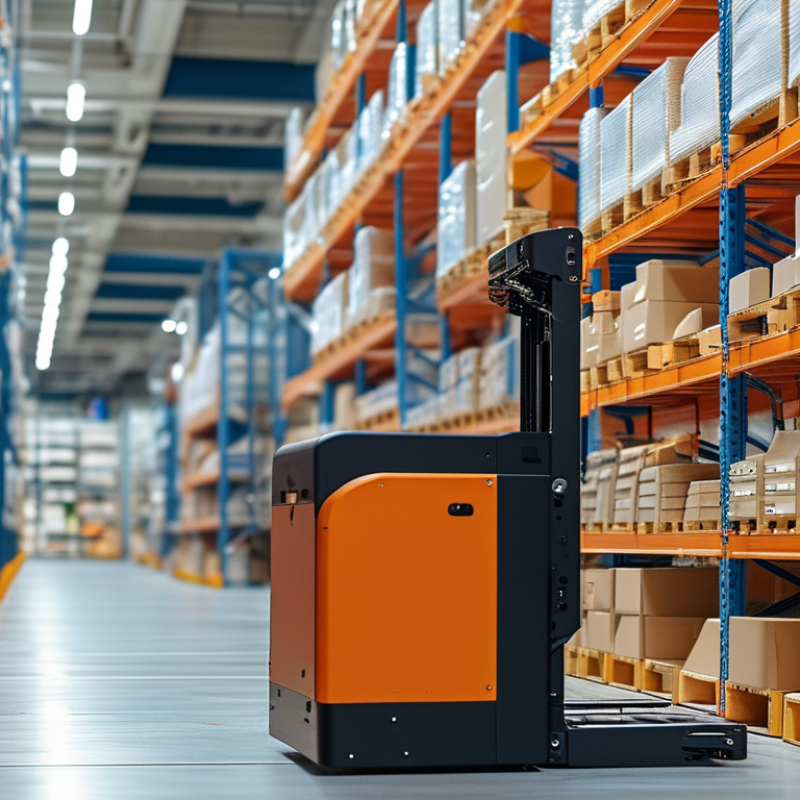
Overview of Rack Automation Solutions in 2026
As we approach 2026, the landscape of rack automation solutions is rapidly evolving. Companies are increasingly turning to automated systems to improve efficiency and reduce operational costs. These systems help streamline inventory management and order fulfillment. Each solution offers unique features, catering to various industry needs. However, not all solutions are perfect; some may require significant adjustments to fit existing workflows.
In the quest for optimal rack automation, understanding user requirements is crucial. Businesses must evaluate the specific challenges they face. Common issues include integration with legacy systems and the need for customizable options. This process is not always straightforward. It often involves trial and error. Engaging with experts in automation can help mitigate potential pitfalls. Collaborating with professionals ensures that the selected system aligns closely with business objectives.
Observing market trends is essential as we look ahead. Innovations in artificial intelligence and machine learning are likely to enhance rack automation's capabilities. Yet, with advancements come new complexities. Companies may struggle to keep pace with technology. Continuous learning and adaptation will be vital for success. Addressing these challenges proactively can lead to more reliable and efficient operations in the long run.
Key Players in the Global Rack Automation Market
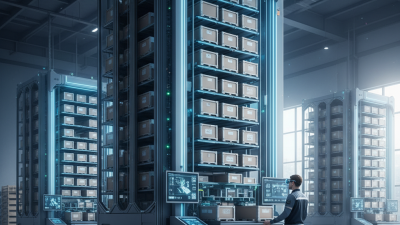
The global rack automation market is rapidly evolving. Key players are utilizing advanced technologies to enhance efficiency. These include automated storage and retrieval systems that optimize warehouse space. With greater demand for faster delivery, automation becomes crucial for companies seeking efficiency.
Many industry players focus on integrating artificial intelligence into their solutions. This integration aids in inventory management and order fulfillment. However, there are challenges. Some businesses face high initial investment costs. Others struggle with skills gaps among their workforce. Companies must navigate this landscape carefully as they seek competitive advantages.
Innovation is vital in this dynamic field. While many organizations strive for automation, not every approach yields success. Companies should assess their unique needs before implementing changes. Understanding the specific requirements of their operations can lead to more effective automation solutions.
2026 Top Rack Automation Solutions for Global Buyers
This chart represents the importance level of various factors influencing buyers in the global rack automation market for 2026. Storage efficiency and customer support are deemed most critical, while flexibility is slightly less prioritized.
Emerging Technologies Driving Rack Automation Innovations
Rack automation is rapidly evolving, driven by emerging technologies.
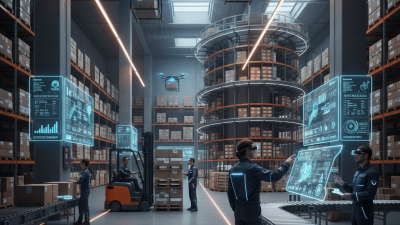
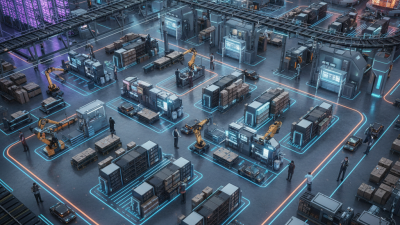
Robotics and artificial intelligence are at the forefront of these innovations.
They enhance the efficiency of warehouse operations, reducing labor costs and errors. Many businesses are rethinking their strategies to incorporate these technologies.
However, challenges remain.
Integration is often complex. Companies may face issues with existing infrastructure.
Adapting to new systems can be daunting. Employees require training, and this transition takes time. The implementation must align with operational goals to succeed.
Innovation should improve workflows, not complicate them further.
Data analytics is another significant driver. Real-time analytics enables smarter decision-making.
Businesses can optimize inventory management through predictive insights. Yet, reliance on data poses risks. Data accuracy is crucial.
Without it, the benefits of automation may diminish. Companies must carefully evaluate their data strategies while embracing automation.
Benefits of Implementing Automated Racking Systems
Automated racking systems are transforming inventory management across various industries.
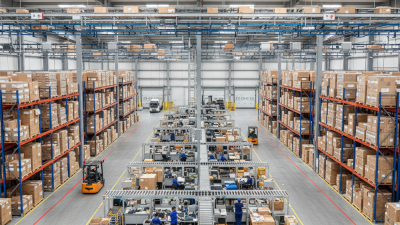
These systems increase efficiency by optimizing storage space. They allow for better organization and faster access to items.
As a result, companies can reduce labor costs and improve order accuracy.
Implementing automated racking not only streamlines operations but also enhances safety.
By minimizing manual handling, the risk of workplace injuries decreases.
However, companies must consider the initial investment. This technology requires a careful evaluation of long-term benefits versus costs.
It's important for businesses to assess their specific needs before making a decision.
While automated systems can improve efficiency, not every business may benefit equally.
Some companies might find it challenging to integrate automation into their existing workflows.
It's essential to approach this transition with a clear strategy.
A well-planned implementation can yield significant rewards, but it requires thorough analysis and adaptation.
Challenges and Considerations for Global Buyers in 2026
In 2026, global buyers face several challenges in rack automation solutions. A recent industry report indicates that supply chain disruptions have risen by 40% since 2020. The reliance on just-in-time inventory systems complicates this further. Buyers often struggle to maintain stock levels while ensuring quick delivery times.
Additionally, the increased demand for customization puts pressure on manufacturers. Many buyers report that tailored solutions often lead to longer lead times. A survey found that 65% of businesses are concerned about the potential delays in their operations due to this. It's a delicate balance between efficiency and flexibility.
Economic factors also play a significant role. With a projected 3% rise in global manufacturing costs in 2026, buyers need to reassess their budgets. Effective cost management becomes paramount. However, many businesses lack clarity on where to cut expenses without sacrificing quality. This uncertainty can lead to hesitation in decision-making. Considering these elements is crucial for anyone looking to invest in rack automation solutions.
2026 Top Rack Automation Solutions for Global Buyers - Challenges and Considerations
| Aspect |
Challenges |
Considerations |
Potential Solutions |
| Cost Efficiency |
High initial investment |
Total cost of ownership |
Flexible financing options |
| Technology Integration |
Compatibility with existing systems |
Software and hardware interoperability |
Modular solutions for easy upgrades |
| Scalability |
Limitations in expansion |
Future growth requirements |
Scalable automation platforms |
| Workforce Training |
Skill gaps in workforce |
Training duration and effectiveness |
Comprehensive training programs |
| Sustainability |
Environmental regulations |
Long-term sustainability goals |
Eco-friendly technologies |

 +8618862309186
 CONTACT NUMBER
 CONTACT NUMBER
 CONTACT NUMBER