2026 Top Racked Warehouse Solutions for Global Buyers?
As the global logistics landscape continues to evolve, the demand for efficient Racked Warehouse solutions is rising sharply. According to the latest report from Logistics Management, the warehousing sector is projected to grow by 7% annually, emphasizing the importance of innovative storage systems. In this context, Racked Warehouses have become essential for maximizing space and improving inventory management efficiency.
However, choosing the right Racked Warehouse solution can be challenging. Industry experts from the Warehousing Education and Research Council (WERC) highlight that improper racking systems can lead to significant operational inefficiencies. Inadequate designs may cause space wastage and increased costs. Furthermore, safety concerns can arise from poorly implemented racking solutions, necessitating careful planning.
It is crucial for global buyers to understand the nuances of Racked Warehouse solutions. A tailored approach, considering industry-specific needs, can lead to substantial benefits. The interplay of technology and design in these spaces can either enhance or hinder performance. Therefore, recognizing the importance of well-structured Racked Warehouses is vital for sustaining competitive advantage in today's fast-paced market.
Overview of Warehouse Racking Systems for 2026
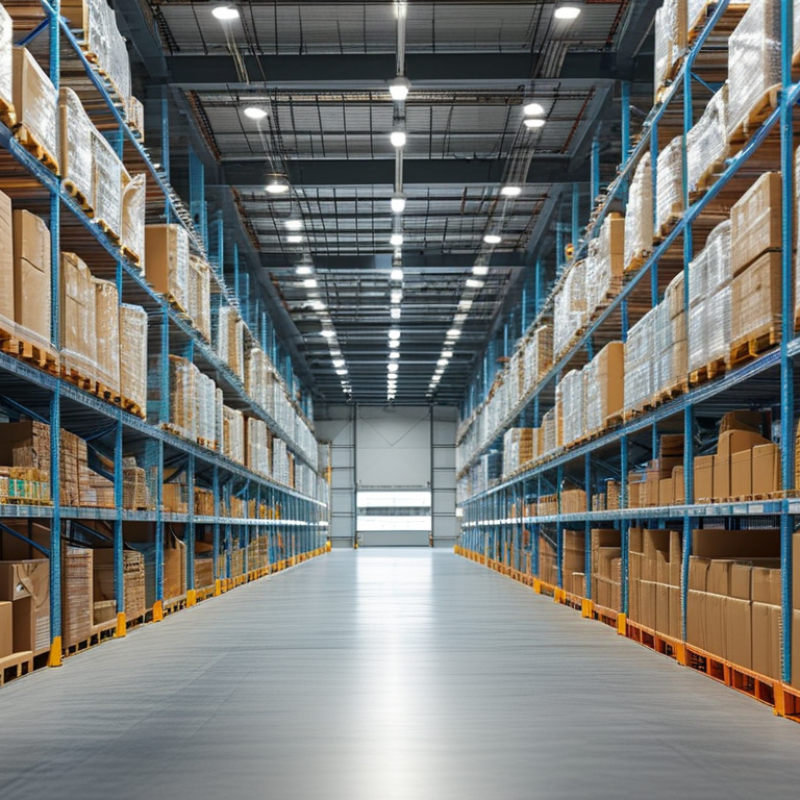
The warehouse racking systems of 2026 are evolving rapidly. As e-commerce continues to grow, the demand for efficient storage solutions increases. A recent industry report highlights that over 40% of warehouses expect to adopt new racking technologies by 2026. This shift is driven by the need for more space and improved accessibility.
Pallet racking, in particular, remains a cornerstone for many operations, but trends indicate a rise in automated options.
Innovative designs are now more common. Flow racking systems, for example, enhance inventory turnover by encouraging a first-in, first-out (FIFO) approach. This not only improves efficiency but also reduces product spoilage, which is crucial for perishable goods. However, many warehouses still struggle with identifying the right system for their specific needs. A balance between traditional racking and advanced automation is essential.
In terms of safety, the 2022 statistics showed that nearly 25% of warehouse accidents were related to racking failures. Addressing this concern is imperative. Regular inspections and employee training can mitigate risks, but the implementation of advanced racking systems could drastically improve safety. Research suggests that investing in better equipment pays off in the long run. As these challenges persist, the quest for the right warehouse solution remains a dynamic field for exploration.
Key Features of Top Warehouse Solutions for Global Buyers
When evaluating warehouse solutions for global buyers, several key features emerge as critical. Firstly, scalability is essential. Businesses often face fluctuating demands. A solution that can easily expand or contract will support growth and minimize waste. Flexible layouts can adapt to various needs, enhancing operational efficiency.
Another vital feature is real-time inventory tracking. This capability helps businesses monitor stock levels and streamline operations. With accurate data, companies can make informed decisions about restocking and order fulfillment. Automation tools can also aid in reducing human errors in inventory management.
Customer support and integration options are crucial considerations. A responsive support team can troubleshoot issues effectively. Furthermore, integration with existing systems is necessary to ensure seamless operations. Many solutions require adjustments. Evaluating compatibility can prevent potential disruptions down the line. Adopting the wrong system may lead to challenges that hinder productivity and efficiency.
Comparative Analysis of Different Racking Systems Available
When evaluating racking systems, several factors come into play. The choice of material is crucial. Steel is durable, while plastic is lightweight. Each material has its strengths and weaknesses. Steel racking offers stability but may rust. Plastic, though resistant to corrosion, may lack the robustness needed for heavy items.
Load capacity is another significant consideration. Some racks can hold thousands of pounds. Others are designed for lighter loads. It is vital to match the racking system to specific warehouse needs. Miscalculating this can lead to safety hazards or inefficiencies.
Additionally, the configuration of racking systems varies widely. Selective racks allow easy access but use more floor space. Drive-in racks save space but complicate access. High-density systems maximize storage but complicate inventory management. Assessing how a warehouse operates will guide the optimal choice. Regular evaluation of racking systems is also important. Changes in inventory or business needs may necessitate adjustments.
Innovative Technologies Shaping Warehouse Racking Solutions
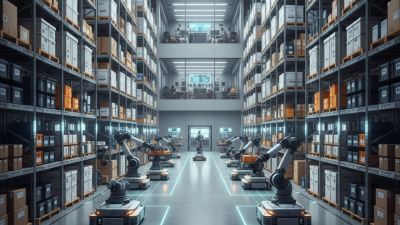
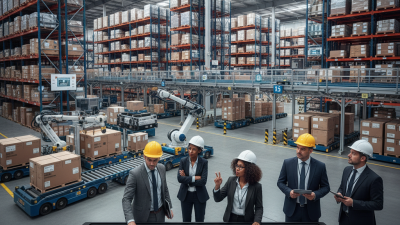
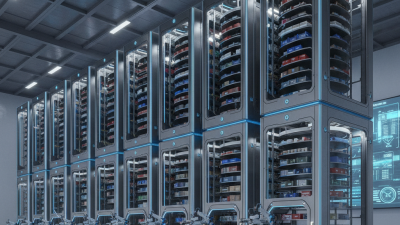
As the logistics industry evolves, warehouse racking solutions are being transformed by innovative technologies. Automation is a key trend shaping this landscape. Automated storage and retrieval systems enhance efficiency and maximize space utilization. These systems minimize human error and speed up inventory management. The integration of robotics helps in reorganizing inventory seamlessly.
Another notable technology is smart racking systems. These solutions use sensors and IoT devices to track inventory levels in real-time. This data-driven approach allows for better decision-making and reduces the risk of stockouts. However, not all warehouses are quick to adopt these technologies due to initial costs and training requirements. The transition can be challenging, with some facilities struggling to balance old processes with new technology.
Data analytics plays a critical role in modern warehousing. Analyzing patterns in inventory movement can lead to smarter racking strategies. Still, interpreting this data can be overwhelming for some managers. They may miss opportunities for optimization and continued improvement. Embracing change is essential, but it can be uncomfortable and require a cultural shift within organizations. The path may not be perfect, but the benefits of innovative warehouse racking solutions are undeniable.
2026 Top Racked Warehouse Solutions: Innovative Technologies
Sustainability Trends in Warehouse Design and Racking Solutions
Sustainability is revolutionizing warehouse design and racking solutions. In 2026, global buyers prioritize eco-friendly approaches. Innovative designs require materials that minimize environmental impact. Steel and recycled materials are in high demand. These elements help reduce the carbon footprint of warehouses.
Energy efficiency is another key focus. Advanced LED lighting and smart sensors cut electricity use significantly. Many warehouses now incorporate green roofs or solar panels. These features not only improve aesthetics but also enhance energy savings. However, the initial investment can be daunting for some businesses.
Reassessing warehouse space is crucial. Vertical storage solutions optimize space while minimizing waste. This also allows for better inventory management. Yet, companies must remain cautious about overloading systems. Balancing sustainability with operational efficiency is a challenge. Striking the right balance can lead to long-term benefits for both the environment and the business.
2026 Top Racked Warehouse Solutions for Global Buyers
| Warehouse Type |
Racking System |
Key Features |
Sustainability Practices |
Efficiency Rating |
| Automated Warehouse |
AS/RS (Automated Storage and Retrieval Systems) |
High throughput, space-saving design |
Renewable energy sources, energy-efficient designs |
4.8/5 |
| Cold Storage Warehouse |
Selective Racking |
Flexible access, cold chain compliance |
Insulation innovations, low-energy refrigeration |
4.5/5 |
| Retail Distribution Center |
Drive-In Racking |
Maximized storage density, FIFO management |
Recyclable materials, waste reduction practices |
4.6/5 |
| Manufacturing Warehouse |
Cantilever Racking |
Ideal for long and bulky items |
Energy-efficient lighting, sustainable sourcing |
4.7/5 |
| E-commerce Fulfillment Center |
Mobile Racking |
Maximized storage capacity, dynamic product flow |
Carbon-neutral operations, eco-friendly packaging |
4.9/5 |

 +8618862309186
 CONTACT NUMBER
 CONTACT NUMBER
 CONTACT NUMBER