What are the Benefits of Central Cold Storage for Global Buyers?
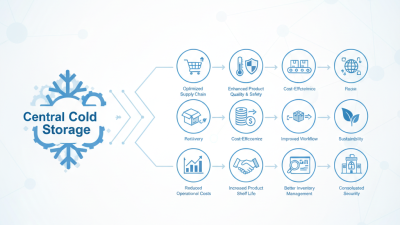
Central Cold Storage has become a crucial element in the global supply chain, especially for food and pharmaceutical industries. According to a 2021 report by Grand View Research, the cold chain market is projected to reach over $700 billion by 2027, highlighting its growing importance. Central Cold Storage facilities allow businesses to maintain product quality while optimizing logistics.
With temperature-sensitive goods, maintaining the right conditions is vital. Inadequate storage can lead to significant financial losses. Studies show that about 30% of perishable food is wasted due to improper handling. Central Cold Storage helps minimize this waste. Additionally, it enables global buyers to streamline inventory management and reduce transportation costs.
However, the transition to a centralized cold storage model poses challenges. Initial investment costs can be high, and finding the right location is critical. Businesses must also adapt their supply chains to ensure efficiency. While the benefits of Central Cold Storage are compelling, careful consideration is necessary for a successful implementation.

Benefits of Central Cold Storage: An Overview for Global Buyers
Central cold storage systems provide significant advantages for global buyers. These facilities enhance supply chain efficiency. According to a recent industry report, utilizing centralized cold storage can reduce transportation costs by up to 30%. This is critical for companies managing large inventories across diverse regions. Temperature-controlled environments ensure product freshness, minimizing spoilage during transit.
Cold storage facilities optimize inventory management. By keeping products in a stable environment, businesses can extend shelf life. This creates opportunities for longer sales windows, especially for perishable goods. A study revealed that companies using central cold storage experienced a 20% increase in overall profit margins due to reduced waste. However, establishing such systems requires careful planning and investment.
Tips: Consider energy efficiency when selecting cold storage solutions. Renewable energy sources can further enhance profitability. Ensure compliance with local regulations related to food safety and storage practices. Regular audits of storage conditions may identify areas needing improvement. A proactive approach can safeguard product quality and enhance trust among buyers.
Enhanced Supply Chain Efficiency through Centralized Storage Solutions
Central cold storage provides significant advantages for global buyers. It enhances supply chain efficiency, allowing for better inventory management and reduced wastage. A centralized storage solution can streamline logistics and improve communication across different regions. Enhanced visibility into stock levels helps in making informed decisions.
When utilizing central cold storage, it is essential to adapt to various regional requirements. Each location may have unique regulations or market demands. Consider implementing a flexible storage strategy that accounts for these factors. Engaging with local experts can also add significant value.
Tips for optimizing your cold storage: Monitor temperature and humidity levels regularly. This ensures product integrity and reduces spoilage. Encourage collaboration among stakeholders to enhance responsiveness. Regular audits can identify inefficiencies and provide opportunities for improvement. Embrace technology to track inventory in real-time. This allows for quick adjustments in the supply chain as needed.
Cost Savings: How Central Cold Storage Reduces Overall Operational Expenses
Central cold storage offers significant cost savings for global buyers by streamlining supply chain management. According to a recent report by the Cold Chain Federation, businesses can reduce operational costs by up to 30% by utilizing centralized storage solutions. This efficiency occurs as multiple buyers consolidate their inventory in one location. By doing so, they reduce transportation costs and avoid unnecessary stockpiling.
Moreover, centralized systems minimize energy expenses. A study from the International Institute of Refrigeration found that advancements in cold storage technology can reduce energy consumption by 20-50%. However, it's important to note that initial setup and maintenance costs can be high. Buyers must conduct thorough analyses to ensure the long-term benefits outweigh these starting expenses.
In addition to energy savings, efficient inventory management leads to less waste. The United Nations reports that around 1.3 billion tons of food waste occur globally each year. Central cold storage helps address this issue by ensuring products are stored in optimal conditions, prolonging shelf life. However, the challenge remains in ensuring that all stakeholders adhere to temperature control protocols. This requires ongoing training and investment in monitoring technologies.
Benefits of Central Cold Storage for Global Buyers
Quality Preservation: Impact of Cold Storage on Perishable Goods
Cold storage plays a crucial role in the preservation of perishable goods. It slows down the decay process, extending the shelf life of products like fruits, vegetables, and dairy. This storage method controls temperature and humidity, creating an ideal environment. When products are stored at the right conditions, they maintain their flavor, texture, and nutritional value.
However, the implementation of central cold storage requires careful management. If the temperature fluctuates, it can lead to spoilage. This risk highlights the importance of reliable monitoring systems. Regular checks are essential to ensure that the goods remain in optimal condition. Moreover, the initial investment for cold storage can be significant, and smaller businesses may struggle to manage costs effectively.
Despite these challenges, the advantages of central cold storage often outweigh the risks. For global buyers, the ability to access fresh produce year-round is invaluable. It allows businesses to meet customer demand consistently. Efficient cold storage can also reduce food waste, which is a growing concern worldwide. In the end, investing in quality preservation through cold storage is a step towards sustainability.
Environmental Sustainability: The Role of Central Cold Storage in Reducing Waste
Central cold storage facilities play a vital role in promoting environmental sustainability. These systems help reduce food waste significantly. When products are stored at optimal temperatures, spoilage decreases. This leads to fresher food reaching consumers. Consequently, less food ends up in landfills.
Additionally, central cold storage can lower carbon footprints. By consolidating goods in a controlled environment, energy efficiency is improved. Efficient refrigeration systems utilize less energy and minimize emissions. As global buyers prioritize sustainability, adopting central cold storage practices is becoming essential.
Tips for maximizing benefits include regularly monitoring storage conditions. Use data analytics to track inventory levels and reduce overstocking. Invest in energy-efficient refrigeration systems to cut costs over time. Thoughtful storage decisions impact both business success and environmental health, leading to a greener future.

 +8618862309186
 CONTACT NUMBER
 CONTACT NUMBER
 CONTACT NUMBER