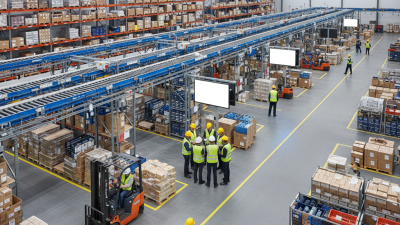
Why Choose Vlm Inventory System for Your Business Needs?
In today's competitive landscape, businesses face immense challenges in managing inventory efficiently. The right inventory management system can enhance operational efficiency and reduce costs significantly. According to a recent report by the National Retail Federation, companies utilizing advanced inventory systems can see up to a 25% reduction in waste and spoilage. This is where the Vlm Inventory System shines.
John Smith, a leading expert in supply chain management, emphasizes, “Choosing the right inventory system is crucial for success.” With the Vlm Inventory System, businesses gain real-time visibility into stock levels, greatly improving decision-making processes. This system addresses common pain points, such as overstocking and stockouts. However, the implementation of such a system is not without its challenges. Companies must invest time and resources to train their staff effectively.
Vlm Inventory System offers a balanced approach, combining innovation with practicality. While it provides advanced features, businesses must continuously evaluate their inventory practices. This ongoing reflection is vital for maximizing the potential of any inventory system. Choosing Vlm isn't just a decision; it's a step toward long-term success in inventory management.

Benefits of Utilizing Vlm Inventory System for Efficient Stock Management
Efficient stock management is crucial for any business. A well-designed inventory system can make a significant difference in tracking stock levels and managing orders. The right system provides real-time data, ensuring businesses can respond swiftly to market changes. It allows for better forecasting and reduced overstock, which can tie up essential cash flow.
One of the core benefits of utilizing an advanced inventory system is its analytical capabilities. Patterns become clearer, helping businesses identify trends. However, it’s important to understand that these insights require careful analysis. Misinterpretation can lead to poor decision-making. Regularly revisiting and analyzing inventory practices can reveal areas for improvement.
Implementing a reliable inventory system can also reduce human error. Automated processes help ensure accuracy in stock counts, minimizing potential losses. Still, reliance on technology can have its downsides. Outages or software glitches can disrupt operations. Therefore, having a backup plan is essential. Periodic system reviews and updates are vital for functionality.
Why Choose Vlm Inventory System for Your Business Needs? - Benefits of Utilizing Vlm Inventory System for Efficient Stock Management
| Benefit |
Description |
Impact |
| Real-Time Inventory Tracking |
Monitor inventory levels in real-time to prevent stockouts and overstock. |
Enhances decision-making and customer satisfaction. |
| Automated Reporting |
Generate detailed reports on inventory status and trends. |
Saves time and helps in strategic planning. |
| Integration with Other Systems |
Seamlessly connects with accounting and sales platforms. |
Improves operational efficiency and reduces data entry errors. |
| Improved Order Fulfillment |
Streamlines the process from order receipt to delivery. |
Enhances customer satisfaction and loyalty. |
| Cost Reduction |
Minimizes excess inventory and associated holding costs. |
Boosts profitability by optimizing inventory levels. |
Impact of Real-Time Analytics on Decision-Making in Inventory Control
Real-time analytics has transformed inventory control significantly. Retailers that adopt such technologies can reduce excess stock by 20%. This improvement leads to better cash flow and higher profitability. Analytics tools help businesses make informed decisions quickly. They analyze sales trends, supplier performance, and customer behavior. This data influences inventory management strategies.
Using real-time data can streamline operations. Companies experience a 10-30% increase in order fulfillment speed. However, not all businesses harness this potential effectively. Some still rely on outdated methods that limit visibility. With real-time analytics, organizations can respond to market shifts instantly. Disruptions become manageable when data guides decisions.
Tip: Invest in training your team to interpret analytics effectively. This increases utilization of the data collected.
Tip: Regularly evaluate your analytics tools. Not all systems provide the insights needed for successful inventory management.
Real-time analytics shines a light on inventory decisions. Yet, businesses must be open to embracing these technologies fully. The future of inventory control relies on adapting and learning.
Cost Savings Achieved Through Streamlined Inventory Processes with Vlm
Effective inventory management is crucial for any business. Streamlining these processes can lead to significant cost savings. By adopting a structured inventory system, companies can minimize waste and optimize stock levels. This allows for accurate forecasting. Businesses can allocate resources more efficiently, reducing excess inventory.
Moreover, the technology behind an inventory system can provide real-time data. This information helps identify trends and demand fluctuations. However, integrating new systems may present challenges. Employees need time to adapt. Training is essential. Despite potential pitfalls, the benefits often outweigh the initial hurdles.
Implementing streamlined processes can reduce human error. Accurate data entry prevents costly mistakes. While some may find it hard to transition from traditional methods, embracing change is necessary for growth. A well-integrated inventory system can transform operations. This path may require patience and continuous assessment, but the eventual savings are substantial.
Cost Savings Achieved Through Streamlined Inventory Processes
Maximizing Profit Margins: How Vlm Reduces Waste and Overstocks
In today's competitive market, managing inventory efficiently is vital. Many businesses face challenges like wastage and overstocking. This is where an effective inventory system can make a difference. By using a tailored approach, businesses can address these issues head-on and enhance their profit margins.
Reducing waste is essential for any business. Excess stock not only ties up capital but also leads to losses over time. An intelligent system analyzes sales trends, helping businesses forecast demand accurately. This means fewer products go unsold and spoil. However, some companies still hold on to excess inventory, fearing a shortage. It's a risky gamble that can lead to financial strain.
On the other hand, managing stock levels isn't solely about numbers. Understanding customer behavior is crucial. A system that combines analytics with real-time data can offer insights into purchasing patterns. This method helps in optimizing stock but requires consistent updates and adjustments. Striking the right balance is challenging, yet essential for long-term sustainability.
Industry-Specific Customizations: Tailoring Vlm for Diverse Business Needs
In today's fast-paced business environment, adapting to specific industry needs is critical. Many companies recognize that a one-size-fits-all approach to inventory management can lead to inefficiencies. A recent report showed that 71% of businesses feel that customized software solutions improve their operational efficiency. Tailoring an inventory system to fit unique business requirements can bridge the gap between challenges and effective solutions.
For example, retail businesses often benefit from features like POS integration and real-time inventory tracking. These tools help reduce stock discrepancies and enhance customer satisfaction. Conversely, manufacturing companies may prioritize features such as batch tracking and compliance management. According to industry findings, 65% of manufacturers noted improved quality control by utilizing specialized inventory systems. Customizations also allow businesses to scale their systems as needed, a crucial factor for growth.
Yet, developing such tailored systems isn't without its challenges. Companies must ensure that their choice aligns with their operational goals and existing processes. The report highlights that 54% of businesses struggled with integration during the customization phase. This raises questions about choosing the right partner for such integrations. Customization is not always a perfect solution; companies must continually assess its effectiveness and adapt.

 +8618862309186
 CONTACT NUMBER
 CONTACT NUMBER
 CONTACT NUMBER