Why is Maximizing Pallet Space Essential for Global Sourcing?
Maximizing pallet space is crucial for global sourcing, especially in today's competitive market. According to a recent report by the Logistics Management Institute, efficient pallet usage can reduce shipping costs by up to 30%. This substantial saving highlights the importance of optimizing pallet space for businesses looking to stay profitable.
Industry expert John Harrison, a leading figure in logistics optimization, emphasizes, "Efficient pallet space utilization is not just a cost-saving measure; it's a strategic advantage." Every inch of pallet space counts in warehousing and transportation. A failure to maximize this space can lead to wasted resources and inefficient operations.
Yet, many companies struggle with this aspect of logistics. They often overlook the complexities of packing and loading, impacting their bottom line and complicating global supply chains. It’s essential for businesses to reflect on their current practices. Improving pallet space usage is not a simple task, but it is a necessary one for sustainable growth.
Understanding Pallet Space and Its Importance in Logistics
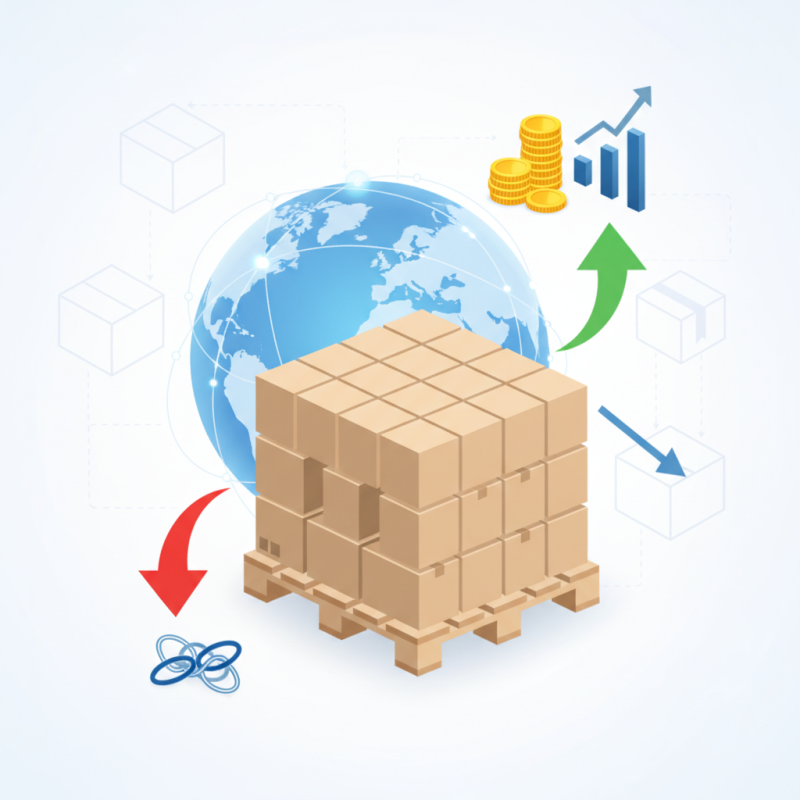
Maximizing pallet space is crucial in logistics, especially for global sourcing. Pallets serve as the foundation for transporting goods. Efficient use of pallet space allows businesses to lower shipping costs and reduce environmental impact. A well-planned loading strategy ensures that every inch counts. This is not just about fitting items onto a pallet; it’s about strategic positioning.
Understanding pallet space requires knowledge of different sizes and weight limits. Each type of pallet can hold various goods, but overcrowding leads to damage. Miscalculations can result in product loss or delays. Companies must take time to analyze their inventory. It’s essential to match packaging dimensions with pallet configurations effectively.
Logistics teams often face challenges with optimizing space. Inefficiencies with palletizing can increase operational costs. Mistakes can occur when analyzing load capacity or choosing the wrong pallet size. This reflects the need for regular training and updates on supply chain practices. Continuous improvement in pallet space management ultimately supports a company's bottom line.
The Role of Pallet Space in Cost Efficiency for Global Sourcing
Maximizing pallet space is a key factor in achieving cost efficiency for global sourcing. Efficient use of pallet space can reduce transportation costs significantly. According to industry reports, optimizing space can save up to 10% in logistics expenses. For global sourcing, every inch of pallet space matters. When space is wasted, it directly impacts shipping costs and delivery times.
The need for efficient pallet usage extends beyond freight savings. Each pallet unit must be carefully loaded to maximize value. A study by the Council of Supply Chain Management Professionals highlighted that inefficient loading can lead to a 20% increase in costs. Logistics professionals are constantly seeking ways to enhance their packing methods. Yet, many still face challenges with standardization and consistency during loading.
Furthermore, the importance of pallet space goes beyond mere financial metrics. Companies often grapple with balancing cost and operational efficiency. The fluctuating costs of materials and transportation add pressure. Organizations need to reflect on their current strategies and explore innovative techniques. Adopting advanced technology can help streamline packing processes. This shift can ultimately create a more sustainable supply chain network.
Strategies for Maximizing Pallet Space in Supply Chain Management
Maximizing pallet space is crucial for efficient supply chain management. It directly impacts shipping costs and inventory levels. When pallets are optimally loaded, it reduces the number of trips needed to transport goods. This not only saves fuel but also minimizes labor costs.
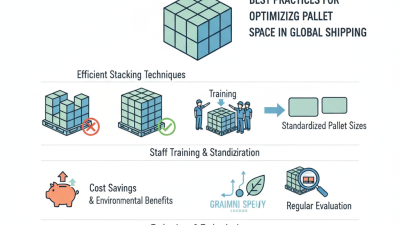
One effective strategy involves using adjustable pallet racking systems. These allow for flexibility in storage and help accommodate different product sizes. Additionally, employing proper stacking techniques maximizes vertical space. However, companies often overlook the importance of training staff on these methods. A lack of training can lead to improper loading, resulting in wasted space.
Regular audits of pallet usage can reveal inefficiencies. Not every layout suits every product. Sometimes, a simple reorganization can yield better results. Companies should also consider investing in software solutions to analyze loading patterns. This data-driven approach identifies further opportunities for optimization and ensures ongoing improvements in the supply chain.
Impact of Effective Pallet Utilization on Environmental Sustainability
Effective pallet utilization is vital for enhancing environmental sustainability in global sourcing. According to a 2022 report by the Environmental Protection Agency, optimizing pallet space can reduce transportation emissions by up to 30%. This reduction is significant, considering that freight transport accounts for approximately 9% of total greenhouse gas emissions in the U.S. Efficient use of space leads to fewer trips needed, which directly correlates with lower fuel consumption and emissions.
Maximizing pallet space not only benefits the environment but also reduces waste. The World Economic Forum (WEF) states that poorly utilized shipping space can lead to increased packaging waste, adding to landfills. A well-planned pallet design minimizes excess packaging materials, promoting both cost savings and sustainability. However, many businesses still grapple with inefficient loading practices, resulting in unnecessary resource use.
Moreover, industry experts suggest that improving pallet utilization carries a ripple effect. Reduced transportation costs can stimulate more eco-friendly sourcing practices, encouraging companies to consider green suppliers. Yet, the transition is not always straightforward. Organizations often lack the right tools or training to maximize their pallet efficiency effectively. Aiming for improvement in this area requires not only commitment but also a willingness to embrace new technologies and strategies.
Challenges and Solutions in Optimizing Pallet Space for Global Trade
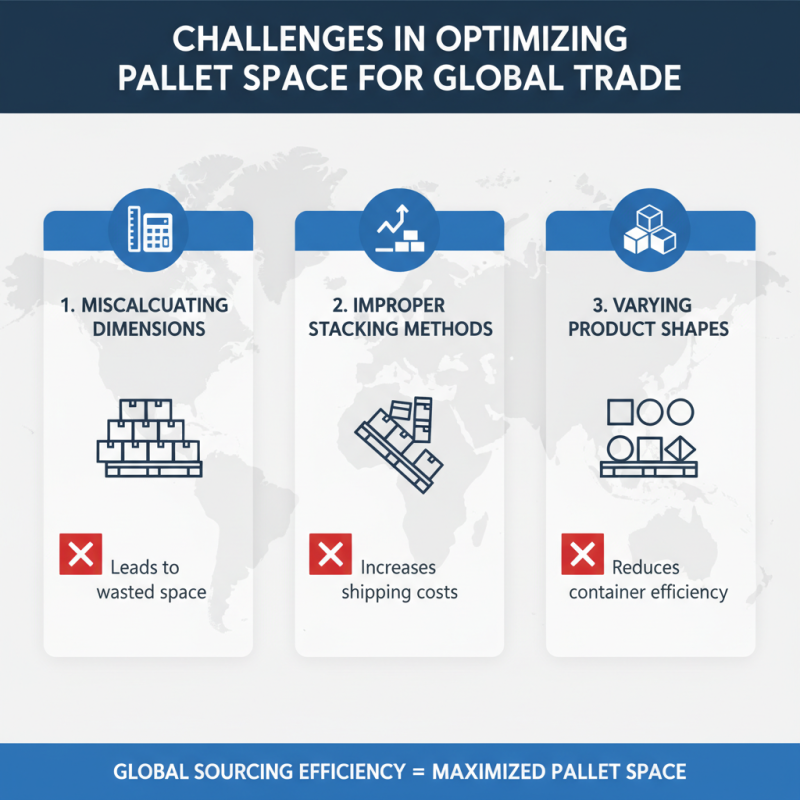
In the realm of global sourcing, maximizing pallet space is crucial. It directly impacts shipping efficiency and cost management. However, several challenges arise when attempting to optimize pallet usage. Miscalculating dimensions, improper stacking methods, and varying product shapes complicate the process. Each challenge can lead to wasted space and higher shipping costs.
To tackle these issues, companies can adopt efficient pallet designs. Utilizing modular pallets allows for better variation in load configurations. This flexibility accommodates different product shapes, reducing empty space. Additionally, employing digital tools can help simulate loading scenarios. With accurate modeling, stakeholders can find optimal configurations more quickly.
Tips: Always measure items before planning your pallet layout. Understand the weight limits for stacking. Regular training on loading best practices can enhance team efficiency. Remember, a small change in pallet strategy can yield significant savings over time. Continuous evaluation of your loading processes will ensure ongoing improvements.

 +8618862309186
 CONTACT NUMBER
 CONTACT NUMBER
 CONTACT NUMBER