How to Optimize Rack Automation for Maximum Efficiency?
In today’s rapidly evolving logistics landscape, optimizing Rack Automation is critical for maximizing efficiency. According to a report by the Warehousing Association, companies that invest in automation can increase their operational efficiency by up to 30%. Yet, many businesses still struggle with implementation. Dr. Emily Chang, a leading expert in warehouse automation, emphasizes, “The right Rack Automation strategy can transform your warehouse from a bottleneck into a streamlined operation.”
The challenge lies in understanding the unique needs of each facility. Rack Automation systems must be tailored to the specific layout and inventory type of a warehouse. This personalized approach is essential, as a one-size-fits-all solution often leads to inefficiencies. Data from the Automation Insights report indicates that 65% of businesses fail to analyze their workflow before implementing automation, resulting in wasted resources.
Moreover, the rapid pace of technology means that continual adjustment is necessary. Not all automated systems perform well over time. Regular evaluations are crucial. Companies must not only invest in initial automation but also keep improving their systems. This reflection on existing processes can reveal significant opportunities for enhancement in Rack Automation strategies.
Understanding Rack Automation: Key Concepts and Technology Frameworks
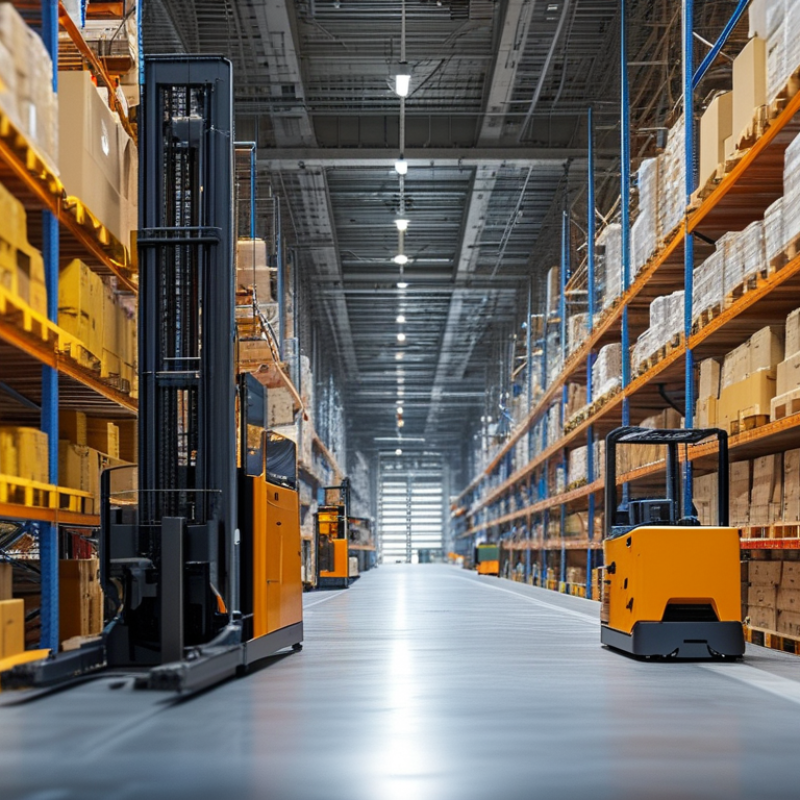
Rack automation involves the integration of various technologies to enhance operational efficiency. Understanding key concepts, such as the architecture of automated systems and communication protocols, is crucial. These elements work together to create a streamlined workflow. For instance, a standardized system facilitates interoperability among different devices. When systems are compatible, efficiency improves dramatically.
Tips: Regularly assess your system's performance. Identify bottlenecks in processes. This can lead to unexpected insights.
The technology framework for rack automation includes software solutions, sensors, and control systems. Each component plays a vital role. Software applications can optimize inventory management, while sensors provide real-time data. However, it’s important to remember that technology is not infallible. Implementing complex systems may create new challenges.
Tips: Engage with your team for feedback. They can spot areas for improvement. A collaborative approach often reveals hidden issues.
Assessing Current Efficiency Levels in Rack Operations Using Metrics
Assessing current efficiency levels in rack operations is crucial for optimizing automation. Start by gathering relevant metrics, such as cycle time, error rate, and equipment utilization. These data points provide insights into your operation's strengths and weaknesses. For example, if the cycle time is longer than industry standards, it’s time to investigate.
Tips: Monitor inventory levels closely. High stock can lead to delays. Consider implementing a just-in-time system. This approach reduces clutter and streamlines picking processes.
Evaluating error rates also aids in identifying training needs. Analyze the frequency and types of errors to pinpoint gaps in staff knowledge. Regular training sessions can remedy this situation. Automated quality checks may also help in maintaining accuracy.
Tips: Use visual management tools. They can offer real-time insights and help visually assess workflow bottlenecks. Create a feedback loop with your team for continuous improvement. It’s important to encourage open communication about challenges.
Ultimately, the goal is to visualize your efficiency metrics effectively and make data-driven decisions. Reflect on your findings frequently. Not every automation process will be perfect. Constant assessment and adaptation lead to significant improvements over time.
Implementing Advanced Robotics and AI for Streamlined Processes
In the realm of warehouse automation, the integration of advanced robotics and artificial intelligence (AI) is transforming operations. Recent studies indicate that companies leveraging these technologies can achieve efficiency gains of up to 30%.
Robots streamline picking processes, reducing the time workers spend on repetitive tasks. This shift not only optimizes labor costs but also enhances accuracy in inventory management.
AI algorithms analyze data to forecast demand patterns. They help in organizing inventory strategically. For instance, based on a report by the Warehousing Education and Research Council, organizations utilizing AI can improve stock turnover rates by over 15%. Workers can focus on more complex tasks, fostering a more skilled workforce.
However, not all companies see immediate results. Some struggle with the initial costs and the learning curve associated with implementing these technologies.
Incorporating robotics and AI raises questions about workforce displacement. A study from the International Federation of Robotics points out that automation may eliminate certain jobs but creates opportunities in tech and system management.
Balancing automation and human employment requires careful strategy. Continuous training helps employees adapt, ensuring a harmonious transition into a more tech-driven environment.
Integrating IoT Solutions for Real-Time Data and System Monitoring
Integrating IoT solutions into rack automation is crucial for enhancing efficiency. Real-time data and system monitoring can greatly improve operations. By using connected sensors, businesses can gather insights on rack performance. This data is essential for making informed decisions. It can signal when maintenance is needed or when a system is operating suboptimally.
However, the implementation of IoT is not without challenges. Many companies struggle with data overload. An influx of information can make it difficult to discern actionable insights. Furthermore, cybersecurity risks pose a significant threat. Protecting sensitive data while ensuring seamless integration is a constant balancing act. Organizations must develop robust security protocols to safeguard their systems.
The ability to monitor equipment in real-time provides undeniable advantages. Routine adjustments can be made, leading to operational improvements. Yet, the value of IoT extends beyond immediate gains. It also fosters a culture of continuous improvement. Companies should regularly assess their IoT ecosystems, identifying areas for enhancement. Adopting this mindset ensures that rack automation evolves alongside technological advancements.
Evaluating the Return on Investment (ROI) of Rack Automation Upgrades
Evaluating the return on investment (ROI) of rack automation upgrades is crucial for any business. Effective analysis can reveal the benefits that justify the costs involved. Automated racks can reduce labor costs and minimize errors. They optimize storage space by allowing for better inventory management. However, initial investments can be significant.
It's important to measure both tangible and intangible benefits. Tangible benefits include labor savings and improved efficiency. Intangible benefits might involve enhanced employee satisfaction and reduced stress. Many businesses overlook these aspects. Understanding them is essential for a complete ROI evaluation.
The break-even point should be calculated carefully. It can take time to see a return. Companies must consider ongoing maintenance and potential disruptions during installation. Reflecting on these details can help avoid unexpected pitfalls. A thorough assessment ensures that decisions are data-driven and aligned with long-term goals.
Optimizing Rack Automation: ROI Analysis
This chart illustrates the return on investment (ROI) analysis of rack automation upgrades, highlighting the initial investment compared to various benefits such as annual savings, increased output, downtime reduction, and maintenance costs.

 +8618862309186
 CONTACT NUMBER
 CONTACT NUMBER
 CONTACT NUMBER