China Best ASRS Solutions for Efficient Warehouse Management?
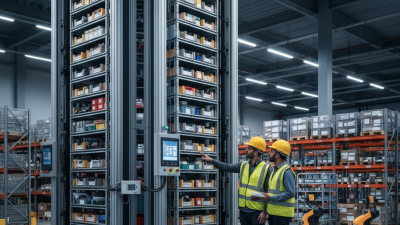
In the realm of modern logistics, efficient warehouse management plays a crucial role. As technology evolves, businesses are seeking the best ASRS solutions to optimize operations. Automated Storage and Retrieval Systems (ASRS) provide innovative methods to enhance inventory management and streamline processes. These systems reduce human error and increase speed, which is vital in a competitive market.
China is becoming a leader in implementing advanced ASRS solutions. Many companies are investing in these technologies to maximize productivity. With increasing demand for quick deliveries, relying on traditional methods is no longer sufficient. Businesses must adapt and integrate smart warehousing techniques to stay relevant.
However, choosing the right ASRS solutions is challenging. Not every system suits every warehouse. A thoughtful evaluation of specific needs is essential. Companies should consider factors like space, type of inventory, and budget. By focusing on these aspects, businesses in China can successfully implement efficient warehouse management practices.
Overview of ASRS Technology in China
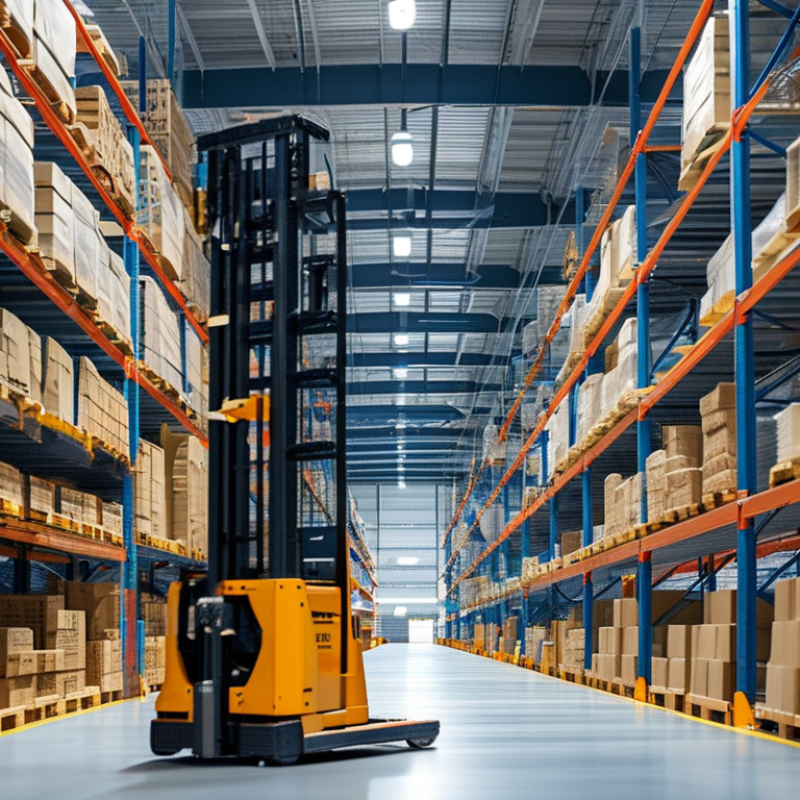
Automated Storage and Retrieval Systems (ASRS) have transformed warehouse management in China. These systems boost efficiency and optimize space, making logistics operations smoother. Companies are increasingly adopting ASRS to meet growing e-commerce demands. The technology minimizes human errors, reduces labor costs, and enhances inventory accuracy.
Tips: Regular system maintenance is crucial for optimal performance. Conducting audits ensures that everything functions correctly. Also, training staff on ASRS can improve overall workflow.
Adapting ASRS is not without challenges. The integration process varies from warehouse to warehouse. Some facilities may experience downtime during installation. It's essential to plan for possible disruptions. Moreover, while ASRS can save money in the long run, initial costs can be significant. Evaluate your warehouse layout before investing in this technology.
Further, consider future scalability. As your business grows, your ASRS should accommodate increased volume. This foresight can prevent costly upgrades down the line. Ultimately, a strategic approach to ASRS implementation can lead to significant warehouse improvements.
Key Features of Efficient ASRS Solutions
Automated Storage and Retrieval Systems (ASRS) are transforming warehouse management in China. Their efficiency is evident in various industry reports. For instance, the global ASRS market is projected to reach $10.24 billion by 2026, growing at a CAGR of 9.17%. This indicates a rising demand for streamlined operations.
Key features of efficient ASRS include high-density storage. These systems utilize vertical space effectively, maximizing storage capacity. In a typical warehouse, ASRS can increase storage efficiency by up to 60%. This allows businesses to reduce their footprint, cutting real estate costs significantly. Additionally, the speed of retrieval is crucial. ASRS can reduce picking times by 50%, leading to faster order fulfillment.
However, there are challenges to consider. Implementation costs can be high, and integration with existing systems might require significant adjustments. A study suggests that 25% of businesses face integration difficulties during deployment. Without proper planning, these systems can produce more frustration than efficiency. It’s essential to weigh these factors carefully. Ultimately, a well-implemented ASRS can offer substantial benefits for those ready to invest in modernization.
Leading ASRS Providers in the Chinese Market
In the rapidly evolving landscape of warehouse management, automated storage and retrieval systems (ASRS) are crucial. China has emerged as a significant player in providing innovative ASRS solutions. The demand for efficient warehouse operations has driven many companies to seek reliable automation technology.
Leading ASRS providers in China offer a range of solutions tailored to various industry needs. These systems enhance space utilization and improve inventory accuracy. However, companies must be cautious. Not all providers deliver equal performance or reliability. Assessing each option requires careful consideration. Subpar systems can lead to costly downtime and operational inefficiencies.
The best ASRS solutions focus on adaptability and scalability. As businesses grow, their storage requirements change. Solutions that cannot evolve may hinder warehouse effectiveness. Collaboration with experienced partners ensures smoother integration. However, experience from the field suggests ongoing training is essential. Employees need to understand both the technology and its limitations. Feedback loops can help refine operations over time.
Case Studies of Successful ASRS Implementations
Automated Storage and Retrieval Systems (ASRS) are transforming warehouse management. Several companies have successfully implemented ASRS, showcasing remarkable efficiency increases. For instance, a logistics center in China reported a 30% improvement in order picking speed after adopting ASRS technology. This system minimizes human error and maximizes storage density, making it a smart choice for warehouses.
In another case, a retail giant optimized its space by 50% using ASRS. The integration of advanced robotics and machine learning has streamlined operations significantly. A recent industry report indicates that ASRS systems can reduce operational costs by up to 40%. However, not all implementations are seamless. Some facilities face challenges with system integration and initial costs.
Tip: Conduct thorough assessments before implementation. Identify specific needs and existing warehouse layouts. This will help in selecting the right ASRS solution.
Even with success stories, some companies struggle with staff adaptation. Training employees takes time and investment. Regular feedback sessions can help ease this transition. Understanding both technological advantages and potential pitfalls is crucial for sustained success.
China Best ASRS Solutions for Efficient Warehouse Management
| Implementation Example |
Industry |
ASRS Type |
Key Benefits |
Efficiency Improvement (%) |
| Case A |
E-commerce |
Shuttle System |
Reduced labor costs, faster retrieval times |
30% |
| Case B |
Automotive |
Vertical Lift Module |
Increased storage density, improved picking accuracy |
25% |
| Case C |
Pharmaceutical |
Automated Pallet Storage |
Enhanced safety compliance, streamlined inventory management |
35% |
| Case D |
Retail |
Robotic ASRS |
Greater flexibility, reduced downtime |
40% |
Future Trends in Automated Warehouse Management in China
The future of automated warehouse management in China is promising. Advanced technologies like automation and AI are transforming traditional warehouse operations. A recent study indicates that 80% of companies are looking to upgrade their warehouse systems by 2025. These upgrades will enhance efficiency, reduce labor costs, and streamline supply chains.
However, there are challenges. Many businesses struggle to integrate new technologies with existing systems. A report by the China Federation of Logistics and Purchasing highlights that around 40% of logistics firms face difficulties in automation adoption. Employee training is another critical aspect. Workers may resist changes, impacting productivity.
Data shows that implementing automated storage and retrieval systems (ASRS) can improve storage density by 60%. Yet, these systems require substantial upfront investment. Companies need to balance costs and benefits. Consumer demands are shifting rapidly, making adaptability essential. The evolving landscape of automated warehouse management in China presents both opportunities and areas for reflection.

 +8618862309186
 CONTACT NUMBER
 CONTACT NUMBER
 CONTACT NUMBER