How to Successfully Implement WMS for Global Procurement?
In today’s global procurement landscape, effective WMS implementation is crucial for operational success. A report by Grand View Research indicates that the Warehouse Management Systems market is expected to grow at a CAGR of 14.6% from 2021 to 2028. This demonstrates the increasing reliance on technology in supply chain management. According to industry expert Dr. Karen Smith, “Successful WMS implementation is not just about the technology; it’s about aligning it with your business processes.”
Challenges in WMS implementation often stem from inadequate planning or stakeholder involvement. Organizations may underestimate the necessary training for staff, which can lead to disruptions. Transitioning to a new WMS presents risks, yet the rewards can be significant. Enhanced inventory accuracy and improved order fulfillment rates are essential for maintaining competitiveness.
Companies must focus on chosen WMS features, ensuring they meet specific needs. Not addressing these details can lead to inefficient operations. Engaging with experienced partners and conducting thorough testing can mitigate risks. Adopting a comprehensive approach to WMS implementation is indeed a vital step toward achieving procurement excellence.

Understanding Warehouse Management Systems (WMS) in Global Procurement
Understanding Warehouse Management Systems (WMS) in Global Procurement starts with grasping their critical role. WMS streamline logistics and inventory management. They help organizations keep track of stock levels in real-time. With the global supply chain landscape changing rapidly, effective WMS implementation is essential for competitive advantage.
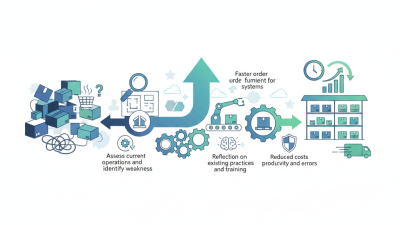
Tips: Evaluate your current processes. Identify bottlenecks in workflows. A comprehensive assessment can reveal areas needing attention.
WMS can create efficiencies but require careful integration with existing systems. Many organizations overlook employee training during this phase. Without proper training, staff may struggle with the new system. This gap can lead to errors and slowdowns.
Tips: Encourage communication among teams. Foster a culture of continuous improvement. Regular feedback can highlight concerns and help in fine-tuning the system.
Using WMS effectively enhances visibility into procurement. However, challenges may arise. Technical issues can disrupt operations and lead to frustration. Continuous evaluation and flexibility are crucial to address these challenges.
Warehouse Management Systems (WMS) Implementation Impact on Global Procurement
Key Steps for Assessing Procurement Needs and WMS Capabilities
When implementing a Warehouse Management System (WMS) for global procurement, understanding procurement needs is crucial. A recent report by the Logistics Management Association noted that 40% of companies struggle with mismatched software and business requirements. This misalignment leads to inefficiencies. Assessing current logistics operations helps identify gaps in capabilities and process.
Conducting a thorough needs assessment is essential. Gather input from various stakeholders to understand their pain points and expectations. An effective method is utilizing surveys or interviews. According to a study by Supply Chain Dive, 60% of successful implementations stem from clear requirements gathering. Moreover, choose a WMS that offers flexibility to adapt over time, as 55% of firms report needing to modify their systems within a year of deployment.
Evaluate various WMS options by comparing features and compatibility with existing systems. Look for solutions that provide real-time data and analytics. This capability allows for effective inventory management and order fulfillment. However, only 45% of companies achieve full visibility across their supply chain, resulting in potential delays and lost sales. Continuous reflection on procurement needs is necessary. Regularly revisiting goals and requirements helps ensure the system evolves to meet changing demands.
Developing a Comprehensive WMS Implementation Plan for Global Operations
Implementing a Warehouse Management System (WMS) for global procurement involves careful planning. A comprehensive implementation plan ensures efficiency and minimization of risks. According to a report by Gartner, effective WMS implementation can increase warehouse productivity by up to 20%. However, many organizations underestimate the complexities involved in global operations.
Understanding regional regulations is crucial. Different countries have varied standards and practices. For example, recent studies show that 65% of supply chain disruptions stem from regulatory compliance issues. Therefore, engaging local expertise can smoothen the process. Additionally, employee training is vital. A lack of training can lead to errors during system usage, ultimately reducing efficiency.
Data integration presents another challenge. Research indicates that companies integrating WMS with existing ERP systems see a 15% drop in operational costs. However, without a clear strategy for data migration, critical information can be lost. This is a common pitfall that many face during implementation. Regular assessments and feedback loops can mitigate these risks. The path to successful global procurement via WMS is fraught with challenges but can yield significant rewards when approached thoughtfully.
How to Successfully Implement WMS for Global Procurement? - Developing a Comprehensive WMS Implementation Plan for Global Operations
| Phase |
Key Activities |
Responsible Team |
Duration |
Milestones |
| Planning |
Define requirements, assess risks |
Project Management |
1 month |
Requirements Document |
| Design |
System architecture, database design |
IT & System Architects |
1.5 months |
Design Approval |
| Development |
Software coding, integration |
Development Team |
2 months |
Codebase Completion |
| Testing |
Functionality, performance testing |
QA Team |
1 month |
Test Cases Completed |
| Deployment |
System rollout, user training |
IT & Training Team |
1 month |
Go-Live |
| Evaluation |
Post-implementation review, feedback |
Project Management |
0.5 months |
Final Report |
Integration of WMS with Existing Supply Chain and Procurement Processes
Integrating a Warehouse Management System (WMS) with existing supply chain and procurement processes is essential for global procurement success. Start with a thorough assessment of current workflows. Understand how goods move through your supply chain. Identify bottlenecks and inefficiencies. This clarity helps create a tailored approach when implementing WMS.
Training teams on the new system is crucial. Employees must understand how to use the WMS effectively. Consider that not all team members will adapt quickly. Allocate time for hands-on learning. Encourage feedback. This can illuminate any lingering concerns. Regular check-ins after implementation can help bridge knowledge gaps.
Consider the data flow as well. A WMS relies heavily on accurate data. Ensure all systems are synchronized before going live. Misalignments can lead to costly mistakes. Monitor performance through key metrics. This will help in fine-tuning processes over time. Continuous improvement is vital in a dynamic global market.
Training and Change Management for Successful WMS Adoption Across Teams
To ensure successful WMS adoption, training and change management are crucial. Employees at all levels need to understand the software's capabilities. Engaging staff early in the process builds trust. Workshops or interactive sessions can enhance learning. This hands-on approach helps them connect theory to practice.
Change management is just as important. Resistance can arise when employees feel uncertain. Clear communication about changes alleviates anxiety. Regular updates help everyone stay informed about progress. Creating a feedback loop encourages open dialogue. Employees can voice their concerns, allowing for adjustments as needed.
Incorporate real scenarios during training. Role-playing different situations helps solidify knowledge. This method reveals gaps in understanding. Encourage peer-to-peer learning; it often reveals solutions. Remember, not all teams adapt at the same pace. Tailoring training sessions for different groups may be necessary. Some might thrive with group activities, while others prefer self-study. Flexibility is key in this transition.

 +8618862309186
 CONTACT NUMBER
 CONTACT NUMBER
 CONTACT NUMBER