+8618862309186


In today’s fast-paced market, effective supply chain management is critical. Warehouse Whs plays a vital role in this ecosystem. According to a report by the Warehousing Education and Research Council, efficient warehouse operations can lead to a cost reduction of up to 30%. This significant impact highlights the importance of optimized warehouse processes.
Industry expert John Smith emphasizes, "A well-managed warehouse is the backbone of any successful supply chain." His insight reflects the pressing need for businesses to focus on Warehouse Whs. As e-commerce continues to grow, the demand for effective warehouse solutions increases. Companies face the challenge of adapting their strategies to meet changing consumer expectations.
Despite the advancements in technology, many warehouse systems still struggle with inefficiencies. Some operations may overlook key metrics. This lack of attention can lead to increased costs and time delays. By addressing these issues, businesses can enhance their Warehouse Whs practices. Ultimately, optimizing warehouse management is essential for a robust supply chain.

Warehousing plays a critical role in supply chain efficiency. According to the Council of Supply Chain Management Professionals (CSCMP), companies with highly efficient warehouses can reduce operational costs by up to 30%. An effective warehouse optimizes storage and inventory management, ensuring products are accessible when needed. This efficiency directly impacts order fulfillment speed. Fast order processing enhances customer satisfaction, leading to repeat business.
Moreover, well-designed warehouses utilize technology for inventory tracking. Automated systems can help manage stock levels accurately, reducing the risk of overstocking or stockouts. Inadequate warehouse practices can lead to inventory discrepancies. A report from MHI and Deloitte indicated that 75% of companies experienced issues due to poor inventory visibility. These challenges hinder a supply chain’s overall performance.
Additionally, strategic warehouse locations minimize transportation costs and transit times. A study found that companies with geographically dispersed warehouses were able to decrease shipping expenses by 20%. However, companies often overlook the necessity of adapting their warehouse practices to changing market demands. As e-commerce grows, flexibility in warehousing becomes essential. Continuous evaluation of warehouse operations is necessary to maintain efficiency and meet evolving customer needs.
| Warehouse Function | Importance in Supply Chain | Strategies for Efficiency | Key Metrics |
|---|---|---|---|
| Inventory Storage | Reduces stockouts and overstock situations | Implement Just-In-Time (JIT) inventory | Inventory Turnover Ratio |
| Order Fulfillment | Enhances customer satisfaction | Utilize automated picking systems | Order Accuracy Rate |
| Returns Management | Improves reverse logistics efficiency | Streamline return processes | Return Rate |
| Cross-Docking | Reduces handling and storage costs | Leverage real-time inventory systems | Dock-to-Stock Cycle Time |
| Space Utilization | Maximizes available space | Adopt vertical storage solutions | Space Utilization Percentage |
Warehouse Management Systems (WMS) are pivotal for supply chain efficiency. They enhance inventory control by providing real-time data on stock levels. This functionality allows companies to quickly identify which products need replenishing. Accurate inventory management reduces excess stock and lowers holding costs, fostering a lean operation.
Another key function is the optimization of order fulfillment. A WMS enables warehouse staff to pick, pack, and ship orders more efficiently. The software can suggest optimal picking routes based on current stock locations. This reduces the time employees spend searching for items. However, not all WMS solutions are intuitive. Companies may face challenges during implementation.
Additionally, reporting features in WMS offer insights into operational performance. Businesses can analyze data to identify bottlenecks and areas for improvement. Trends in order processing times can reveal inefficiencies. Yet, relying solely on software data without human insight can limit a company's agility. This necessitates a balance between technology and experienced staff to drive improvements.
Effective inventory management is crucial for enhancing supply chain performance. It directly impacts efficiency and customer satisfaction. Accurate stock levels help prevent overstock and stockouts. When a company manages its inventory well, it can respond swiftly to market demands. This agility improves overall supply chain responsiveness.
However, challenges often arise. Mismanagement can lead to excess inventory, tying up capital. Conversely, inadequate stock may result in missed sales opportunities. Striking the right balance is key. Employing data analytics can help forecast demand. Organizations need to continuously monitor inventory health. Regular audits and assessments of stock levels can uncover inefficiencies.
Communication among supply chain partners is vital. Transparency can minimize misunderstandings and errors. Yet, many companies overlook this aspect, leading to disruptions. Training staff on best practices is another area often neglected. Overall, improving inventory management requires ongoing effort. Each step taken towards better practices leads to enhanced supply chain performance.
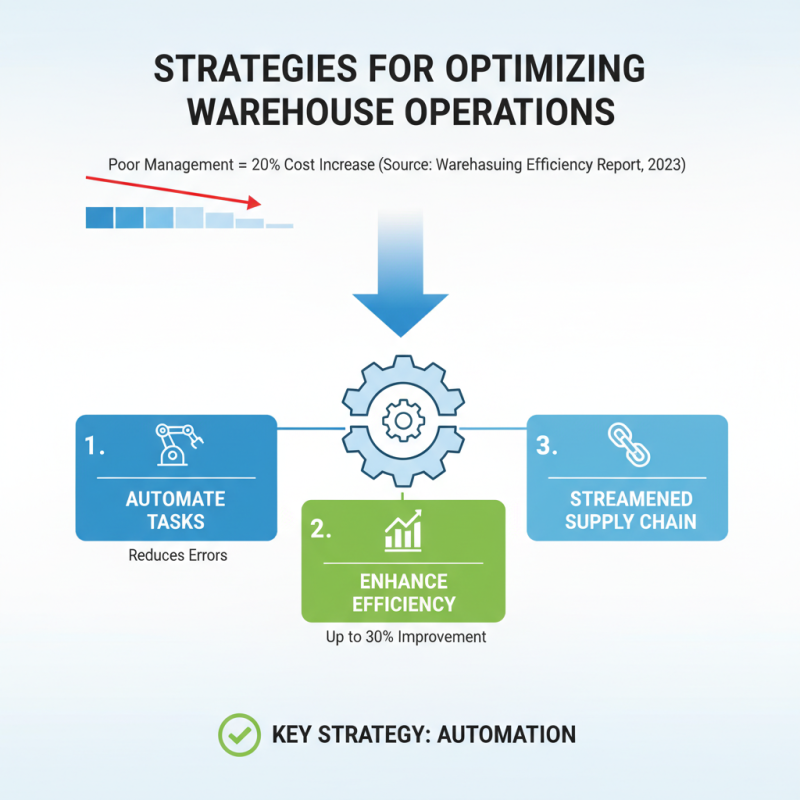
Effective warehouse operations are crucial for a streamlined supply chain. Recent studies show that poor warehouse management can lead to a 20% increase in operational costs. To combat this, companies are focusing on optimizing their processes. One key strategy is automating tasks. Automation can reduce errors and enhance efficiency by up to 30%, as highlighted in a Warehousing Efficiency Report published in 2023.
Another vital aspect is inventory management. Real-time tracking ensures that stock levels are always accurate. This approach can cut excess inventory costs by 15-25%. With smart inventory systems, companies can react swiftly to changes. Consider utilizing RFID technology; it improves tracking accuracy significantly.
**Tips:** Regular audits can uncover inefficiencies. Lean inventory practices reduce waste. Finally, training staff on new technologies leads to better adaptation and productivity. Check in on your warehouse practices often—continuous improvement is essential.
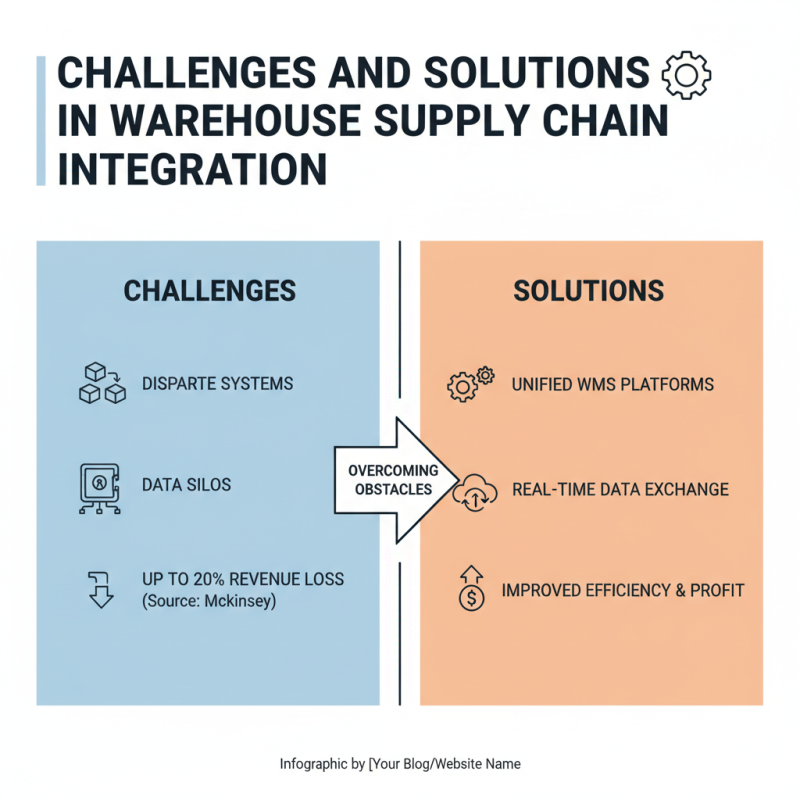
The integration of warehouse management systems (WMS) into supply chains presents significant challenges. Disparate systems often lead to data silos. A report by McKinsey highlights that inefficiencies arising from poor integration can cost companies up to 20% of their annual revenue. Overcoming these obstacles is crucial.
Companies frequently struggle with inventory visibility. In fact, 65% of firms report issues tracking inventory levels. This lack of real-time data can result in stockouts or overstock situations. Effective use of barcoding and RFID technology can enhance tracking accuracy. Implementing these solutions can improve operational efficiency by up to 30%, as noted by the 2022 supply chain industry analysis.
Another challenge is the adaptation to changing market conditions. Supply chain disruptions can arise from unforeseen events, such as natural disasters or pandemics. A survey found that 70% of supply chain professionals are concerned about their ability to respond agilely. Developing robust contingency plans and fostering cross-department collaboration can mitigate the impact of these disruptions. However, many organizations still find it difficult to implement these strategies effectively.