Top ASRS Solutions for Efficient Warehouse Automation?
In today's fast-paced logistics environment, efficient warehouse automation is critical. ASRS solutions play a pivotal role in optimizing storage and retrieval processes. These systems streamline warehouse operations, reducing labor costs and increasing accuracy. Many companies are turning to Automatic Storage and Retrieval Systems to meet growing demands.
ASRS solutions enhance inventory management and maximize space utilization. They address common warehouse challenges, like space constraints and order fulfillment speed. By integrating advanced technologies, businesses can improve their overall efficiency. However, not all ASRS systems are suitable for every warehouse. It’s essential to evaluate unique needs carefully.
Implementing ASRS solutions requires thoughtful planning. Companies must consider layout, existing infrastructure, and future scalability. Despite their benefits, potential challenges include high initial costs and training requirements. Reflecting on these factors can ensure successful adoption. Investing in the right ASRS solutions can lead to long-term gains and improved operational performance.

Top ASRS Solutions for Efficient Warehouse Automation
As the demand for efficient warehouse automation rises, Automated Storage and Retrieval Systems (ASRS) play a crucial role. A recent report from the Warehouse Management Association highlights that ASRS can reduce labor costs by up to 70%. This automation allows companies to streamline their operations, leading to faster order processing and fewer errors.
However, implementing ASRS is not without challenges. Companies may face high initial costs and a steep learning curve. Approximately 45% of organizations report difficulties in integrating ASRS with existing systems. Despite these hurdles, many enterprises are finding the long-term benefits outweigh the initial complications.
Data shows that warehouses utilizing ASRS can achieve up to 99.9% inventory accuracy. This precision is vital for reducing waste and improving overall efficiency. Yet, businesses must remain mindful of their unique needs and capabilities before adopting ASRS. Tailoring solutions is key, as a one-size-fits-all approach can lead to inefficiencies and unmet expectations.
Understanding the Role of ASRS in Modern Warehouse Operations
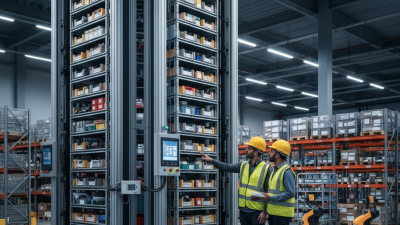
Automated Storage and Retrieval Systems (ASRS) play a critical role in modern warehouse operations. These systems enhance efficiency by optimizing space and improving inventory accuracy. Warehouses equipped with ASRS can store a variety of products, ranging from small parts to large pallets. This flexibility allows businesses to adapt to changing demands quickly.
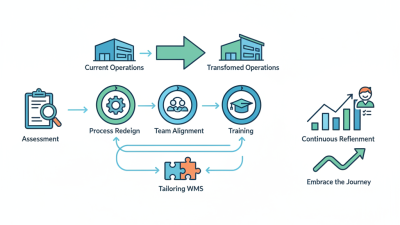
However, implementing ASRS is not without challenges. It's essential to conduct a thorough assessment before installation. Some companies may struggle with integrating existing processes with new systems. The initial investment can be significant, and the return on investment may take time to realize. Despite the hurdles, many organizations are finding that the benefits—like reduced labor costs and increased throughput—make it worthwhile.
Managing an ASRS requires ongoing maintenance and training. Employees must understand how to operate these systems effectively. Overlooking this aspect can lead to inefficiencies. Nevertheless, with the right approach, ASRS can revolutionize warehouse operations, offering a path to greater productivity and sustainability. Understanding and addressing these complexities are crucial for achieving operational excellence in today’s fast-paced environment.
Key Benefits of Implementing ASRS in Supply Chain Management
Automated Storage and Retrieval Systems (ASRS) are transforming warehouse management. These systems enhance efficiency by optimizing space and reducing labor costs. A well-implemented ASRS can store items in compact spaces, making it easier to access goods quickly. Operational speed increases significantly when the system coordinates with order management. This is vital for meeting customer demand.
Beyond efficiency, ASRS improves accuracy in inventory management. Mistakes in stock picking can lead to costly errors. With advanced algorithms, these systems minimize human error. Data-driven insights allow managers to make informed decisions. The ability to track inventory in real-time builds trust among stakeholders.
However, there are challenges. The initial costs can be high. Organizations must be prepared for a transition period as employees adapt. Training is critical; staff needs to understand how to work alongside automated systems. Without proper training, confusion may arise. These factors require careful consideration before implementation.
Top ASRS Solutions for Efficient Warehouse Automation
| Solution Name |
Key Features |
Benefits |
Cost Savings (%) |
Implementation Time (Months) |
| Compact ASRS |
Space-saving design, High-speed retrieval |
Maximizes storage, Reduces labor costs |
30% |
6 |
| Unit-load ASRS |
High-capacity storage, Automated pallet handling |
Increased storage efficiency, Streamlined workflow |
25% |
8 |
| Mini-load ASRS |
Small item storage, Fast retrieval |
Improves accuracy, Reduces picking time |
20% |
5 |
| Shuttle ASRS |
Versatile storage, Dynamic inventory management |
Flexible layouts, High speed |
28% |
7 |
| Robotic ASRS |
Robotic picking, Intelligent inventory control |
Enhanced efficiency, Labor reduction |
35% |
9 |
Comparison of Leading ASRS Technologies: Features and Performance Metrics
Automated Storage and Retrieval Systems (ASRS) significantly enhance warehouse operations. Many organizations witness efficiency improvements of up to 60% after implementing ASRS. These systems optimize space, reduce labor costs, and accelerate order fulfillment. For instance, ASRS can double warehouse storage capacity, making it a critical asset in today’s competitive landscape.
When comparing ASRS technologies, certain features stand out. For instance, some systems focus on high-speed retrieval. Others prioritize scalability, allowing businesses to adapt as inventory grows. A recent industry report highlights that warehouses using ASRS experience a 30-50% reduction in picking errors. However, not all ASRS solutions perform equally, and organizations must weigh these performance metrics carefully.
Investing in ASRS also poses challenges. Initial costs can be high, and integration with existing systems may prove difficult. Organizations need to conduct thorough analyses before jumping in. Trends indicate that a flexible ASRS setup can mitigate these issues. Adaptability and modularity are essential for maximizing investment returns. Balancing cost and efficiency remains a pressing concern for many operations.
Industry Statistics on ASRS Impact on Warehouse Efficiency and Costs
Automated Storage and Retrieval Systems (ASRS) have transformed warehouse operations significantly. Recent industry statistics reveal that implementing ASRS can boost warehouse efficiency by up to 40%. This is largely due to reduced picking times and increased space utilization. With more precise inventory management, companies can minimize overstocking and stock-outs.
However, the integration of ASRS is not without challenges. Some organizations report initial costs that can be daunting. The return on investment may take time to realize. Moreover, ongoing maintenance and training requirements can strain resources. Businesses must weigh these factors carefully against potential efficiency gains.
In reflecting on these statistics, it's clear that while ASRS holds great promise, implementation must be strategic. Assessing specific operational needs is crucial. Continuous evaluation can foster improvements and ensure that automation genuinely enhances productivity without incurring unnecessary expenditures. Balancing automation and human workforce remains vital for sustainable progress.
Conclusion
As the landscape of warehouse operations evolves, ASRS solutions play a pivotal role in enhancing efficiency and productivity. These automated storage and retrieval systems streamline processes by minimizing labor costs, optimizing space utilization, and improving order accuracy. By understanding the integral role of ASRS in modern supply chain management, businesses can leverage key benefits that contribute significantly to operational success.
A comprehensive comparison of leading ASRS technologies reveals varying features and performance metrics, shedding light on their impact on warehouse efficiency and cost savings. Industry statistics indicate a marked improvement in operational efficiency due to ASRS implementation, highlighting the necessity for businesses to adopt these innovative solutions. Moreover, emerging trends in automation technologies suggest a future where ASRS solutions will continue to advance, driving further enhancements in warehouse automation.

 +8618862309186
 CONTACT NUMBER
 CONTACT NUMBER
 CONTACT NUMBER