What are the Best ASRS Solutions for Global Procurement?
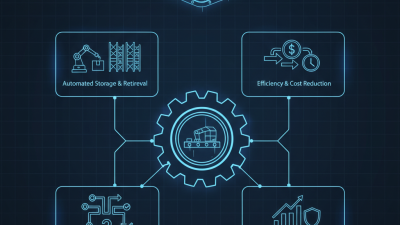
In the fast-paced world of global procurement, efficiency is paramount. Companies seek robust solutions to streamline their operations. ASRS solutions stand out as a key player in this landscape. These automated systems enhance warehouse management and inventory control. They reduce human error and improve order fulfillment speed.
ASRS solutions can seem complicated. Not every business needs a top-tier system. Understanding specific needs is essential before investing. Some solutions may be too advanced or costly for smaller operations. Others might lack scalability, limiting future growth. It’s crucial to evaluate various options to find the right fit.
Balancing cost and functionality is challenging. Businesses must consider both immediate needs and future demands. Consulting with experienced professionals can provide valuable insights. They can help identify the most suitable ASRS solutions based on industry-specific requirements. In a competitive environment, making informed decisions can lead to significant advantages.

Overview of ASRS Solutions in Global Procurement
In the evolving landscape of global procurement, Automated Storage and Retrieval Systems (ASRS) are transforming efficiency and accuracy. According to a report by the Warehousing Education and Research Council, ASRS can boost warehouse productivity by up to 60%. This advancement plays a critical role in reducing human error, especially in inventory management.
Adopting ASRS solutions is not without challenges. Organizations often struggle with integration into existing systems. This complexity can lead to resistance among employees who are accustomed to traditional processes. However, the potential for cost reduction and improved inventory visibility is significant. A study from Gartner shows that companies employing ASRS report a decrease in operational costs by about 30%.
Realizing the full benefits of ASRS requires a thoughtful approach. Businesses must analyze their specific needs and workflows before implementation. Continuous training and support for staff are essential in overcoming resistance and ensuring successful transitions. While the technology promises efficiency, its complexities necessitate careful planning and execution.
Key Features of Effective ASRS Systems
Automated Storage and Retrieval Systems (ASRS) play a crucial role in global procurement. These systems streamline operations, enhancing efficiency. An effective ASRS should feature high-speed retrieval capabilities. This ensures that items are located and dispatched quickly. Delays can lead to loss of business opportunities.
Another important aspect is integration with existing systems. Seamless compatibility improves overall workflow and data management. Effective ASRS also prioritize space optimization. They utilize vertical space, reducing the physical footprint. This can significantly impact warehousing costs. Additionally, real-time inventory tracking is essential. It allows for better decision-making and reduces errors.
While these features are vital, there may be challenges in implementation. Training staff can be resource-intensive. Resistance to change is common. Organizations must continuously evaluate their ASRS to ensure they meet evolving needs. Flexibility and adaptability become key in maintaining relevance. Regularly reviewing system performance can uncover areas for improvement. This ongoing reflection is crucial for long-term success.
What are the Best ASRS Solutions for Global Procurement? - Key Features of Effective ASRS Systems
| Feature |
Description |
Benefits |
| Scalability |
Ability to expand operations seamlessly as demands increase. |
Supports growth without the need for complete system overhaul. |
| Real-Time Inventory Tracking |
Allows monitoring of stock levels and locations in real-time. |
Reduces stock discrepancies and improves order fulfillment speed. |
| Automation |
Utilization of automated systems for picking, packing, and storing. |
Enhances efficiency and reduces labor costs. |
| Integration with ERP |
Seamless connection with existing Enterprise Resource Planning systems. |
Improves data accuracy and streamlines operations. |
| User-Friendly Interface |
Intuitive design that simplifies user interactions. |
Reduces training time and increases productivity. |
Comparison of Leading ASRS Providers
The global procurement landscape is rapidly evolving. Automated Storage and Retrieval Systems (ASRS) are becoming critical in enhancing supply chain efficiency. A recent report highlighted that about 60% of companies are investing in ASRS solutions to streamline their warehouse operations. These systems can significantly reduce labor costs and improve order accuracy.
Different ASRS providers bring unique capabilities to the table. For instance, some focus on high-density storage, while others prioritize flexibility and scalability. According to industry analysis, systems that integrate robotics and AI show a 30% increase in retrieval speeds compared to traditional methods. However, the complexity of these solutions can be overwhelming. Many organizations struggle with the implementation phase. The lack of proper training often leads to underutilization of the system.
Moreover, the total cost of ownership is a critical factor. Although these systems promise long-term savings, initial investments can be substantial. A careful cost-benefit analysis is essential before committing. Decision-makers must weigh the potential efficiency gains against the challenges of integration and adaptation. This decision requires a thorough understanding of both current operational needs and future growth objectives.
Implementation Strategies for ASRS in Procurement
Implementing Automated Storage and Retrieval Systems (ASRS) in procurement requires careful planning and execution. Organizations must start by assessing their specific needs. Consider inventory volume, type of products, and available space. Each of these elements influences ASRS effectiveness. A tailored approach ensures the system aligns with operational goals.
Training staff on the new technology is critical. Employees must learn how to navigate and utilize the ASRS efficiently. Misunderstandings or lack of training can lead to errors. Scheduled training sessions and ongoing support create a knowledgeable workforce. Encouraging feedback helps identify areas needing improvement.
Regularly reviewing system performance is essential. Metrics such as retrieval speed and accuracy should be monitored. This data helps spot inefficiencies or faults in the system. Adjustments based on these insights can refine operations. Engaging with employees about their experiences with the ASRS can uncover hidden challenges. Creating a culture where input is valued fosters continuous improvement in procurement practices.
Best ASRS Solutions for Global Procurement
Future Trends in ASRS Technology for Supply Chain Management
ASRS technology is evolving rapidly, shaping supply chain management in profound ways.
Automated Storage and Retrieval Systems (ASRS) can enhance efficiency and accuracy in operations.
A recent report by Gartner highlighted that ASRS can improve warehouse productivity by 30% or more.
This high efficiency can significantly reduce operational costs.
Future trends show a growing integration of AI and machine learning in ASRS.
These technologies help in predictive analytics, optimizing inventory management.
According to a McKinsey report, companies that adopt AI in supply chains could see a 25% reduction in operational costs.
However, as automation increases, there’s a pressing need for skilled workers to manage these systems.
The industry may face challenges in workforce training and adaptation.
Sustainability is becoming a focal point too. Companies are increasingly prioritizing eco-friendly systems.
Innovative designs in ASRS aim to minimize energy consumption.
However, the initial investment can be daunting for some businesses.
There’s an ongoing debate about balancing upfront costs with long-term benefits.
Effective procurement strategies must address these complexities for successful implementation.

 +8618862309186
 CONTACT NUMBER
 CONTACT NUMBER
 CONTACT NUMBER