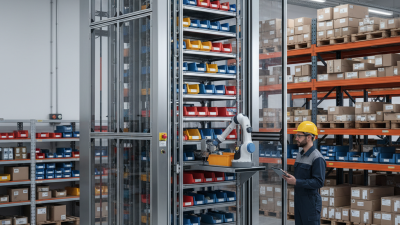
Top ASRS Solutions in China for Global Buyers?
In recent years, China has emerged as a leading player in the development of advanced Automated Storage and Retrieval Systems (ASRS solutions). These systems are integral for improving warehouse efficiency and reducing operational costs. Many global buyers are now looking to China for innovative ASRS solutions that meet their specific needs.
The growing demand for automation in logistics creates exciting opportunities. However, not all ASRS solutions are created equal. Buyers must navigate a complex landscape filled with varying designs and technologies. Each system has its pros and cons, making informed decisions crucial.
China’s ASRS solutions offer a blend of reliability and cutting-edge technology. Buyers should consider factors such as scalability, service support, and customization options. These aspects can greatly impact long-term success and efficiency. As the market evolves, continuous reflection on choices made will ensure that operations remain competitive and effective.
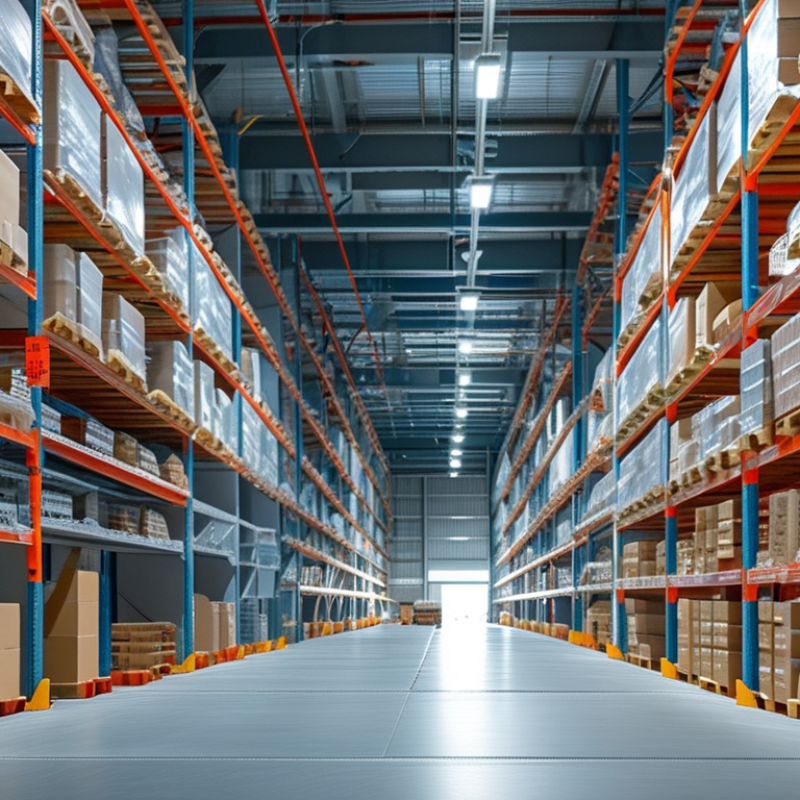
Overview of Automated Storage and Retrieval Systems (ASRS)
Automated Storage and Retrieval Systems (ASRS) are transformative in warehousing and logistics. These systems enhance operational efficiency, reduce labor costs, and optimize space utilization. ASRS automates the handling of materials, allowing for quick retrieval and storage.
In many facilities, ASRS integrates seamlessly with warehouse management systems. This integration aids in real-time inventory tracking. Such solutions can vary widely in complexity, catering to different industry needs. Some systems feature high-density storage, while others focus on speed and accuracy.
However, implementing ASRS is not without challenges. Companies must assess their unique workflows and infrastructure carefully. Misaligned expectations can lead to underperformance. Continuous monitoring and adjustments are essential. ASRS technology is advancing, but it requires thoughtful integration to maximize benefits.
Leading ASRS Providers in China: A Comparative Analysis
The automated storage and retrieval system (ASRS) market in China is rapidly evolving. Estimates indicate that the ASRS market is projected to reach USD 2.5 billion by 2025. This growth mirrors the surge in e-commerce and logistics. Companies are increasingly adopting ASRS for enhancing efficiency and optimizing space.
Leading ASRS providers in China are focusing on advanced technology. For instance, they integrate artificial intelligence and robotics to streamline operations. A report suggests that implementing ASRS can reduce retrieval time by up to 30%. This efficiency boost is critical for warehouses managing large inventories. However, companies may face challenges in aligning ASRS with existing systems.
Moreover, the complexity of different ASRS solutions can create confusion. Buyers often struggle with selecting the right system suited for their specific needs. Not all providers offer the same quality and support. Research indicates that customer satisfaction varies widely, with some providers getting high marks for innovation while others lag in service reliability. Industry experts emphasize the importance of thorough evaluations before making any commitments.
Key Features and Technologies in Chinese ASRS Solutions
The landscape of Automated Storage and Retrieval Systems (ASRS) in China has evolved remarkably. Key features of modern ASRS solutions highlight their adaptability and efficiency. Many systems now integrate advanced robotics and AI technologies. This combination enhances inventory management. Reports indicate that ASRS solutions can reduce storage space by up to 60%. This efficiency often translates to lower operational costs for businesses.
Chinese ASRS solutions also often emphasize modular design. This allows for easy scalability and customization. Companies can adjust their systems based on changing needs. Additionally, real-time data analytics is becoming a norm. This feature provides insights into inventory flows and performance metrics. Studies suggest that real-time data integration can improve order accuracy by over 20%. However, technology adoption can present challenges. Organizations must invest in training and infrastructure to maximize the benefits.
Moreover, understanding the limitations of ASRS is essential. Not all products are suitable for automated handling. Certain tasks still require human intervention. In a rapidly changing market, balancing technology and human resources is critical. Continual assessment of system performance is necessary to ensure long-term efficiency.
Market Trends and Adoption of ASRS in China
The adoption of Automated Storage and Retrieval Systems (ASRS) in China is witnessing a significant surge. According to a recent report by MarketsandMarkets, the ASRS market in Asia-Pacific is projected to reach $8 billion by 2026, driven largely by rapid industrial automation. Chinese enterprises recognize the efficiency benefits of ASRS, reducing labor costs and enhancing inventory management.
In warehouses, ASRS technology optimizes space. It enables companies to store goods vertically, maximizing storage capacity. Adequate training and up-to-date technology integration are essential for success. A survey indicated that 45% of Chinese logistics firms are investing in ASRS to remain competitive. However, some challenges remain. Issues related to system integration and operational costs need careful consideration.
Tip: Assess your specific needs before choosing an ASRS solution. Identify the types of products you handle and your storage requirements. This will guide your decision better.
Another trend shaping ASRS in China is the emphasis on sustainability. Companies are seeking eco-friendly systems that minimize energy consumption. According to a recent industry analysis, nearly 30% of new ASRS implementations focus on green technologies. This approach not only reduces operational costs but also appeals to environmentally conscious consumers.
Tip: Keep abreast of technology advancements. Regularly review the capabilities of ASRS solutions available in the market. Upgrades can enhance system efficiency and adaptability.
Top ASRS Solutions in China for Global Buyers
| Solution Type |
Market Share (%) |
Adoption Rate (%) |
Main Industries |
Growth Rate (2023) |
| Unit Load ASRS |
45% |
58% |
Retail, E-commerce, Automotive |
12% |
| Mini Load ASRS |
30% |
50% |
Pharmaceuticals, Electronics |
10% |
| Autonomous Mobile Robots (AMRs) |
15% |
65% |
Warehousing, Manufacturing |
15% |
| Vertical Lift Modules (VLMs) |
10% |
40% |
Food & Beverage, Aerospace |
8% |
| Shuttle Systems |
5% |
55% |
Textiles, Consumer Goods |
10% |
Considerations for Global Buyers When Selecting ASRS in China
When choosing Automated Storage and Retrieval Systems (ASRS) in China, global buyers should prioritize specific criteria. Understanding the technology's capacity is crucial. ASRS systems differ greatly. Some handle high volumes, while others focus on smaller, agile operations. Buyers must assess their inventory requirements carefully. Scalability is another key consideration. Systems should adapt to changing needs, facilitating future growth and efficiency.
Local support is vital as well. Buyers should verify the level of technical assistance offered. Fast response times can mitigate potential downtimes, ensuring smooth operations. Assessing parts availability is essential for maintenance. Evaluate the reliability of suppliers. Past performance can provide insights into the service quality and dependability of an ASRS provider.
Cost is a significant factor. However, it's not just the upfront price to consider. Ongoing maintenance costs can add up over time. Conducting a total cost of ownership analysis will help buyers make informed decisions. Visiting local installations can also offer true assessments of systems in action. Refining selection criteria based on real-world observations can prevent future regrets. Investigate the provider's commitment to innovation. A lack of focus on evolving technology may leave buyers with outdated solutions.

 +8618862309186
 CONTACT NUMBER
 CONTACT NUMBER
 CONTACT NUMBER