Top Warehousing Solutions in Germany for Global Buyers?
Germany is a hub for logistics and warehousing, attracting global buyers to explore various options. The Warehouse in Germany offers efficient solutions that cater to diverse business needs. With technological advancements and strategic locations, these warehouses provide an edge in supply chain management.
When considering warehousing in Germany, understanding market trends is crucial. Factors like transportation networks, labor costs, and regional regulations greatly influence decisions. Many businesses face challenges in choosing the right warehouse that aligns with their goals. Various solutions exist, catering to small startups and large multinational corporations alike.
Buyers must evaluate their specific requirements. They need warehouses that enhance their operational efficiency. Some facilities excel in automation, while others focus on sustainable practices. The right choice can impact a company's bottom line significantly. As the landscape evolves, staying informed will help in making sound decisions.
Overview of Warehousing Solutions in Germany
Germany offers a diverse range of warehousing solutions, catering to global buyers looking for efficiency and reliability. Its strategic location in Europe provides access to major markets, making it a preferred choice for logistics operations. Companies in Germany benefit from a well-developed infrastructure, including advanced transportation networks and digital technologies.
When choosing a warehousing solution, evaluate your specific needs. Consider factors like location, cost, and storage capacity. Are you looking for cold storage or standard warehousing? This decision significantly impacts your supply chain efficiency.
Tip: Always visit potential warehousing sites. Observing operations firsthand can reveal insights that reports may not cover.
Another aspect to reflect on is the technology used in warehouses. Automation is prevalent, but it may not suit every operation. A balance between automated systems and manual processes could lead to enhanced flexibility.
Tip: Analyze your inventory turnover rates. Understanding these figures helps determine the best warehousing strategy for your business. The right solution can lead to significant cost savings and improved service levels.
Key Factors for Selecting a Warehousing Provider
When selecting a warehousing provider in Germany, certain key factors come into play. The logistics sector in Germany is highly competitive, with 70% of companies wanting flexibility and scalability in their warehousing solutions. Global buyers must consider the provider's technology. Many modern facilities utilize automated systems, significantly enhancing efficiency. A report by the Federal Association of Logistics reveals that automation can reduce operational costs by up to 20%.
Another critical factor is location. Proximity to major transport hubs is essential for minimizing delays. Data shows that 68% of logistics delays arise from inefficient transportation. A strategic location can cut transportation costs while improving service levels. Furthermore, compliance with local regulations is a must. Flickering in and out of compliance can lead to severe penalties and affect delivery times.
Consider the provider's experience in the sector. A long-standing operation often indicates reliability. However, newer entrants often provide innovative solutions. This dichotomy presents a challenge for buyers. How to balance experience with innovation? Each choice carries inherent risks and benefits that warrant careful consideration.
Types of Warehousing Solutions Available in Germany
Germany offers a diverse range of warehousing solutions to meet the needs of global buyers. From state-of-the-art facilities to traditional storage units, there is something for everyone. Automated warehouses feature cutting-edge technology that speeds up inventory management and reduces human error. This option is ideal for businesses looking for efficiency and scalability in their logistics operations.
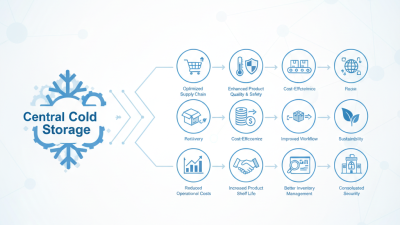
Additionally, temperature-controlled warehouses are essential for perishable goods like food and pharmaceuticals. These facilities maintain optimal conditions, ensuring product safety and quality. However, they often require significant investments in infrastructure and energy, which can impact operational costs. Another common type is the shared warehousing model, where multiple businesses utilize the same space. This can lower expenses but might limit customization options, which can be a drawback for some companies.
When choosing a warehousing solution, several factors must be considered. Market access, transportation networks, and the reliability of service providers all play crucial roles. It's essential to evaluate the specific needs of your business and how each type of warehousing solution aligns with those requirements. Buyers should also reflect on potential challenges, such as fluctuating demand and rising operational costs. These insights can lead to more informed decisions.
Top Warehousing Solutions in Germany for Global Buyers
Leading Warehousing Companies for Global Buyers
Germany is home to a variety of robust warehousing solutions catering to global buyers. Top warehousing companies here provide essential logistics services, ensuring timely delivery and efficient storage. Many facilities are strategically located near major transport hubs. This infrastructure advantage enables quicker access to European markets.
When selecting a warehousing partner, consider their expertise in your specific industry. Specialized companies often excel in understanding unique requirements. Assessing their technology integration is crucial too. Automation can enhance inventory management, thereby reducing errors. Some facilities might still rely on outdated systems, which can lead to inefficiencies.
Tips: Look for reviews and testimonials from other global buyers. These insights reveal reliability and service quality. Engage in discussions with potential partners to gauge their responsiveness. A motivated team can make a significant difference in logistics effectiveness. Transparency in operations is vital. If a company hesitates to share information, it may warrant caution. Always prioritize reliability and experience over price.
Regulatory Considerations for Warehousing in Germany
When exploring warehousing solutions in Germany, regulatory considerations are paramount. Understanding local laws ensures compliance and smooth operations. Germany has stringent regulations on safety standards, labor laws, and environmental considerations. Businesses should familiarize themselves with the relevant codes to avoid penalties.
It’s crucial to take into account the different federal and state regulations. Each state may have its own requirements, making it essential for global buyers to conduct in-depth research. Missteps, like neglecting fire safety regulations, can lead to severe consequences. Engaging local legal experts can provide clarity and guidance.
Compliance isn’t just about avoiding fines. It also builds trust with customers and partners. Transparent operations enhance credibility and can streamline supply chains. However, the dynamic regulatory landscape requires continuous monitoring. Businesses must be proactive, adapting to changes that may arise. This ongoing vigilance can help identify potential challenges early on.
Top Warehousing Solutions in Germany for Global Buyers - Regulatory Considerations for Warehousing in Germany
| Dimension |
Detail |
| Warehouse Type |
Fulfillment Centers |
| Location |
Major Logistics Hubs (e.g., Frankfurt, Hamburg, Munich) |
| Storage Capacity |
5000 - 100,000 Pallets |
| Technology Used |
Automated Picking Systems, WMS |
| Regulatory Compliance |
EU Regulations, Local Health & Safety Standards |
| Customs Clearance |
Integration with Local Customs Authorities |
| Labor Force |
Skilled Workforce Availability |
| Environmental Considerations |
Sustainability Practices, Energy Efficiency |
| Shipping Options |
Road, Rail, Air Freight |

 +8618862309186
 CONTACT NUMBER
 CONTACT NUMBER
 CONTACT NUMBER