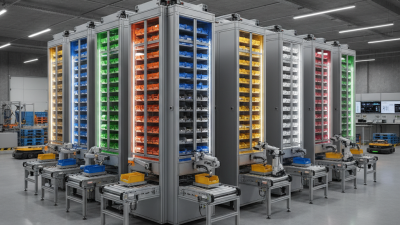
How to Use Vertical Carousel Modules for Enhanced User Experience?
Vertical Carousel Modules can significantly transform the way users interact with digital content. These modules allow for a dynamic display of information, offering a visually appealing experience. However, they also present unique design challenges that require careful consideration.
When implemented correctly, Vertical Carousel Modules enhance engagement. Users find it easier to navigate content arranged in a vertical format. This approach is essential for mobile users who prefer scrolling over clicking. Still, it’s important to avoid overwhelming visitors. Too much content can lead to confusion rather than clarity.
While these modules add visual interest, their effectiveness depends on execution. Poorly designed carousels may frustrate users. It's crucial to test different layouts and functionalities to ensure a seamless experience. Keep in mind that balance is key; striking the right chord between aesthetics and usability will determine the module's success.

Understanding Vertical Carousel Modules and Their Benefits
Vertical carousel modules have gained popularity for enhancing user experience in web design. These interactive elements allow users to browse through content seamlessly. They can display images, products, or articles in a compact space. This design keeps visitors engaged without overwhelming them.
Their benefits are noteworthy. Vertical carousels save space while presenting multiple items. Users can quickly scroll through options. This feature is particularly useful for mobile interfaces, where screen real estate is limited. However, while they offer convenience, usability must be considered. If users find them difficult to navigate, engagement may decrease. Feedback is essential for refinement.
Balancing aesthetics and functionality is crucial. Visual appeal attracts users, but performance is key. Sometimes, a carousel can slow down the page loading speed. This might frustrate users. Testing different layouts and designs can help identify the best approach. Listening to user feedback will guide effective adjustments.
Design Principles for Effective Vertical Carousel Implementation
Vertical carousel modules can significantly improve user experience when designed effectively. According to industry reports, websites utilizing vertical carousels see a 20% increase in user engagement. To achieve this, a clear focus on usability and aesthetics is essential. Maintain simplicity in design. Users become frustrated if they cannot navigate easily. Aim for smooth transitions, ensuring that the content is easy to digest.
When implementing a vertical carousel, keep in mind the importance of hierarchy. Highlight critical information to guide users in their journey. Position essential elements at the top. Research indicates that users retain 70% of information when it is presented clearly. Use contrasting colors to make key content stand out. Consider visual balance, as a cluttered layout can hinder comprehension.
Tips: Test the carousel design with actual users. Gather feedback and measure engagement rates. Be ready to make adjustments based on this data. Monitor loading times; a delay can lead to user drop-off. Keep mobile responsiveness in mind. A responsive design is critical in today’s multi-device world. Consider these aspects seriously. They can make or break the effectiveness of your vertical carousel.
Vertical Carousel Modules User Engagement Analysis
This chart illustrates the user engagement levels based on different content types in vertical carousel modules. The data reflects user interactions over a specified period, highlighting the effectiveness of each content type in enhancing user experience.
Enhancing User Interaction with Vertical Carousel Features
Vertical carousel modules can significantly enhance user interaction on websites. These interactive elements allow users to scroll through content seamlessly. Imagine a visual gallery that presents images or information in an engaging, stacked format. Users can swipe up and down, creating a dynamic way to explore offerings.
The design of vertical carousels is crucial. They should be intuitive and user-friendly. However, if poorly implemented, these tools can confuse users rather than help them. For instance, overly complex animations or cluttered layouts may hinder navigation. Striking the right balance between aesthetics and functionality is key. Users appreciate clarity and ease when interacting with online elements.
Incorporating accessible features improves the overall experience. Ensuring that vertical carousels work well on mobile devices is essential. An adaptable design helps cater to various user preferences. Regularly gathering feedback will pinpoint areas needing improvement. This iterative approach can lead to more refined and effective modules. Users want simplicity, and it's the responsibility of designers to deliver.
Best Practices for Content Placement in Vertical Carousels
Vertical carousels can greatly enhance user experience when used correctly. Effective content placement is crucial. Start with a clear hierarchy. Place the most important content at the top of the carousel. This makes it immediately visible to users. Eye-catching images or compelling headlines draw attention. A user’s gaze moves instinctively to the top section first.
Consider the spacing between items. Each element should breathe. Cluttered designs can confuse users. Make sure navigation is intuitive. Users should easily understand how to interact. Adding subtle animations can guide eyes along the carousel. This enhances engagement but can also be distracting. Test different speeds to find a balance.
Include a mix of static and dynamic content. Some users prefer static information while others enjoy interactive elements. Diversifying content can engage a wider audience. Pay attention to loading times. Too much content can slow down the carousel. This may frustrate users. Use analytics to refine your approach. Monitor user interactions and adjust where necessary. Reflection on these practices can lead to a more effective design.
Testing and Analyzing User Experience with Vertical Carousels
Testing user experience with vertical carousels is crucial for understanding their effectiveness. These modules allow users to scroll through content seamlessly. To analyze their impact, start by setting clear goals. Identify which elements users engage with most. Use metrics like click-through rates and time spent on items. This data reveals preferences and highlights potential pain points.
Conduct user testing sessions to observe real-time interactions. Encourage users to navigate through the carousel while sharing their thoughts. This qualitative feedback can uncover issues that analytics alone might miss. Do users struggle with navigation? Are they confused by the layout? Such insights are invaluable.
Iterate on the design based on the findings. Sometimes, spacing between items needs adjustment. Other times, clear labeling can enhance understanding. Emphasize the importance of continuous testing and adaptation. Each iteration should aim for improved clarity and user satisfaction. A carousel that feels intuitive reflects a deep understanding of user needs.

 +8618862309186
 CONTACT NUMBER
 CONTACT NUMBER
 CONTACT NUMBER