Why Understanding the Warehouse Storage Process is Essential?
In the evolving landscape of logistics, understanding the Warehouse Storage Process is crucial. As noted by logistics expert John Smith, "Efficient storage strategies directly impact overall supply chain performance." This underscores the significance of mastering warehouse operations.
The Warehouse Storage Process encompasses various elements, from inventory management to layout design. Professionals must grasp these details to optimize space and reduce costs. A well-organized warehouse minimizes errors and enhances workflow. However, many warehouses still face challenges. Inefficiencies and outdated methods can hinder productivity, leading to delays and increased expenses.
Recognizing these issues is the first step towards improvement. It is essential for businesses to analyze their current storage processes. Embracing innovative solutions can lead to significant gains. The Warehouse Storage Process is not merely a task; it is a vital component of a successful logistics strategy. Exploring its intricacies can open doors to greater efficiency and profitability.
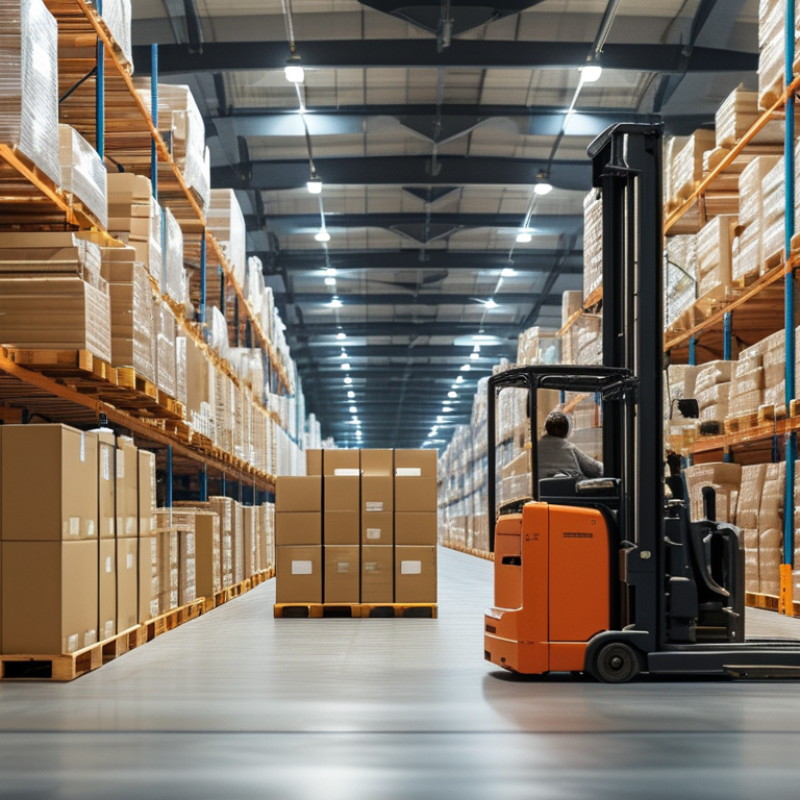
Importance of Efficient Warehouse Storage for Business Operations
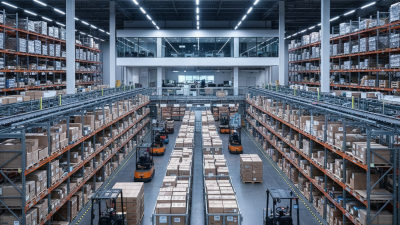
Efficient warehouse storage plays a vital role in business operations. Proper organization enhances productivity and minimizes delays. When items are stored systematically, it becomes easier to access them when needed. This leads to faster order fulfillment and happier customers.
Many businesses overlook the necessity of optimizing their storage processes. Poorly managed warehouses can lead to chaos. Employees may waste time searching for products or may inadvertently misplace items. This situation results in lost revenue and diminished trust from clients. Investing in well-structured storage solutions can significantly reduce these issues.
Understanding the capacity and flow of the warehouse can also yield benefits. A well-designed layout ensures that goods move seamlessly from receiving to shipping. Regular evaluations of storage systems can unveil hidden inefficiencies. This is crucial for staying competitive in the market. Each step toward improvement contributes to overall operational success.
Why Understanding the Warehouse Storage Process is Essential? - Importance of Efficient Warehouse Storage for Business Operations
| Dimension |
Description |
Importance Level |
| Inventory Management |
Keeping track of stock levels and locations to ensure availability. |
High |
| Space Optimization |
Utilizing warehouse space efficiently to maximize storage capacity. |
Medium |
| Order Fulfillment |
The process of picking, packing, and shipping products to customers. |
High |
| Safety Protocols |
Implementing measures to ensure a safe working environment. |
Medium |
| Technology Integration |
Using software and automation to streamline operations. |
High |
Key Components of the Warehouse Storage Process
Understanding the warehouse storage process is crucial for efficient supply chain management. Key components of this process include organization, inventory management, and layout design.
Effective organization simplifies the retrieval of items. Group similar products together. Use labels and color codes for quick identification. This method reduces search time and errors. Consider using a digital inventory management system. It can provide real-time data. However, be cautious. Relying too much on technology might lead to complacency.
Layout design affects workflow. A well-planned layout minimizes movement. Ensure aisles are clear and wide enough for equipment. Designate areas for receiving, storing, and shipping products. This can enhance productivity. However, avoid overcrowding spaces with too many items. It leads to confusion and delays.
Tips: Regularly review inventory levels. This helps prevent overstocking or stockouts. Also, train staff regularly on safety protocols. A knowledgeable team can adapt quickly to changes.
Steps to Optimize Warehouse Space Utilization
Optimizing warehouse space is a critical aspect of supply chain management. According to a report by the Warehouse Education and Research Council, nearly 20% of warehouse space is often underutilized. Ineffective storage methods lead to wasted resources and increased operational costs.
To maximize space utilization, a systematic approach is necessary. Begin with a thorough inventory analysis. Understanding what items are stored and their turnover rates helps design effective layout strategies. Implementing vertical storage solutions can significantly increase capacity. For instance, using high-density shelving can boost storage space by up to 30%.
Regular audits and re-evaluations of storage practices are crucial. Many warehouses do not adjust their systems based on changing demands. This oversight can result in inefficiencies. Emphasizing flexibility in storage design allows for quicker adaptations to market changes. Utilizing data analytics can also reveal patterns, helping in better decision-making regarding space allocation. This analysis is essential in a competitive market where every square foot counts.
Challenges in Warehouse Storage Management
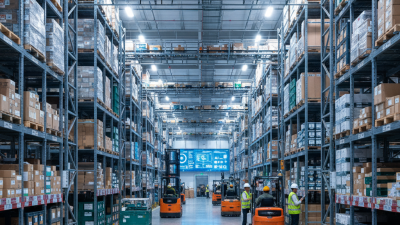
Warehouse storage management presents numerous challenges that can disrupt operations. One common issue is space optimization. Without an effective layout, it becomes hard to find and retrieve items quickly. This can lead to delays and inefficiencies, negatively impacting productivity.
The handling of inventory is another challenge. Accurate tracking is essential, yet many warehouses face discrepancies. Barcoding systems can help, but they require proper training. Implementing regular audits can ensure that inventory records are reliable.
**Tips:** Invest in employee training to enhance skills. A knowledgeable workforce can adapt better to changes. Regularly update storage techniques to keep up with industry standards. Feedback from staff can reveal necessary improvements. Ensure regular maintenance of storage equipment to prevent unexpected breakdowns.
Warehouse Storage Challenges and Solutions
Impact of Technology on Warehouse Storage Efficiency
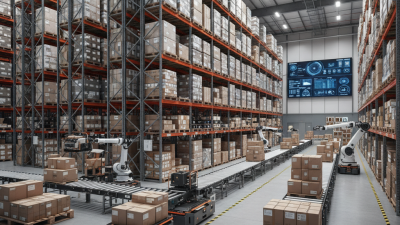
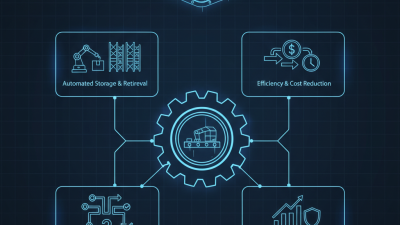
Technology plays a crucial role in enhancing warehouse storage efficiency. Automation tools help in reducing human errors and speeding up processes. Robots and software systems work together to optimize inventory management. They track items in real time, which leads to better organization and quicker retrieval.
Moreover, advanced data analytics can predict storage needs. This allows warehouses to adjust their space dynamically. However, relying heavily on technology can create vulnerabilities. Cybersecurity threats pose risks that cannot be ignored. Regular updates and training are essential to mitigate these issues.
Technology also has its limits. Not all warehouses can afford the latest systems. Some may struggle with integration into existing operations. This can lead to confusion and inefficiencies. Continuous evaluation of both technology and processes is necessary to ensure that they align with operational goals.

 +8618862309186
 CONTACT NUMBER
 CONTACT NUMBER
 CONTACT NUMBER