How to Choose the Right Whs Warehouse for Your Business?
Choosing the right Whs Warehouse is critical for business success. According to a recent report by Grand View Research, the global logistics market is expected to reach USD 12 trillion by 2027. This growth highlights the importance of efficient warehouse solutions. A well-selected Whs Warehouse can improve supply chain management and reduce costs.
Businesses face various challenges when choosing a warehouse. Factors like location, technology, and capacity can impact operational efficiency. A survey by Warehousing and Fulfillment found that 70% of companies cite location as a top priority. This statistic illustrates just how crucial it is to select a Whs Warehouse that aligns with logistical needs.
Moreover, the ongoing shifts in e-commerce demand new warehouse solutions. Industry experts indicate that warehouses now need to adapt quickly to changing consumer expectations. This means assessing how well a Whs Warehouse can scale operations. It is essential to reflect on these aspects, as poor decisions may lead to bottlenecks and increased operational costs. Evaluating potential partners with experience and technological capabilities is vital for long-term success.
Identifying Your Business Needs for Warehouse Solutions
Choosing the right warehouse is critical for businesses. It starts with understanding your specific needs. Assess your inventory size and product types. Different warehouses serve different purposes. A facility designed for perishable goods will look different from a general storage space.
Evaluate your location needs as well. Is proximity to suppliers crucial? Or do you require access to major transportation routes? Think about how often you'll need to restock or ship out. Reflect on your expected growth as well. Will your chosen space accommodate future expansion?
Lastly, consider technology and services offered. Does the warehouse provide inventory tracking systems? Reliable customer support can mitigate issues. Weigh these factors carefully. A misstep here might lead to delays. Flexibility in solutions is key. Make sure you can adapt as your business evolves.
How to Choose the Right Whs Warehouse for Your Business?
| Business Need |
Warehouse Type |
Location |
Size (sq ft) |
Services Offered |
| Retail Distribution |
Public Warehouse |
Urban Area |
50,000 |
Storage, Fulfillment |
| E-Commerce |
Fulfillment Center |
Suburban Area |
75,000 |
Pick & Pack, Returns Processing |
| Manufacturing |
Private Warehouse |
Industrial Zone |
100,000 |
Inventory Management, Cross-Docking |
| Cold Storage |
Temperature-Controlled Warehouse |
Coastal Area |
30,000 |
Freezer Storage, Inventory Tracking |
| Bulk Storage |
Bulk Warehouse |
Rural Area |
200,000 |
Long-Term Storage, Bulk Handling |
Evaluating Location and Accessibility of Warehousing Options
Choosing the right warehouse can significantly impact your business operations. The location is often the deciding factor. A well-chosen site can enhance accessibility for both suppliers and customers. Consider regions that offer easy access to major highways, ports, and transport hubs. This will reduce shipping times and costs, leading to improved customer satisfaction.
Accessibility goes beyond just roads. Proximity to critical infrastructure, such as airports and railroads, can be valuable. A warehouse near these transportation facilities can provide more shipping options. Evaluate the local workforce as well. A skilled, available labor force can make operations smoother. However, high labor costs in some areas might offset these benefits.
Search for flexibility in the warehousing location. Changes in your business can happen rapidly. You may need more space or different transportation links. It's essential to consider potential future needs while selecting your warehouse. Always assess the evolving market trends. The perfect location today may become less favorable tomorrow, so stay aware and adaptable.
Warehouse Location and Accessibility Evaluation
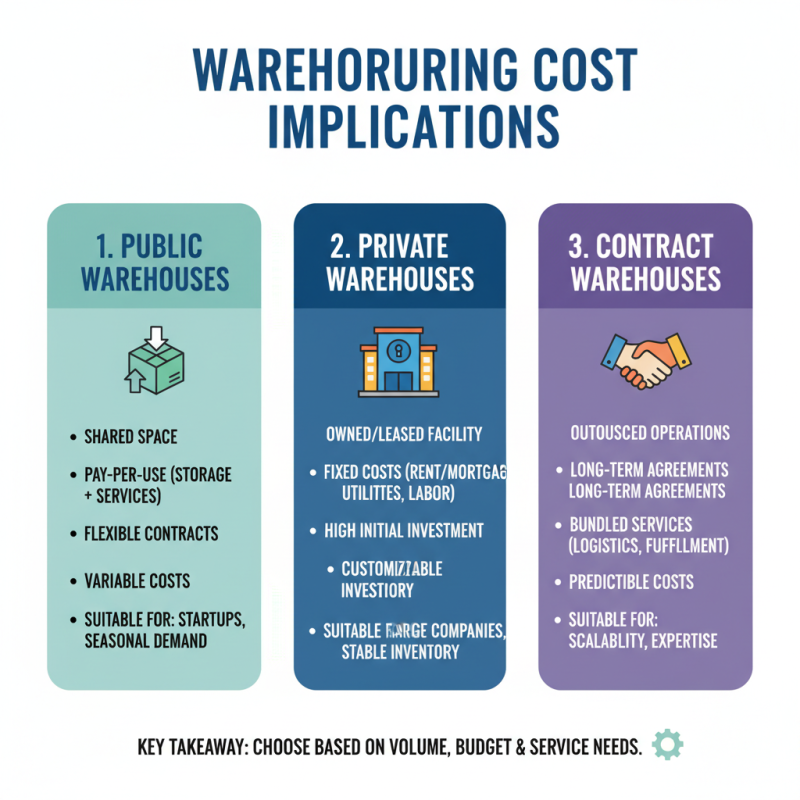
Analyzing Cost Implications of Various Warehousing Facilities
Choosing the right warehouse can significantly impact your business’s bottom line. Cost implications often guide this decision. Different warehousing facilities come with unique price structures. Some offer basic storage solutions, while others provide extensive value-added services. Understanding these differences is crucial for optimizing costs.
Consider factors like location and size. A facility in a prime location might have higher rent but could save on transportation costs. Analyze how often you need to access inventory. Frequent access may justify the expense of a geographically convenient warehouse. On the other hand, consider the scale of your operations. Small businesses might benefit from smaller, cheaper facilities, while larger operations may require more expansive spaces despite higher costs.
Don’t overlook additional fees. Some warehouses charge for utilities, security, or maintenance. These can add up quickly. Evaluating the total cost of ownership is essential. Sometimes, a low initial price may hide hidden expenses. Take the time to reflect on these factors before making a decision.
Assessing Technological Capabilities of Potential Warehouses
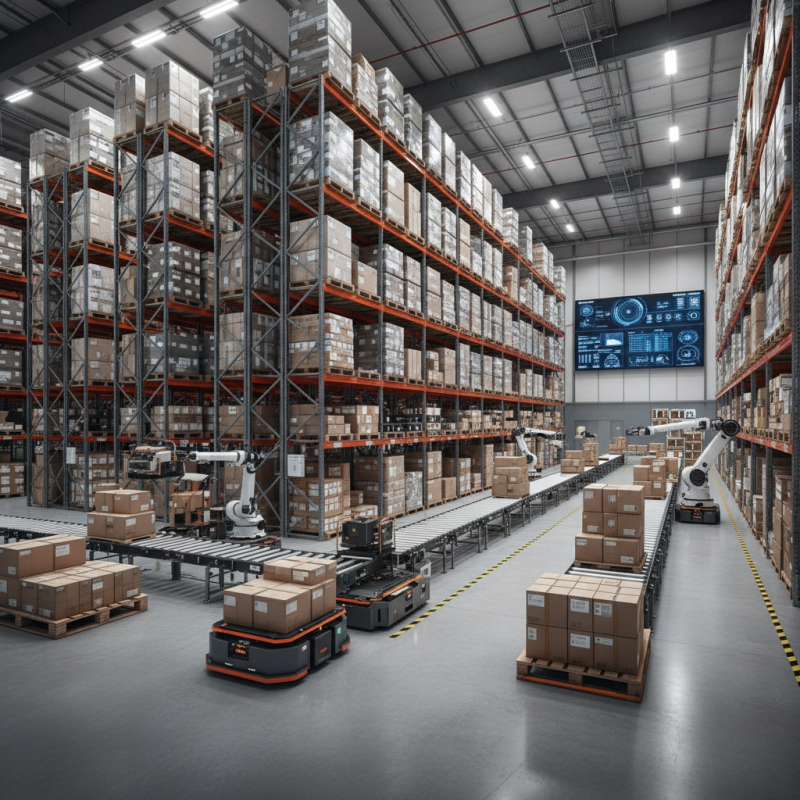
When selecting a warehouse for your business, understanding the technological capabilities is crucial. A report by Gartner indicates that 70% of logistics executives prioritize technology investments in their warehouse operations. This is largely due to the increasing demand for efficiency and speed in supply chain management.
Modern warehouses need to integrate advanced technologies. Automation, such as robotic picking systems, can increase accuracy and save time. According to a study by McKinsey, companies that adopt automation can reduce labor costs by up to 30%. However, the initial investment can be considerable, leading some businesses to hesitate.
Data-driven decision-making tools also enhance inventory management. For instance, predictive analytics can help warehouse operators forecast demand more accurately. However, many firms struggle with integrating these technologies due to a lack of skilled personnel. Evaluating not just the tech, but the support and training available is essential. Choosing a warehouse involves more than just technology; it requires careful consideration of how these tools fit into your overall operation.
Reviewing Customer Service and Support from Warehousing Providers
When selecting a warehousing provider, customer service is crucial. A recent industry study highlighted that 70% of businesses prioritize customer support when choosing a warehouse. Effective communication is essential. Timely responses can prevent operational delays. Moreover, the quality of service can impact overall efficiency.
Support options vary widely among providers. Some offer 24/7 availability, while others have limited hours. A survey indicated that 65% of businesses felt underserved due to inadequate support channels. Understanding your needs is vital. If your operations run outside standard hours, prioritize companies that offer round-the-clock assistance.
Reliability of service is equally important. Data shows that 30% of logistics issues arise from poor communication. It is crucial to assess the provider's track record in handling customer inquiries. Regular feedback from clients can provide insights. Ensure you review case studies or testimonials before making a commitment. This reflection can reveal potential service gaps and help align your business requirements with the right warehouse partner.

 +8618862309186
 CONTACT NUMBER
 CONTACT NUMBER
 CONTACT NUMBER