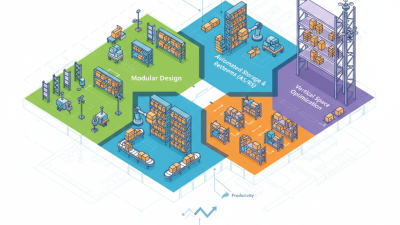
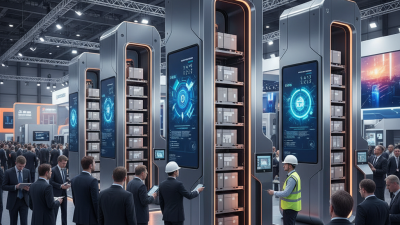
What is Vertical Carousel Modules for Efficient Storage Solutions?
In today’s fast-paced industrial landscape, businesses seek innovative storage solutions to enhance efficiency. Vertical Carousel Modules are transforming how warehouses and distribution centers manage space. According to a report by the Warehouse Equipment Manufacturers Association, the global market for automated storage solutions is expected to reach $10 billion by 2026. This growth underlines the demand for effective storage options like Vertical Carousel Modules.
These systems maximize vertical space, allowing companies to store more in less footprint. A well-designed Vertical Carousel Module can improve picking speeds by up to 50%, boosting overall productivity. However, businesses must carefully consider their specific needs. Selecting the right module requires understanding load capacities and retrieval times.
While these solutions offer many advantages, they are not a one-size-fits-all answer. Some companies may find initial implementation costs daunting. Regular maintenance is also necessary to ensure the systems function optimally. Therefore, evaluating this strategy is crucial for informed decision-making.
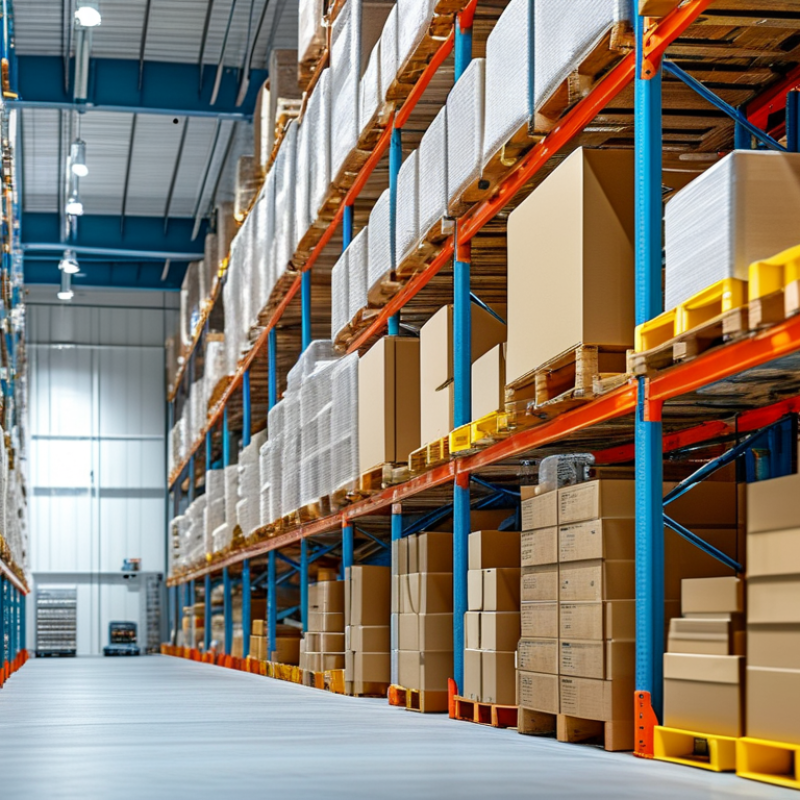
What is a Vertical Carousel Module?
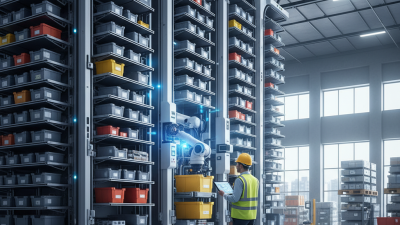
A vertical carousel module is a highly efficient storage solution. It reorganizes inventory and maximizes vertical space in warehouses. With a rotating mechanism, items are delivered to the operator, reducing retrieval times. Research shows these systems can boost picking efficiency by 40%. This is critical in today’s fast-paced environment.
These modules adapt to various product sizes. They can store bins, boxes, and even tools. Their versatility makes them ideal for manufacturing and retail sectors. A recent report indicated that vertical carousels also reduce footprint by 66%. This space-saving feature is crucial for urban warehouses.
Despite their benefits, some businesses hesitate to adopt them. Initial costs and maintenance can be barriers. Organizations must evaluate their needs before investing. Balancing cost against long-term gains is essential. Making informed decisions can prevent wasted resources. Emphasis on proper training is vital for effective use. A well-prepared workforce can maximize system advantages.
Key Components of Vertical Carousel Systems
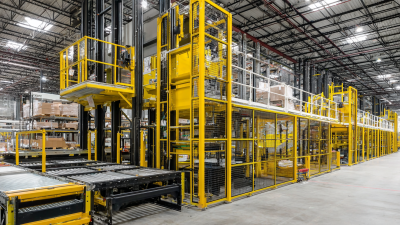
Vertical carousel systems play a crucial role in modern storage solutions. At their core, these systems consist of key components that enhance efficiency. The primary elements include rotating carousels, shelving, and control systems. The carousels rotate vertically, allowing for compact storage and efficient retrieval. According to a recent industry report, businesses employing vertical carousels can reduce storage space by up to 75%. This is significant for operations facing space constraints.
A reliable control system is essential. It manages the movement of items within the carousel, ensuring accuracy and speed. Many systems use computerized controls, which provide real-time inventory tracking. Studies indicate that these systems can improve picking accuracy and speed by over 30%. However, not all implementations are flawless. Businesses must consider integration challenges with existing setups. This reflection can lead to unexpected downtime or increased training for staff.
In addition to the mechanical components, the choice of shelving also impacts system efficiency. Different materials and designs can accommodate various item types, from small parts to larger equipment. The complexity of item characteristics necessitates that businesses evaluate their inventory needs carefully. A well-designed vertical carousel requires initial investment but can yield significant long-term savings in labor and storage costs. Careful planning is key to maximizing these benefits.
Advantages of Using Vertical Carousels for Storage
Vertical carousel modules are transforming the storage landscape. These systems utilize vertical space efficiently, minimizing the floor space needed for storage. As a result, businesses can store more in less area. Studies reveal that vertical carousels can improve picking times by up to 60%. This efficiency leads to significant cost savings.
One major advantage of vertical carousels is inventory management. They reduce the chances of errors during retrieval. Reports indicate that accurate inventory control can improve throughput by 30%. These systems also enhance employee ergonomics, allowing workers to avoid unnecessary bending and reaching, which reduces fatigue. However, relying solely on these systems might create over-dependence on technology.
Cost-effectiveness is another key benefit. Vertical carousels are generally less expensive to operate than traditional shelving systems. They also reduce labor costs by streamlining the picking process. But, not every operation needs a vertical carousel. Some industries may find them too specialized. Conducting a proper needs assessment is crucial before investing.
Applications of Vertical Carousel Modules in Various Industries
Vertical Carousel Modules offer innovative solutions for efficient storage across various industries. In warehousing, they enhance picking accuracy and reduce retrieval times. According to a report from the Warehouse Education and Research Council (WERC), using vertical carousels can increase picking efficiency by up to 50%. This technology is especially beneficial in spaces where every square foot counts. Companies can maximize vertical space while organizing inventory for easy access.
In the healthcare sector, vertical carousels boost efficiency by streamlining medication storage. A study by the Institute for Healthcare Improvement (IHI) noted that facilities using automated storage see a 38% reduction in picking errors. The technology helps maintain strict inventory control and ensures compliance with safety regulations. This reduces waste and improves patient care.
Tips: Consider your facility's specific layout before investing. Analyze how much space you can reclaim with this technology. Regularly review storage practices to adapt to changing inventory needs. Finding the perfect balance can be challenging but rewarding in the long run.
Factors to Consider When Implementing Vertical Carousel Solutions
When considering the implementation of vertical carousel solutions, several factors come into play. Efficiency is paramount. Assessing the available space is vital. The height and width of your facility will dictate the size of the carousel. Think about the location as well. Accessibility should be prioritized to ensure smooth operations.
Another factor involves the products you intend to store. Different items require various storage conditions. The weight and dimensions of each product determine the carousel's design. Will it be able to handle heavier loads? If not, adjustments may be necessary. Flexibility in configuration is essential, providing adaptability to changing inventory needs.
User training is also crucial. Employees must understand how to operate the system efficiently. A user-friendly interface can greatly enhance productivity. Regular maintenance is needed, too. Scheduling routine checks ensures the system runs smoothly. It's easy to overlook these details amidst busy operations, but they are necessary for long-term success.

 +8618862309186
 CONTACT NUMBER
 CONTACT NUMBER
 CONTACT NUMBER