What is Whs Warehouse and Why is it Essential for Global Buyers?
In today's fast-paced global economy, efficient logistics are crucial for international trade. The Whs Warehouse plays a pivotal role in this system. Noted logistics expert Dr. Martin Lin emphasizes this by stating, "A well-organized Whs Warehouse is the backbone for any global buyer." This highlights the importance of effective warehousing.
A Whs Warehouse ensures that goods are stored, managed, and distributed efficiently. With the rise of e-commerce, the demand for such warehouses has surged. They offer strategic advantages, such as reduced shipping times and cost efficiency. This is vital for global buyers looking to maintain a competitive edge. However, not all warehouses meet the necessary standards. It is essential to assess their operational processes continuously.
While many businesses rely on Whs Warehouses, some overlook crucial factors. Inefficiencies can lead to delays and increased costs. It’s important to regularly evaluate how these facilities are managed. Improvements can often be made by analyzing key performance indicators. Establishing solid partnerships and adopting advanced technologies can make a significant difference in overall operations.
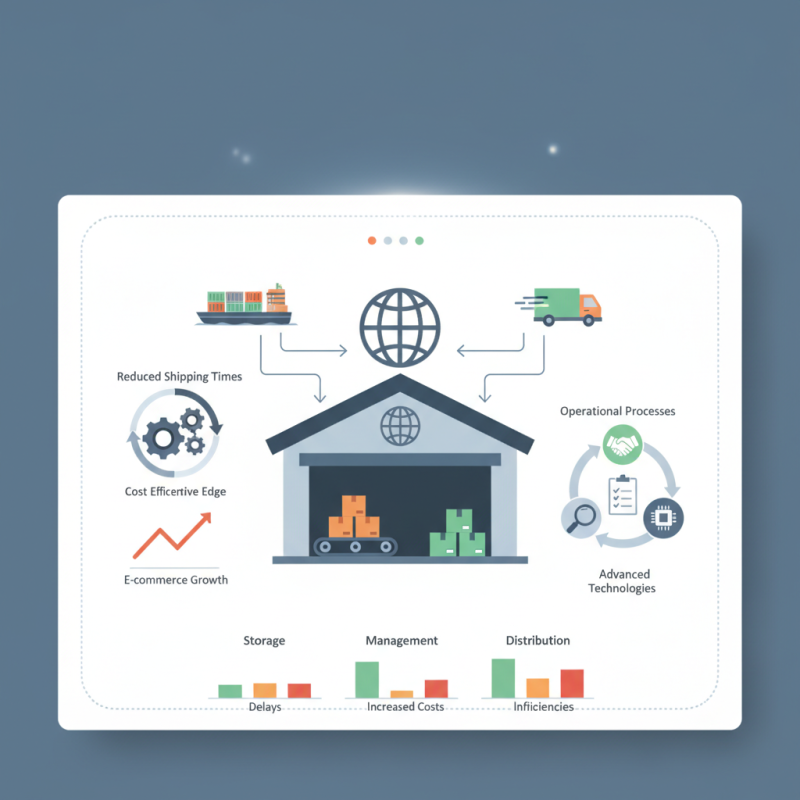
What is a WHS Warehouse and Its Functions in Supply Chain Management
A WHS warehouse, or Warehouse Management System warehouse, plays a vital role in supply chain management. It enhances efficiency by automating inventory tracking, order fulfillment, and shipping processes. The global warehouse management systems market is projected to reach $6 billion by 2027, highlighting the importance of efficient warehousing for global buyers. With automation, human error is minimized, and accuracy in stock levels improves significantly.
Warehouse management systems enable real-time inventory monitoring. This helps prevent stockouts and overstock situations. According to a recent study, companies that implement a WHS warehouse report an average of 25% reduction in inventory holding costs. An effective WHS system integrates seamlessly with other supply chain tools, facilitating better communication and coordination among suppliers and buyers.
Tip: To maximize the benefits of a WHS warehouse, prioritize training for staff. Skilled employees can optimize system usage. Additionally, regular audits of inventory processes can reveal inefficiencies needing attention. Sometimes, even minor adjustments can lead to significant savings and improved service levels.
WHS Warehouse Functions Impact on Global Supply Chain Efficiency
This chart illustrates the various functions of WHS warehouses and their impact on supply chain efficiency, showcasing the importance of each function for global buyers.
Key Features of WHS Warehouses Beneficial for Global Buyers
WHS warehouses play a crucial role in the logistics of global buyers. These facilities are specifically designed to improve the efficiency of supply chains. With their strategic locations, WHS warehouses make it easier to reach various markets quickly. This reduces shipping times and overall costs.
One of the key features of WHS warehouses is their advanced technology integration. Automated systems track inventory in real-time. This ensures that stock levels are always accurate. Such accuracy helps in reducing errors during order fulfillment. Additionally, flexible storage solutions cater to various product types, allowing for diversified inventory management.
Another benefit is the enhanced security measures in place. WHS warehouses often have state-of-the-art surveillance systems. These help protect valuable goods from theft or damage. However, it’s important to recognize that not all warehouses provide the same level of security. Buyers should conduct thorough research before partnering with a specific warehouse. This aspect can make a significant difference in overall satisfaction and efficiency.
The Role of Technology in Enhancing WHS Warehouse Operations
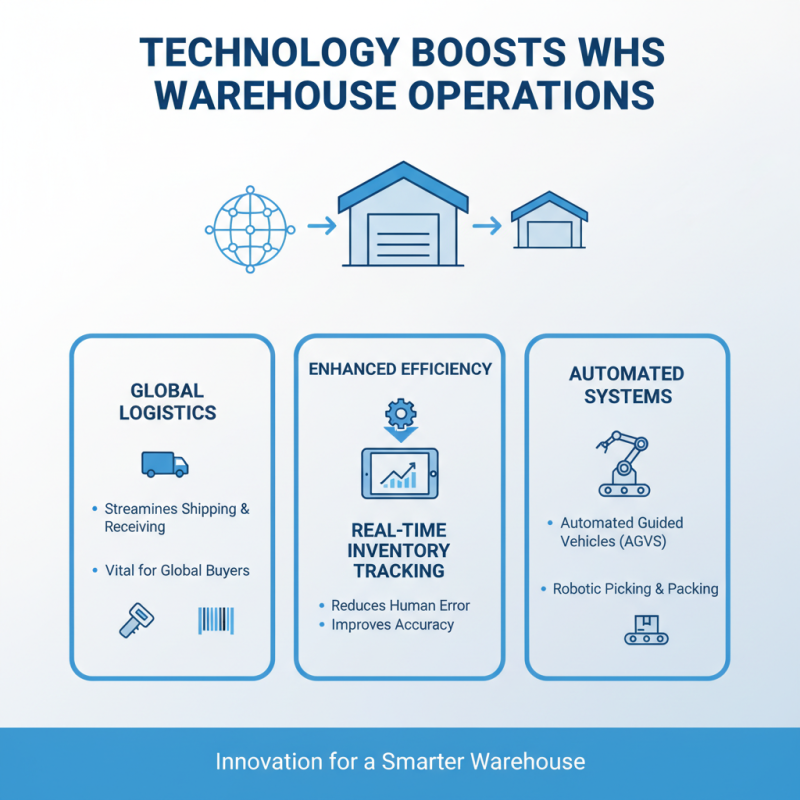
In today's dynamic marketplace, WHS warehouses are vital for global buyers. They streamline logistics, improving efficiency in shipping and receiving. Technology plays a crucial role in enhancing these operations. Automated systems help track inventory in real-time. This reduces human error and improves accuracy.
Tips: Regularly audit your technology to ensure it meets current needs. Outdated systems can slow down operations.
Additionally, data analytics offers insights into consumer behavior. Understanding patterns can help businesses optimize stock levels. This minimizes excess inventory, saving costs. However, relying too heavily on data can overshadow human intuition. A balance between technology and personal insights is essential.
Tips: Encourage teams to discuss findings from analytics. Collaborative dialogue can lead to better decision-making.
Investing in advanced warehousing technology can seem daunting. However, gradual implementation can ease the transition. Experiment with new tools in small areas before expanding. Ensuring your team is trained properly can enhance the overall effectiveness. A technology-driven approach can support your operations but requires careful consideration.
How WHS Warehouses Facilitate Cost-Effective Global Trade
WHS warehouses play a pivotal role in global trade by streamlining logistics and reducing costs. According to a recent industry report, businesses using WHS warehouses save up to 20% on shipping costs. These warehouses act as strategic hubs, enabling quicker access to international markets. They simplify the supply chain by providing local storage options closer to buyers.
Effective inventory management is a key feature of WHS warehouses. This approach minimizes excess stock and reduces storage fees. A study by Logistics Management shows that having localized warehouses can reduce lead time by 30%. Such efficiency allows companies to respond faster to market demands, ultimately boosting customer satisfaction.
Tip: Optimize your inventory levels. Regularly analyze sales data to reduce unnecessary stock, reducing warehousing costs.
However, not all WHS warehouses are created equal. It's vital to choose facilities that meet industry standards and focus on security. Insufficiently managed warehouses can lead to inventory losses or delays. Researching potential partners is essential to ensure reliability.
Tip: Conduct regular audits of your supply chain. Identify vulnerabilities in your warehousing process to maintain efficiency and reliability.
What is Whs Warehouse and Why is it Essential for Global Buyers? - How WHS Warehouses Facilitate Cost-Effective Global Trade
| Dimension |
Description |
Benefit |
Impact on Global Trade |
| Cost Efficiency |
Reduction in shipping and handling costs due to optimized operations. |
Lower overall expenses for global buyers. |
Encourages more international trade transactions. |
| Inventory Management |
Advanced systems for tracking and managing inventory effectively. |
Improved stock availability and reduced excess inventory. |
Enhances supply chain efficiency across borders. |
| Scalability |
Ability to increase storage capacity as demand grows. |
Flexibility for companies to adjust to market needs. |
Supports rapid growth in global markets. |
| Technology Integration |
Use of automation and data analytics for processing. |
Increased operational efficiency. |
Drives innovation in supply chain practices. |
| Customer Service |
Enhanced customer support and response time. |
Boosts customer satisfaction and loyalty. |
Strengthens relationships in global markets. |

 +8618862309186
 CONTACT NUMBER
 CONTACT NUMBER
 CONTACT NUMBER