Discover the Best WMS System Software for Global Procurement?
In today's fast-paced global marketplace, efficient procurement is vital. Companies face many challenges, from managing suppliers to tracking inventory. A reliable WMS system software can significantly streamline these processes. It improves accuracy, reduces costs, and enhances overall efficiency.
Selecting the best WMS system software is crucial for businesses of all sizes. Many options are available, making the choice overwhelming. Each software offers distinct features, and the right solution depends on your specific needs. Understanding these nuances can take time and effort, but it's essential for informed decision-making.
The value of a robust WMS system software extends beyond simple inventory management. It provides insights into supply chain performance and facilitates better coordination among teams. However, users must remain vigilant to adapt to frequent updates and industry changes. Balancing technology with human oversight is key to maximizing results.

Understanding WMS Systems: Key Features and Benefits
Warehouse Management Systems (WMS) are essential for modern global procurement. These systems streamline operations, optimize inventory, and enhance supply chain visibility. According to a recent report by Logistics Management, companies using WMS see up to a 25% increase in operational efficiency. These improvements often arise from better stock control and reduced lead times.
Key features of a robust WMS include real-time inventory tracking and automated order processing. Real-time data helps in making informed decisions quickly. As highlighted in a 2022 Supply Chain Insights report, nearly 80% of organizations that implemented WMS observed fewer stock-outs and excess inventory. This not only saves costs but also boosts customer satisfaction.
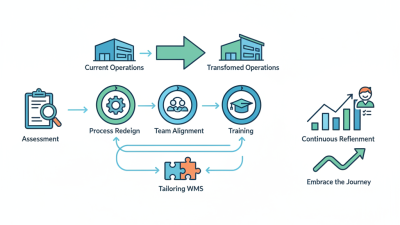
However, implementing a WMS is not without challenges. Integration with existing systems can be complex. Training staff on new processes is vital yet often overlooked. Companies must address these issues to fully leverage the benefits of WMS technology. The potential for improved procurement practices is significant, yet the journey requires careful planning and ongoing evaluation.
Warehouse Management System (WMS) Usage in Global Procurement
The Role of WMS in Global Procurement Efficiency
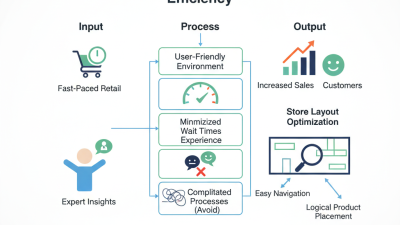
In today’s global marketplace, the efficiency of procurement processes is vital. A comprehensive Warehouse Management System (WMS) can significantly enhance procurement operations. By automating inventory management, it reduces human error and accelerates order fulfillment. This streamlining allows businesses to respond quickly to market demands. A responsive WMS saves time and resources, making it an asset for global procurement.
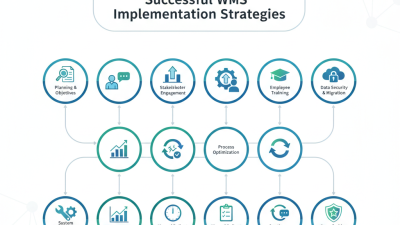
Tips for Implementing a WMS:
- Evaluate your current processes. Identify bottlenecks and areas for improvement.
- Ensure staff training. A well-trained team can maximize the benefits of the WMS.
- Monitor performance metrics regularly. Adjust strategies based on data to improve efficiency.
The flow of goods relies heavily on effective warehousing. A WMS facilitates better tracking of inventory locations and stock levels. This visibility helps in making informed purchasing decisions. However, challenges exist. Poor integration with existing systems can lead to confusion and delays. Continuous assessment and adaptation are necessary to overcome these hurdles and enhance procurement efficiency. Embracing technology is crucial, but businesses must also stay vigilant against potential pitfalls.
Market Trends: WMS Software Adoption Statistics and Insights
Warehouse Management System (WMS) software is becoming essential for global procurement. Recent statistics reveal a significant rise in WMS adoption rates. Many companies are recognizing the benefits of streamlined operations. This trend is driven by the need for efficiency and accuracy.
A survey indicated that over 60% of businesses now utilize some form of WMS. These systems help manage inventory and optimize supply chain processes. Organizations report reduced errors and improved tracking capabilities. However, not all implementations go smoothly. Some firms struggle with system integration and user training. These challenges can hinder full utilization of WMS features.
Moreover, market insights show varying levels of satisfaction among users. While many appreciate enhanced visibility, others express concerns over cost and complexity. The ongoing evolution of WMS solutions reflects the dynamic landscape of global procurement. Continuous improvements are necessary for companies to stay competitive. Decision-makers must weigh the pros and cons carefully to make informed choices.
Comparative Analysis: Top WMS Solutions for International Supply Chains
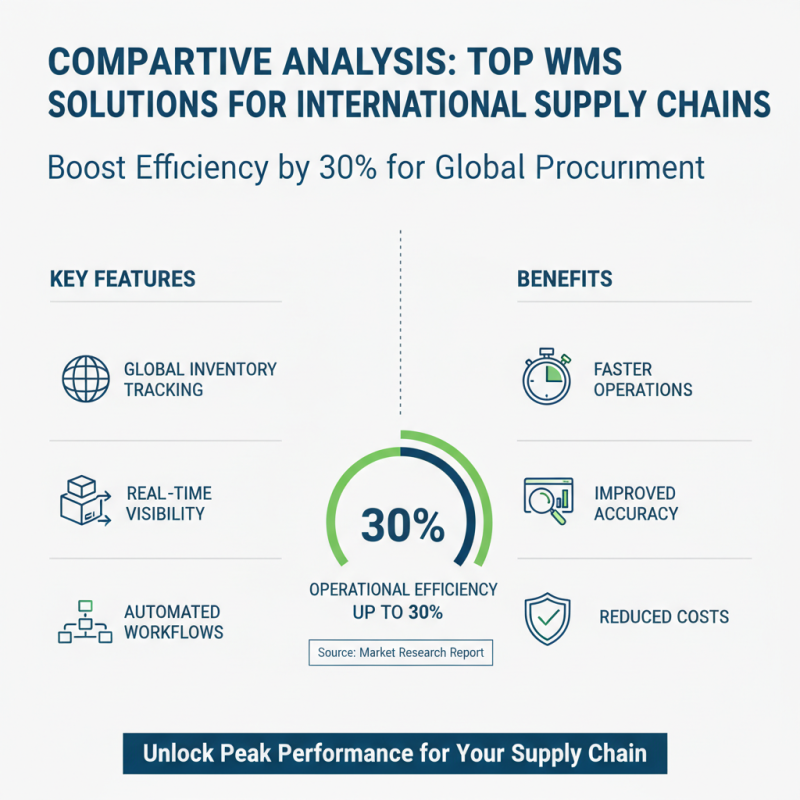
In the world of international supply chains, selecting the right Warehouse Management System (WMS) is crucial. A comprehensive comparative analysis reveals key features that drive efficiency. According to a recent market research report, organizations that implement advanced WMS solutions can enhance their operational efficiency by up to 30%. This is vital for global procurement processes, where every second counts.
One important aspect is real-time inventory tracking. Solutions that provide up-to-the-minute data can significantly minimize stock discrepancies. Data from the Logistics Management industry shows that improper inventory management can lead to losses of nearly 20% in profitability. Additionally, user-friendly interfaces are essential. If a WMS is too complex, staff may struggle with adoption. A significant percentage of users report that cumbersome systems hinder productivity.
Moreover, flexibility in logistics is becoming a priority. A recent survey indicated that 70% of supply chain professionals prioritize a WMS that can adapt to shifting market demands. However, concerns remain about data security and compatibility with existing systems. Choosing a WMS that balances these factors while remaining reliable is challenging. As the supply chain landscape evolves, companies must weigh their options carefully and seek continual improvement.
Cost-Benefit Analysis of Implementing WMS in Global Procurement
Implementing a Warehouse Management System (WMS) in global procurement can be a game-changer. However, it’s essential to conduct a thorough cost-benefit analysis before moving forward. Many organizations overlook hidden costs. Training personnel, integration with existing systems, and ongoing maintenance can quickly add up. These expenses need careful consideration against the potential benefits.
A well-implemented WMS can streamline operations significantly. It can reduce errors, improve inventory accuracy, and enhance order fulfillment speed. These improvements often lead to higher customer satisfaction. However, immediate gains might not be apparent. Companies may need time to adapt to new processes. The transition phase can cause disruptions, which may affect short-term productivity.
Consider identifying specific metrics to measure success over time. For instance, tracking inventory turnover rates and order processing times can provide insights. Such metrics help in understanding the true impact of the WMS. Not every organization will fully realize the expected benefits. Hence, ongoing evaluation is vital.

 +8618862309186
 CONTACT NUMBER
 CONTACT NUMBER
 CONTACT NUMBER