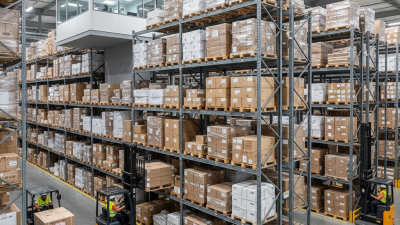
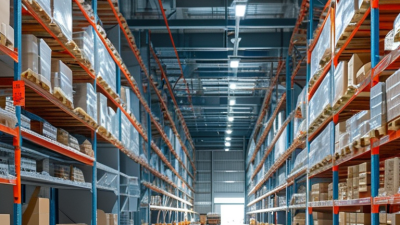
How to Optimize Pallet Space for Efficient Warehouse Storage?
In today's fast-paced logistics industry, optimizing pallet space is crucial for efficient warehouse storage. According to warehouse efficiency expert John Smith, "Maximizing pallet space leads to improved operational efficiency and reduced costs." His insight echoes a common challenge faced by many businesses—how to make the most of limited storage areas.
Effective management of pallet space goes beyond just stacking pallets higher. It involves strategic planning and organization. For instance, using vertical racking systems can greatly increase storage capacity. Implementing a well-designed layout can minimize wasted space. However, achieving this balance requires careful attention to detail and constant adjustment.
Often, companies overlook the importance of regular assessments in their storage processes. Addressing this gap can help identify areas for improvement. Real data and observations are crucial to reflect on current systems. Small changes can yield significant benefits. Companies must be open to revising their strategies. In the quest for efficiency, the journey towards optimizing pallet space is ongoing and multifaceted.
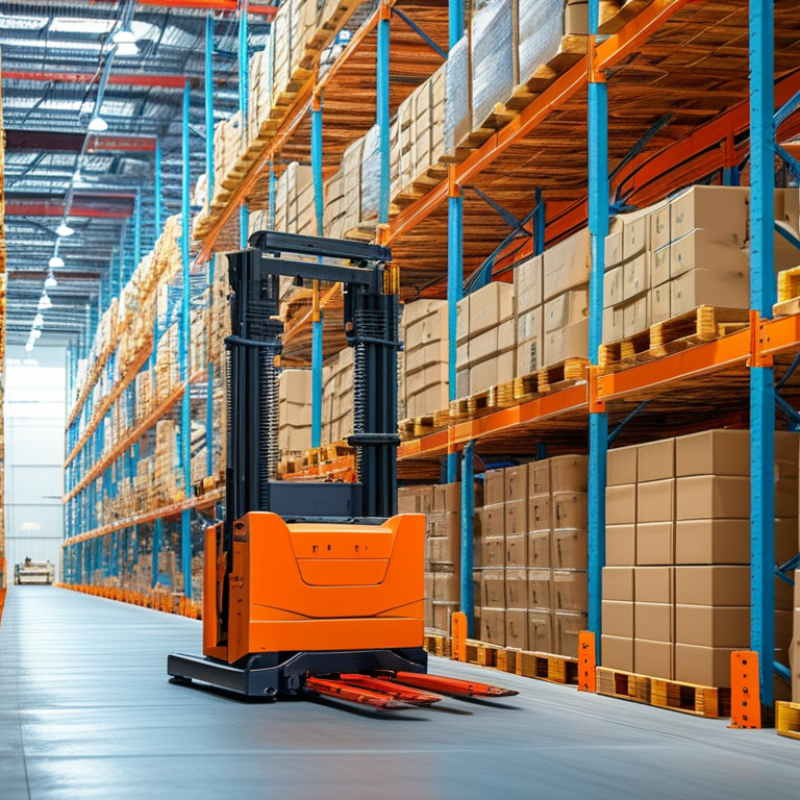
Understanding Pallet Dimensions and Weight Capacity for Storage Optimization
When optimizing pallet space in your warehouse, understanding pallet dimensions and weight capacity is crucial. Standard pallets typically measure 48 by 40 inches and can support a weight limit of up to 2,500 pounds. However, these dimensions can vary based on the manufacturer and region, affecting storage decisions. Knowing these variations helps you utilize vertical space and avoid overloading pallets.
One important tip is to regularly measure your pallets and compare them against your inventory. This ensures that you make the most out of your available space. If your pallets are too large or small, you may need to rethink your storage layout. Consider implementing a color-coding system for different sizes. This small step can streamline your inventory management.
Moreover, always keep weight limits in mind. Overloaded pallets can cause safety hazards and damage goods. Monitor weight distribution for optimal stability. Inadequate weight distribution may lead to tipping, creating more challenges. Use scales to measure weight before stacking, and ensure compliance with safety regulations. Regular training for staff on these aspects can significantly enhance warehouse efficiency.
Analyzing Warehouse Layout for Maximum Space Utilization
Analyzing warehouse layout is critical for maximizing space utilization. An efficient layout maximizes storage while minimizing movement. A well-thought-out design allows workers to navigate freely. This can reduce time spent searching for items. It also enhances productivity.
Consider various rack configurations. Narrow aisle racks can increase storage density. However, they require specific equipment for access. Balancing storage needs with accessibility is crucial. Evaluate your layout regularly to identify bottlenecks. Analyzing product flow can uncover inefficiencies.
Think about vertical space, too. Utilizing taller racks can significantly boost capacity. Yet, this approach may complicate inventory management. Implementing solutions like mezzanine floors can also help, but they come with challenges. Regular assessments of your layout will ensure it evolves with your warehouse needs. The goal is to increase efficiency while maintaining safety and ease of access.
How to Optimize Pallet Space for Efficient Warehouse Storage?
| Section |
Total Area (sq ft) |
Pallet Storage Area (sq ft) |
Number of Pallets |
Utilization Rate (%) |
| Receiving |
2000 |
1500 |
75 |
75% |
| Storage |
5000 |
4000 |
300 |
80% |
| Packing |
1500 |
1000 |
50 |
67% |
| Shipping |
2500 |
2000 |
100 |
80% |
| Returns |
1000 |
800 |
40 |
80% |
Implementing Vertical Storage Solutions in Warehouse Settings
Implementing vertical storage solutions in a warehouse setting can significantly enhance space utilization. Studies indicate that utilizing vertical storage can increase warehouse capacity by up to 50%. This approach enables businesses to maximize cubic space, leading to more efficient inventory management. By adopting shelving systems or pallet racking that reach higher levels, warehouses can store more goods without expanding their footprint.
In addition, vertical storage can streamline picking processes. For example, warehouses using high-density storage solutions report faster order fulfillment times. A report from the Warehouse Education and Research Council shows that optimized vertical storage can reduce the time spent on picking by 15%. However, many warehouses struggle with safety and access concerns. It's crucial to implement appropriate safety measures, such as proper training for staff and using equipment designed for handling heights.
While vertical storage offers substantial benefits, it requires careful planning and evaluation. Not all products suit high stacking, leading to potential overstock issues. It's essential to analyze item turnover rates and the size of goods stored. This helps in creating tailored solutions that ensure efficiency while maintaining safety. Balancing space optimization with operational realities can lead to better long-term strategies in warehouse management.
Strategies for Organizing Pallets to Enhance Accessibility and Efficiency
Organizing pallets effectively can greatly enhance accessibility and efficiency in any warehouse. A common challenge is the use of vertical space.
Stacking pallets too high may lead to accessibility issues and safety concerns. Aim for a height that allows easy retrieval and inspection. Consider using adjustable racking systems to maximize storage while keeping safety in mind.
Another key strategy involves grouping similar products together. This reduces the time spent searching for items. Clear labeling is vital here. Use labels with large fonts and distinct colors to facilitate quick identification. Regular inventory checks can prevent stock discrepancies, allowing for a smoother workflow.
Pallet layout should also reflect the frequency of access. Place high-turnover items near the loading dock. This minimizes movement and increases picking speed. Evaluate your layout regularly to identify areas for improvement. Creating a well-organized space is a continuous process, requiring periodic reflection on methods used. Experimenting with different arrangements can lead to unexpected efficiencies.
Utilizing Inventory Management Systems for Better Space Management
Efficient space management in warehouses can significantly enhance operations. Utilizing an inventory management system is essential for optimizing pallet space. These systems track inventory levels in real time. They help in understanding which items move fast. This data allows for smarter placement of products on pallets. Effective organization can minimize wasted space and improve accessibility.
Many warehouses struggle with inefficient layouts. Items may not be in the best locations. An inventory system can identify these issues. It enables managers to rearrange pallets based on demand trends. For example, frequently picked items should be placed at the front. This saves time and reduces order fulfillment costs.
However, not all systems are perfect. Some may lack user-friendly features. Training employees to use these systems can be challenging. Continuous evaluation and feedback are crucial. This honest reflection allows for better precision in managing pallet space. Effective use of technology can lead to significant improvements in warehouse efficiency.

 +8618862309186
 CONTACT NUMBER
 CONTACT NUMBER
 CONTACT NUMBER