Top Tips for Choosing the Best WMS System Software?
Choosing the right WMS system software is critical for businesses today. In a logistics landscape where efficiency drives success, a substantial 75% of companies report improved operations after implementing a robust WMS. However, not all solutions are created equal. Understanding specific needs is essential to avoid costly mistakes.
Research from industry leaders indicates that the wrong WMS can lead to inventory inaccuracies and delayed shipments. A staggering 83% of organizations that switch systems experience challenges during the transition. This highlights the importance of careful consideration. Features such as real-time tracking and scalability should be weighed heavily in the selection process.
Evaluating different options requires a strategic approach. Stakeholder input, budget constraints, and long-term goals are crucial factors. With the increasing complexity of supply chains, choosing the best WMS system software can significantly impact overall performance. Balancing innovation with proven solutions might not be easy, but it's a necessary challenge for any enterprise aiming to thrive.

Understanding Warehouse Management Systems (WMS) and Their Importance
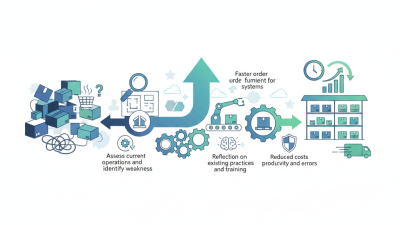
Warehouse Management Systems (WMS) play a vital role in optimizing logistics and inventory management. Their importance lies in enhancing operational efficiency and reducing errors. A robust WMS can streamline processes and provide real-time data, allowing businesses to adapt quickly. Choosing the best system for your warehouse will significantly affect your productivity and customer satisfaction.
When selecting a WMS, consider the scalability of the software. Your business might grow, and your software should accommodate that growth. Look for systems that can expand features or capabilities as required. Pay attention to integration possibilities as well. The system should seamlessly work with existing programs, like ERP and transportation management systems. This reduces disruptions and enhances data accuracy.
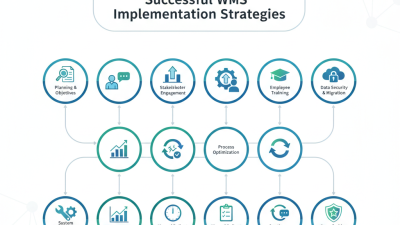
User experience is another key factor. The software interface should be intuitive for your staff. Training new employees should be straightforward. Consider requesting demos or trials to observe usability in real scenarios. Always think about the potential challenges that may arise during implementation. It's crucial to have support for troubleshooting and system maintenance. Efficient communication during transitions can lead to smoother operations.
Key Features to Look for in a WMS Software Solution
Selecting the right WMS (Warehouse Management System) software is crucial for optimal warehouse efficiency. When evaluating options, consider key features that can significantly impact operations. Flexibility is essential; the chosen system should adapt to your specific needs. According to a report by Gartner, 75% of warehouses experience a significant boost in efficiency when using customizable WMS solutions.
Integration capabilities also matter. A well-rounded WMS should seamlessly connect with your existing ERP and supply chain solutions. Studies show that 60% of companies achieving high integration levels report enhanced data accuracy and reduced operational glitches. Assessing these features in detail can help prevent costly misalignments.
Another important aspect is real-time inventory tracking. Modern WMS software offers advanced tracking through various technologies like RFID and barcoding. This level of visibility reduces errors and improves decision-making. Research indicates that companies leveraging real-time data see a 20-30% increase in inventory accuracy. However, successful implementation requires ongoing training and adaptation. A significant portion of businesses struggles with user adoption, highlighting the importance of comprehensive support during the transition.
Evaluating Vendor Reputation and Industry Experience for WMS
When selecting a Warehouse Management System (WMS), vendor reputation is crucial. Researching vendor history helps gauge reliability. Look for reviews from customers in your industry. Positive feedback often indicates consistent performance. Consider how long the vendor has been in business. Longevity can signal stability and a deep understanding of warehouse needs.
Industry experience matters as well. A vendor well-versed in logistics can offer tailored solutions. They understand trends and challenges unique to your sector. Ask about their experience with similar businesses. This can reveal how well they grasp your specific requirements.
Don’t overlook the importance of support and updates. Reliable vendors provide ongoing assistance and regular software enhancements. Their commitment to customer service impacts your operational efficiency. Reflect on this: a less experienced vendor may struggle to address complex issues swiftly. Consider whether you can afford that risk in your operations.
Cost Analysis: Budgeting for WMS Implementation and Maintenance
When budgeting for a Warehouse Management System (WMS), costs can quickly accumulate. Direct expenses may include software licensing fees, which can vary widely. Implementation costs also come into play, encompassing training and any necessary hardware. It’s crucial to allocate funds not just for the initial deployment but also for ongoing maintenance and updates. Regular updates are vital for security and functionality.
Consider hidden costs as well. These might include the time spent on the implementation process and the potential need for additional staff training. It’s common for businesses to overlook the importance of user adaptation. Employees may require support to smoothly transition to the new system. Additionally, the costs of integrating existing systems can add up, affecting your overall budget.
Contingency budgeting can be a smart approach. Unexpected expenses can arise during implementation. Flexibility in your budget allows for smoother adjustments. However, knowing when to cut costs is equally important. Avoid overspending on features that don’t align with your operational needs. Reflecting on these aspects can lead to better decision-making. A well-planned budget ensures that your investment in a WMS drives efficiency and reduces errors in the long run.
Integration Capabilities: Ensuring Compatibility with Existing Systems
Integration capabilities play a crucial role in selecting the right Warehouse Management System (WMS). A robust WMS should seamlessly connect with existing systems, such as ERP and CRM platforms. According to industry reports, around 30% of businesses face integration challenges when implementing new software. Ensuring compatibility with existing infrastructure reduces the risk of operational disruptions.
Consider the following when evaluating integration capabilities. It’s essential the system supports standard APIs and data formats. This flexibility allows smoother data exchange, enhancing efficiency. In addition, a strong WMS facilitates real-time data synchronization. This feature can improve inventory accuracy and order fulfillment rates. The right integration can lead to a 20% increase in operational efficiency, as reported by sector analysts.
It’s important to reflect on potential gaps. Not all WMS solutions offer the same level of integration flexibility. Some may excel in one area but fall short in another. Thoroughly assess your current systems and future needs. Work closely with technical teams to gauge compatibility. A misaligned system can cause delays and frustrations, undermining your operational goals.
Top Tips for Choosing the Best WMS System Software
| Feature |
Description |
Importance Level |
| API Integration |
Ability to connect and communicate with other software systems. |
High |
| Data Import/Export |
Supports importing and exporting data in various formats. |
Medium |
| Cloud Compatibility |
Can operate effectively in a cloud environment. |
High |
| User Interface |
Intuitive and easy-to-navigate interface for users. |
Medium |
| Mobile Access |
Availability of mobile applications for on-the-go management. |
Low |
| Integration with ERP |
Seamless connectivity with existing ERP systems for enhanced data flow. |
High |

 +8618862309186
 CONTACT NUMBER
 CONTACT NUMBER
 CONTACT NUMBER