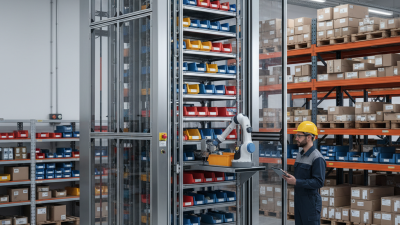
Why Choose a Vertical Lift Carousel for Your Business Needs?
In today's fast-paced business environment, efficiency is paramount. Many companies are exploring innovative solutions for material handling. One such solution is the Vertical Lift Carousel. This system saves space while increasing productivity in warehouses and retail spaces.
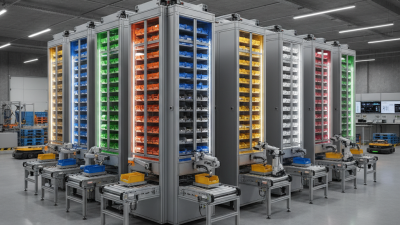
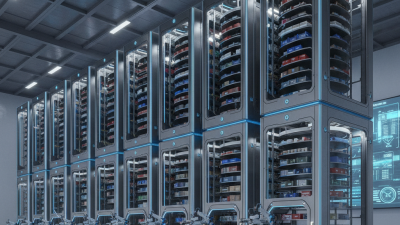
A Vertical Lift Carousel works by utilizing vertical space for storing and retrieving items. This machine consists of an array of carriers that move vertically, automatically delivering items to the operator. As businesses grow, the need for scalable solutions becomes evident. This is where the Vertical Lift Carousel shines. Companies can optimize their storage capacity without expanding physical footprint.
While the benefits are clear, choosing the right system can be overwhelming. Factors such as load capacity, energy efficiency, and maintenance requirements must be considered. Each business has unique needs that require careful evaluation. The Vertical Lift Carousel offers a versatile option, but its implementation demands careful planning and ongoing assessment.
Benefits of Vertical Lift Carousels for Efficient Storage Solutions
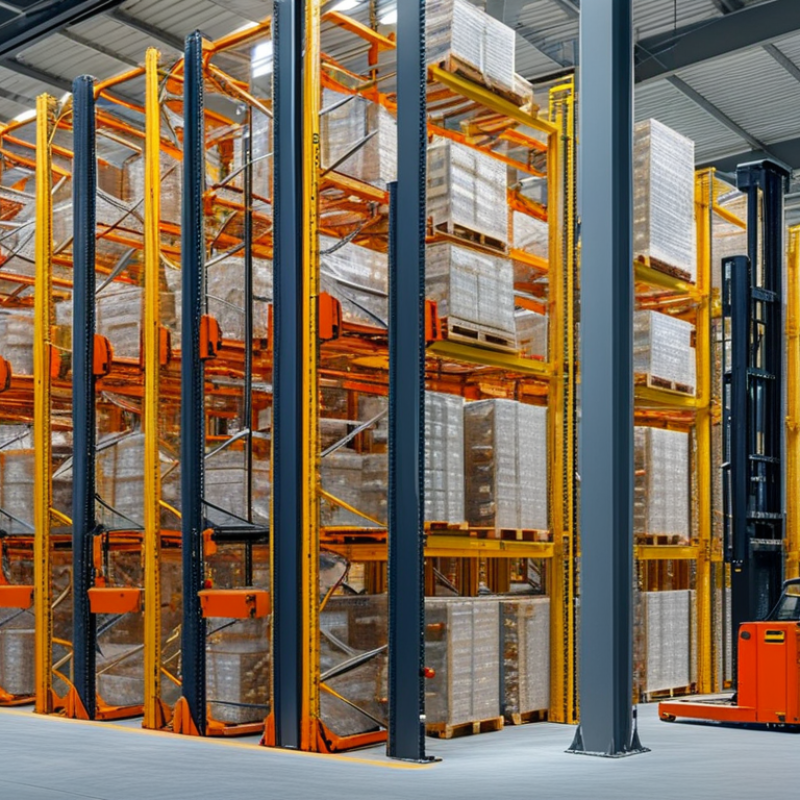
Vertical lift carousels offer businesses a modern solution for storage challenges. These systems use a vertical design to maximize space efficiently. According to recent industry reports, vertical lift carousels can increase storage capacity by up to 60% compared to traditional shelving. This gain is crucial for businesses looking to optimize their warehouse space.
Moreover, they improve picking speed. Studies show that order picking time can be reduced by 30% with these systems. The design places items at an ergonomic height, minimizing the time staff spend bending or reaching. Fast retrieval and improved layout can also reduce errors. However, initial costs may be higher than manual systems. Still, the long-term savings in labor and space utilization justify the investment.
Reliability is another factor. Vertical lift carousels often come with advanced technology that tracks inventory. Real-time updates can prevent stockouts and overstock situations. Yet, businesses must continuously evaluate their systems and processes. Regular maintenance is vital to sustain efficiency. Investing in staff training also ensures optimal usage of these systems. Thus, while vertical lift carousels present clear benefits, they require thoughtful implementation and ongoing analysis.
Why Choose a Vertical Lift Carousel for Your Business Needs? - Benefits of Vertical Lift Carousels for Efficient Storage Solutions
| Feature |
Description |
Benefits |
| Space Efficiency |
Vertical lift carousels utilize vertical space, allowing for more storage in a smaller footprint. |
Maximizes storage capacity and reduces the need for additional floor space. |
| Improved Picking Speed |
The system automatically rotates to deliver items to the operator, speeding up retrieval times. |
Increases productivity and efficiency in order fulfillment. |
| Safety Features |
Includes safety mechanisms to protect users and stored items. |
Reduces workplace accidents and damage to inventory. |
| Inventory Control |
Integrated systems can track inventory levels and provide real-time data. |
Enhances inventory management and reduces stock discrepancies. |
| Customization Options |
Flexible configurations to fit specific storage needs and workflows. |
Tailored solutions that align with business requirements and growth. |
How Vertical Lift Carousels Improve Organization and Accessibility
Vertical lift carousels significantly enhance organization and accessibility in a variety of business environments. These systems efficiently store items in vertically arranged shelves, utilizing overhead space. This design minimizes floor space while maximizing storage capacity. Items are retrieved quickly with a simple push of a button, which reduces search times and allows for smoother operations.
Efficient retrieval is crucial for operations that handle numerous products. With organized vertical storage, employees can easily access items without physically searching through cluttered aisles. The carousel follows the principle of goods-to-person, meaning items are brought directly to the operator. This method improves overall workflow and productivity in warehouses and retail settings.
Implementing a vertical lift carousel does require careful planning and adjustment. Businesses must analyze their inventory needs and employee workflows beforehand. Training staff on new systems can pose challenges, and some employees may resist change. However, overcoming these hurdles can lead to greater efficiency and enhanced organization in the long run. The reflection on such transitions is vital for sustainable growth in operational practices.
Why Choose a Vertical Lift Carousel for Your Business Needs?
This chart illustrates the key benefits of using a Vertical Lift Carousel in various business operations. The data shows how these systems enhance organization, accessibility, efficiency, and space utilization.
Cost-Effectiveness of Implementing Vertical Lift Carousels in Operations
Vertical lift carousels are changing the game for various industries. Businesses are increasingly drawn to these systems for their cost-effectiveness. Not only do they maximize storage space, but they also minimize the time spent on retrieval. This efficiency translates directly into financial savings.
Implementing vertical lift carousels can significantly reduce labor costs. With automated retrieval systems, employees can focus on higher-value tasks. Additionally, they reduce the risk of injury. Working in cramped spaces often leads to accidents. However, a well-designed carousel minimizes exposure to such risks.
Yet, the initial investment can be daunting. Businesses must evaluate their specific needs carefully. It may take time to see a full return on investment. Still, many users report improved workflow and reduced overhead. It’s crucial to analyze operational demands before committing. Each business is unique, and flexibility is essential in this evaluation process. The benefits often outweigh the challenges, but careful consideration is key.
Applications of Vertical Lift Carousels Across Various Industries
Vertical lift carousels serve distinct applications across various industries. These systems optimize storage by utilizing vertical space. In warehouses, they enhance efficiency. According to research, businesses report a 30% increase in picking speed when using these carousels.
In retail, vertical lift carousels streamline inventory management. They allow easy access to products, reducing retrieval times. A study indicates that retail companies using carousels can handle up to 50% more products without expanding their footprint. This is crucial, especially in high-demand environments.
Manufacturers also benefit from these systems. They support just-in-time inventory processes, which many companies rely on today. Data shows that 75% of manufacturers who implement vertical lift systems experience a notable reduction in labor costs. However, realizing these benefits requires an upfront investment and careful planning. It's essential to assess if the benefits align with operational goals.
Key Considerations When Choosing a Vertical Lift Carousel for Your Facility
When evaluating a vertical lift carousel for your facility, consider your specific storage needs. These systems save space while enhancing efficiency. Boxy items? Tall products? A carousel adapts well to various shapes. Assessing dimensions is critical. Measurement errors can lead to costly adjustments later.
Evaluate the load capacity of the carousel. It should handle your heaviest items without strain. Overloading can lead to breakdowns or safety hazards. Think about the frequency of access. High-volume environments may require faster retrievals. A carousel can streamline processes but might require initial training for staff.
Lastly, consider integration with existing systems. Compatibility with software or inventory management tools is vital. A good fit can enhance workflow. Reflect on maintenance needs as well. Regular upkeep ensures longevity. Missing this may incur unforeseen costs. Investing time in these areas pays off in overall performance.

 +8618862309186
 CONTACT NUMBER
 CONTACT NUMBER
 CONTACT NUMBER